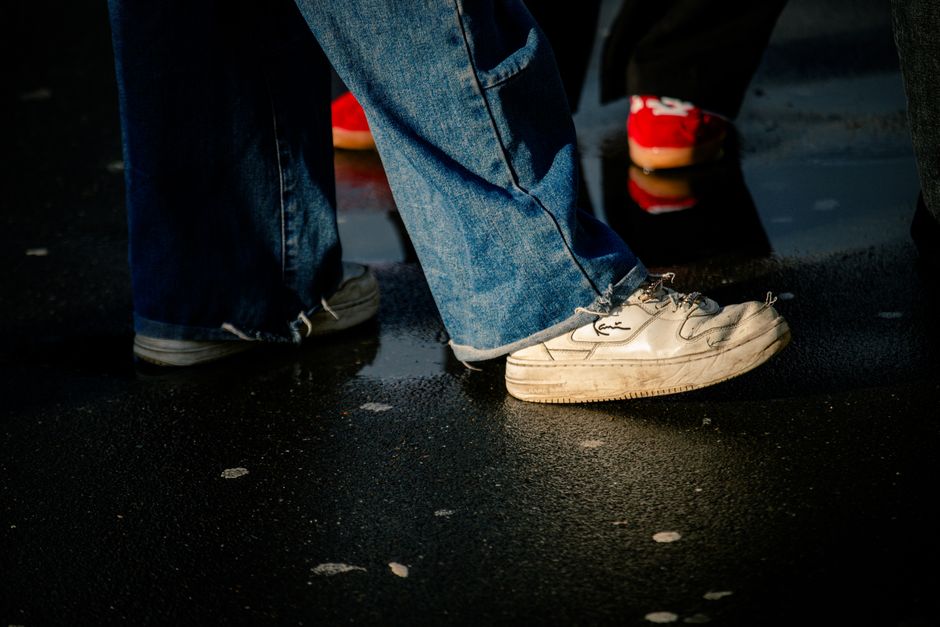
A surprising fact: the difference between sharp white sneakers and worn-out white sneakers often comes down to the midsole, not the upper. A scuffed rubber edge can make a $100 shoe look careless, while a well-maintained pair can make basic jeans and a T-shirt look deliberate. That makes white sneakers a useful wardrobe tool, but only if you choose the right shape, match it to your clothes, and clean it before dirt becomes permanent.
This guide treats the purchase as a practical decision. You will learn what construction matters, how different silhouettes work with trousers, how to clean leather and fabric safely, and which real models deserve your money in 2026.
Which White Sneaker Shape Works With Your Wardrobe?
The silhouette should be selected before the brand. A white sneaker is not one category in practical terms. A slim tennis shoe, a padded basketball-inspired shoe, and a retro running shoe create different proportions even when all three are white. The table below gives a direct starting point.
| Shape | Best clothing match | Main advantage | Common mistake |
|---|---|---|---|
| Slim court shoe | Chinos, straight jeans, casual tailoring | Looks neat and does not overwhelm narrow trousers | Choosing a tiny size or overly pointed toe |
| Classic leather low-top | Denim, cargo trousers, relaxed tailoring | Strong balance between polish and comfort | Pairing a bulky sole with very slim pants |
| Retro basketball shoe | Wide jeans, carpenter pants, shorts | Adds visual weight and casual character | Wearing it under narrow dress trousers |
| Retro runner | Sport trousers, relaxed denim, technical fabrics | Usually offers softer cushioning and more movement | Assuming it will look formal because it is white |
Choose proportion before trend
If your trousers are slim or tapered, a low-profile court shoe usually gives the cleanest result. If you prefer wide denim or full-leg trousers, a thicker retro basketball shape can hold its own. The shoe should occupy a similar visual scale to the trouser leg. A narrow shoe under wide pants can look lost; a thick shoe under narrow pants can make the ankle look pinched.
Use color blocking with restraint
Pure white is versatile, but small accents can make a pair easier to wear. A gum sole warms blue jeans and olive trousers. Navy or forest-green details look less stark than bright red. Black accents create a sharper, more graphic outfit. The verdict is simple: buy an all-white pair for maximum repetition, or choose one muted accent if your wardrobe already lacks contrast. Avoid several competing colors if the goal is a reliable daily sneaker.
For most wardrobes, the best shape is a moderately structured white leather low-top with a rubber sole that is visible but not oversized. It can move from weekend errands to a casual office more easily than a performance runner or a heavily padded high-top.
How to Style White Sneakers Without Looking Under-Dressed
The strongest outfits use white sneakers as a deliberate base, not as an afterthought. Start with the formality of the clothes, then choose the sneaker weight and finish. A polished leather pair can support a jacket; a heavily cushioned mesh runner usually cannot. These formulas cover the situations men most often face.
Use these four outfit formulas
- Dark denim and an Oxford shirt: Choose straight or gently tapered jeans, a white or pale-blue Oxford shirt, and a low-top with minimal branding. Leave the shirt untucked only if the hem finishes around mid-fly. The white shoe repeats the shirt without making the outfit look like a uniform.
- Chinos and a knit polo: Khaki, olive, navy, and stone chinos all work with white sneakers. Keep the trouser break small. A pair that stacks heavily over the shoe makes the clean sneaker look untidy. Add a brown belt only when the rest of the outfit already contains warm tones.
- Relaxed tailoring: Wear a soft-shouldered navy or charcoal jacket with a plain T-shirt, pleated trousers, and a clean leather low-top. The shoe should have a firm heel and a relatively plain side profile. Avoid a basketball shape here unless the trousers are intentionally wide and casual.
- Summer shorts: Aim for shorts that end several inches above the knee, crew socks that do not sag, and a low-top with a simple sole. Very bright white shoes can look severe against bare legs, so off-white, cream, or a gum sole can create a calmer transition.
Match the shoe to the setting
White sneakers are appropriate for many casual offices, restaurants, travel days, and weekend events. They are not a substitute for dress shoes at a formal wedding, conservative interview, or ceremony with a stated dress code. A clean pair can raise casual clothing, but it cannot erase the difference between casual and formal construction. If the event calls for polished leather shoes, follow the dress code.
Keep the rest of the outfit quiet
White sneakers already create a bright visual anchor. Let one other element carry personality: a textured jacket, a patterned shirt, or an unusual trouser fabric. Wearing loud graphics, bright socks, distressed denim, and a large sneaker at the same time can make the outfit look accidental. The clear recommendation is to keep at least two of the three major elements — top, trousers, and shoes — restrained.
How to Clean White Sneakers Without Ruining Them
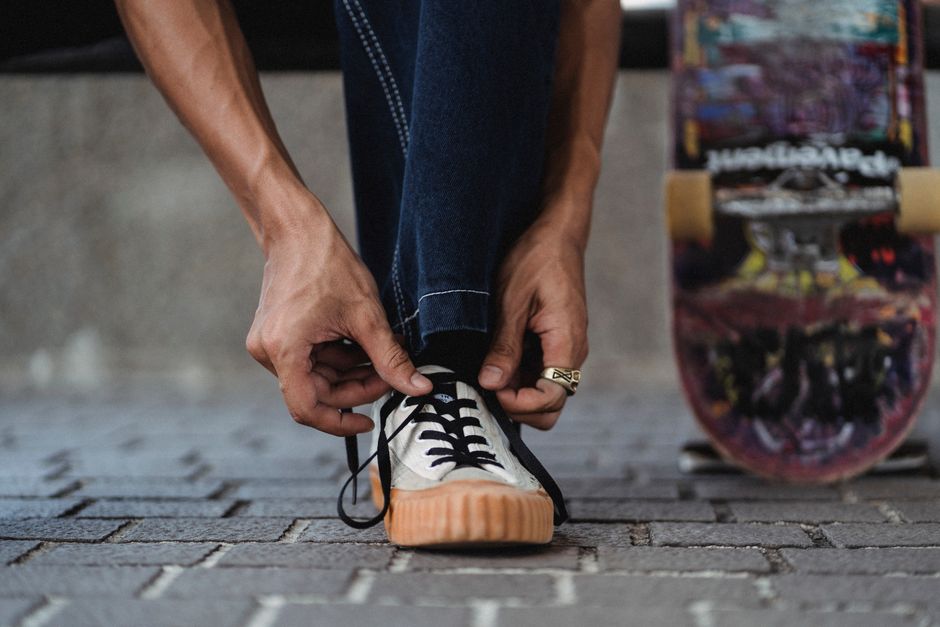
Cleaning works best as a small routine, not an emergency repair. The main failure is using too much water or too much force. Soaking a leather sneaker can loosen adhesives, flatten padding, and leave water marks. Scrubbing aggressively can roughen the surface and spread a stain beyond its original edge. In most cases, a gentle process repeated early gives a better result than a dramatic treatment after weeks of neglect.
Follow the safe five-step process
- Remove the laces and insoles if they are washable. Brush away dry dust with a soft shoe brush before adding moisture.
- Mix a small amount of mild soap with lukewarm water. Dip a soft cloth or soft-bristled brush into the mixture, then squeeze out excess liquid.
- Clean the upper in small sections. Use short, light strokes on leather and avoid flooding seams, tongue edges, and padded collars.
- Wipe away residue with a separate damp cloth. Soap left on the surface can attract more dirt and create a dull film.
- Stuff the shoes with plain paper and let them dry at room temperature. Keep them away from radiators, hair dryers, and direct high heat.
Handle leather, canvas, and rubber differently
Smooth leather usually needs a damp cloth followed by a small amount of neutral leather conditioner once fully dry. Do not use conditioner on fabric panels or rubber. Canvas can receive slightly more water, but it should still dry slowly to limit rings and shrinkage. Knit uppers need a soft brush and minimal pressure because loose fibers can pull or fuzz. For rubber midsoles, a melamine sponge can remove marks, but use light pressure and test a hidden area first because it can dull some finishes.
Avoid the shortcuts that cause damage
Do not put structured leather sneakers in a washing machine unless the manufacturer specifically permits it. Do not use chlorine bleach on white uppers; it can weaken fibers and create yellow patches. Do not scrub wet mud into the fabric. Let mud dry, brush it off, and then clean the remaining mark. A five-minute wipe after wear, followed by a deeper clean every two to four weeks, is the best care schedule for regular city use.
The maintenance verdict is direct: clean the outsole and toe box first, because those areas change the shoe’s appearance fastest. A pair with a slightly creased upper can still look good; a bright upper with a dark, dirty midsole usually looks neglected.
When White Sneakers Are the Wrong Purchase
Do not buy white sneakers if you want one pair for every activity. White leather low-tops are poor substitutes for running shoes, hiking shoes, wet-weather boots, or footwear used in dirty manual work. Their clean appearance also demands regular care. If you know you will not wipe them down, a medium-gray, navy, or black sneaker will usually age more gracefully.
Choose an alternative when the use case demands it
Buy a dark suede sneaker if your daily route includes rain, public transport floors, and frequent outdoor wear. Buy a proper running shoe for running because cushioning, fit, and stability matter more than outfit flexibility. Buy a leather loafer or derby for formal settings. Buy a washable canvas sneaker if low cost and easy replacement matter more than stain resistance. Those alternatives solve different problems, and forcing a white low-top into the wrong role creates both discomfort and faster wear.
The final buying rule
For a first pair, choose the Reebok Club C 85 if price is the deciding factor, the adidas Stan Smith if your wardrobe is slim and polished, or the Nike Air Force 1 ’07 if you wear relaxed jeans and want more cushioning and visual weight. Among these choices, the Nike Air Force 1 ’07 is the best overall recommendation for most men because it combines a durable leather upper, a stable rubber outsole, a widely useful shape, and a current $115 list price. Keep the pair clean, match its weight to your trousers, and it will earn regular rotation instead of becoming another unused purchase.