
A 2-ounce jar of hair clay can cost $12 per ounce, while a larger pomade may cost less than $5 per ounce. The container size matters almost as much as the formula. Buying by label alone can leave you with greasy hair, weak hold, or a tin that lasts three months less than expected.
What pomade, clay, and paste actually do
Hold is not the same as stiffness
Hold measures how well a product keeps hair in a chosen shape. Stiffness describes how hard the hair feels after the product dries. A strong pomade can stay flexible, while a firm paste can feel dry and rigid. Those are different experiences, so a number printed on a label never tells the whole story.
Hair products work by coating strands with waxes, oils, clays, polymers, or a blend of those materials. The coating adds friction between hairs and helps the style resist gravity, movement, and moisture. Fine hair usually needs light texture and lift. Thick hair needs more control at the roots and through the ends.
Finish changes the visual result
Pomade usually adds shine and makes combed styles look smoother. Clay absorbs some oil and creates a dry, separated finish. Paste sits between those choices: it adds texture and movement without the full gloss of classic pomade. The finish also changes how dense the hair looks. Matte products can make short hair appear fuller, while shiny products can make it look flatter and darker.
The first buying decision
Start with the style, not the brand. Choose pomade for a slick side part or pompadour, clay for a messy crop or textured quiff, and paste for a flexible everyday style. That simple match prevents most disappointing purchases.
Pomade vs clay vs paste: compare the trade-offs
The comparison table
| Product type | Typical finish | Best use | Main drawback |
|---|---|---|---|
| Pomade | Medium to high shine | Side parts, pompadours, slick backs | Can flatten fine hair or feel greasy |
| Clay | Matte to natural | Texture, volume, messy crops | Can feel dry in coarse or brittle hair |
| Paste | Low shine to semi-matte | Flexible daily styles and restyling | May not control very thick hair |
Use the finish as your filter
Pick pomade when shine is part of the look. A wet-looking side part needs a product that spreads evenly and supports a combed shape. Pick clay when you want separation, lift, and a less polished result. Pick paste when you want hair to look styled but still touchable.
The table also exposes the main trade-off: shine often improves smoothness, while matte texture often improves fullness. You rarely get maximum shine, maximum volume, and maximum flexibility from one formula. A buyer who wants a dry finish should not choose a glossy pomade and expect a matte result after adding less product.
The verdict
For most short, straight, or slightly wavy hair, paste is the safest first purchase because it offers control without committing you to shine or dryness. Choose clay instead when visible texture matters more than softness.
How hair length and texture change the right choice
Short and fine hair
Fine hair collapses when a heavy product coats every strand. Use a pea-sized amount of paste or a light clay on dry hair, concentrating on the roots and front. Rub the product until no visible clumps remain before touching your head. A blow dryer set on low heat can create lift first, reducing the amount of product needed later.
For hair shorter than 2 inches, a matte clay often creates the strongest visual improvement because it adds separation without making the hair look wet. The risk is over-application. A second small dose works better than one large scoop.
Medium and thick hair
Thick hair can handle stronger formulas, but density creates a distribution problem. A product that sits only on the surface will leave the lower layers loose. Apply from the back toward the front, then work through the sides with your fingers or a wide-tooth comb. Pomade works well for controlled styles because its slip helps the comb pass through dense hair.
For a textured quiff or crop, use clay at the roots and a small amount of paste through the ends. Do not pile both products on from the start. That creates weight before the style has shape.
Wavy, curly, and coarse hair
Wavy hair benefits from a flexible paste that keeps movement visible. Very dry or coarse hair may prefer a creamier pomade because wax-heavy clay can make the strands feel rough. Apply to damp hair for smoother definition and to dry hair for stronger separation. The clear verdict is simple: fine hair should prioritize light texture, while thick or coarse hair should prioritize spread and control.
How to apply hair product without getting greasy clumps
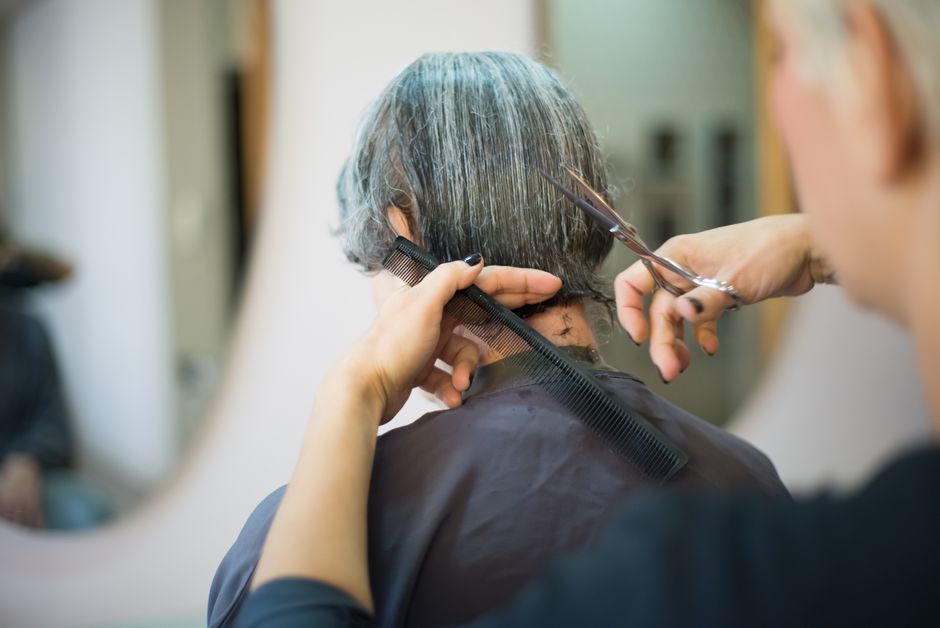
A five-step application method
- Start with clean, towel-dried or dry hair. Water left on the hair changes how strongly the product grips.
- Begin with a pea-sized amount. For hair longer than 3 inches, add another small amount only after the first layer disappears.
- Warm the product between your palms for 10 to 15 seconds. This softens wax and spreads the formula across both hands.
- Apply from the back and sides toward the front. Push product into the roots before shaping the surface.
- Finish with fingers for separation or a comb for a cleaner outline. Wait five minutes before judging the hold.
Dry hair or damp hair?
Dry hair gives the strongest hold and the most visible texture. Damp hair gives a smoother, softer result and can reduce the appearance of flyaways. For a neat side part, apply a small amount to damp hair and add a final touch after drying. For a messy crop, apply clay or paste to dry hair and pinch the ends into place.
The mistake that wastes the most product
Do not scoop a large amount because the first application feels weak. Many formulas build slowly as the hair dries and the product settles. Large amounts create greasy roots, hard-to-remove residue, and a style that loses volume. The best method is two thin layers with a short pause between them.
What can go wrong after you buy the right product?
Why does the style look greasy?
The usual cause is quantity, not a defective formula. Shine increases quickly when product reaches the scalp, so keep the first application on the mid-lengths and ends. If the hair still looks oily, wash it before adding more styling product. A dry shampoo can reduce visible oil temporarily, but it does not remove buildup.
Why does clay feel too dry?
Clay absorbs oil and creates friction. That helps volume, but too much can make coarse or curly hair feel stiff. Switch to damp application, use half as much, or choose a flexible paste. Layrite Cement Hair Clay is a poor choice for someone who wants soft movement: its 4.25-ounce formula is built for strong hold and a matte finish, so it suits structured styles better than loose waves.
When should you stop buying stronger hold?
More hold does not fix a poor haircut, excess length, or a style shaped in the wrong direction. If the hair falls forward because of growth patterns, blow-dry it into position first. If a product flakes, stings, or leaves persistent scalp irritation, stop using it and check the ingredient list. The buyer should treat discomfort as a product failure, not a challenge to overcome.
When not to buy pomade, clay, or paste
Skip styling product when the real problem is the cut
Do not buy a stronger product to compensate for a haircut that has too much weight. A dense fringe may need thinning or reshaping, not a harder wax. Hair that will not hold may need a shorter length or a blow-dry routine. Spending another $25 on product can hide the problem for a week while making the hair heavier every morning.
Choose a different formula for a different priority
Skip high-shine pomade if you wash infrequently and dislike buildup. Choose a water-soluble formula or a light paste instead. Skip matte clay if your hair is bleached, brittle, or already rough. A moisturizing cream or lightweight styling lotion will preserve softness better. Skip firm paste if you want a loose, touchable style that moves in wind; a light cream will give a more natural result.
The final buying rule
Compare price per ounce, finish, hold, washout, and hair length before comparing brand names. Manufacturer prices also vary by retailer, region, and promotions, so treat the listed price as a reference rather than a promise. For a glossy controlled style, Reuzel Blue is the strongest fit. For matte texture, Baxter Clay Pomade is the clear pick. For flexible everyday control, American Crew Fiber wins.
The single most important takeaway is this: choose the finish and style first, then buy the lightest product that can hold your hair in that shape.