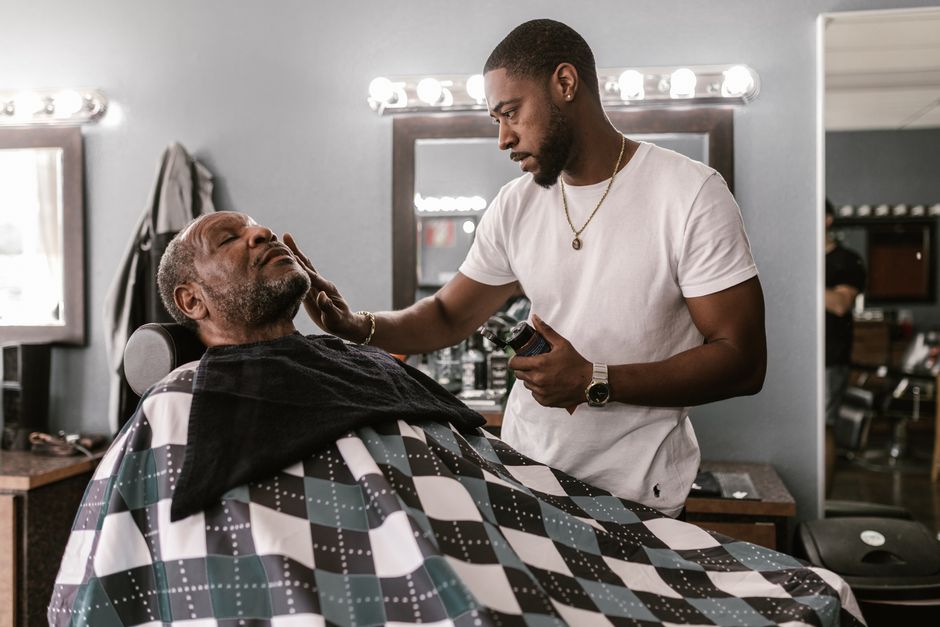
What to buy before an at-home facial shave
The biggest shaving mistake is treating facial hair like dry grass: add pressure, scrape harder, and expect a closer result. Facial skin needs water, slip, and a blade that can move over the surface without dragging. You do not need a ten-step routine. You need a gentle cleanser, a proper shaving layer, a clean sharp blade, and a plain moisturizer for afterward.
| Item | Useful specification | Typical US price in 2026 | Best use |
|---|---|---|---|
| CeraVe Hydrating Facial Cleanser | 12 fl oz, fragrance-free cleanser with ceramides | $15.99 | Dry or tight skin before shaving |
| NIVEA MEN Sensitive Shave Gel | About 7 oz, gel that turns into a cushioning lather | About $6.50 | Daily shaving and sensitive skin |
| The Ordinary 100% Plant-Derived Squalane | 30 mL, single-ingredient oil-like serum | $10.40 | Extra slip or a dry second pass |
| Vanicream Moisturizing Cream | 16 oz tub, fragrance-free moisturizer | About $14.99 | Post-shave barrier support |
Clean with lukewarm water
Wash your face for 20 to 30 seconds with lukewarm water, then leave the skin damp. CeraVe Hydrating Facial Cleanser is the better pick for dry skin because it removes oil and sunscreen without leaving a tight, squeaky feeling. Skip hot water. It can increase redness before the blade even touches your face.
Buy glide, not foam volume
A thick cloud of foam does not prove that a product protects your skin. The layer should stay wet for at least three minutes. NIVEA MEN Sensitive Shave Gel is the practical low-cost choice for most men because the gel spreads easily and makes missed spots visible. For a very dry face, add two drops of facial oil over the shave layer rather than replacing the layer with oil alone.
Shave with the grain before you chase closeness
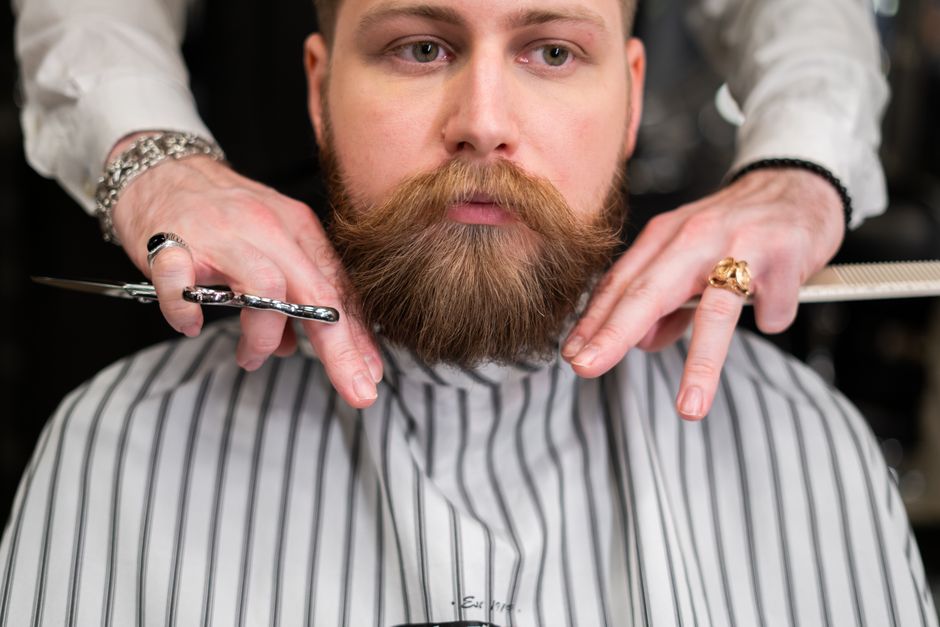
My clear verdict: the first pass should always follow hair growth. Shaving against the grain can feel smoother for a few hours, but it also pulls the hair upward before cutting it, which raises the chance of bumps, burning, and ingrown hairs. A controlled with-the-grain pass removes most visible stubble without forcing the blade into the skin.
Map your beard growth
Run a clean fingertip across each zone before applying shave cream. If the surface feels smooth, you are moving with the grain. If it feels rough, you are moving against it. The cheeks often grow downward, while the neck can grow sideways, upward, or in a swirl. Treat the neck as several small zones instead of assuming the whole face grows in one direction.
Use this five-part shaving sequence
- Soften the beard with lukewarm water for two minutes. A shower works, but do not scrub the face hard first.
- Apply a wet, even layer of cream or gel and wait 60 to 90 seconds. This gives coarse hair time to absorb water.
- Make short strokes with the grain. Use almost no pressure and rinse the blade after every one or two strokes.
- Reapply shave product before a second pass. Move across the grain only on areas that stayed calm after the first pass.
- Stop at two passes. A third pass usually removes a small amount of stubble while adding a large amount of friction.
Stretch loose skin only on flat areas such as the cheeks. Pulling the neck tight can make the blade cut hair below the surface, which often leads to bumps later.
Cream versus oil: cream wins for the first pass
Shaving cream and shaving oil do different jobs. Cream or gel adds water and a visible cushion between the blade and skin. Oil adds slip and can help you see the hair, but it does not soften a dry beard as well. For a full facial shave, use cream first and oil only as a targeted helper.
Choose cream for coarse stubble and a complete shave
A cream or gel is the safest starting point because it combines hydration with lubrication. NIVEA MEN Sensitive Shave Gel costs about $6.50 for a 7 oz can and suits men who shave several times a week. Work it into wet hands or directly onto a damp face, then leave it in place for about one minute. If the skin starts to sting before the blade moves, rinse and switch to a fragrance-free formula. A product that burns is not proving that it works.
Choose oil for visibility and small touch-ups
Oil makes sense for a short beard line-up, a mustache edge, or a second pass where you need to see the hair. The Ordinary 100% Plant-Derived Squalane costs $10.40 for 30 mL and has a simple ingredient list, so it is a useful option for people who dislike scented shaving products. Apply two or three drops to damp skin, spread them thinly, and use a light touch. Do not pour a heavy oil layer over an unsoftened beard and expect the blade to glide. For dry sensitive skin, cream remains the better main product; oil is the small finishing tool.
Know when oil is the wrong choice
Skip facial oil during an active breakout, after a fresh sunburn, or when the skin already feels hot and swollen. Oil can make a close shave harder to inspect and may trap sweat around irritated follicles. If you need to remove a full beard, choose a wet cream or gel. If you need to clean one cheek line before leaving home, oil can be faster.
Calm razor burn by stopping early
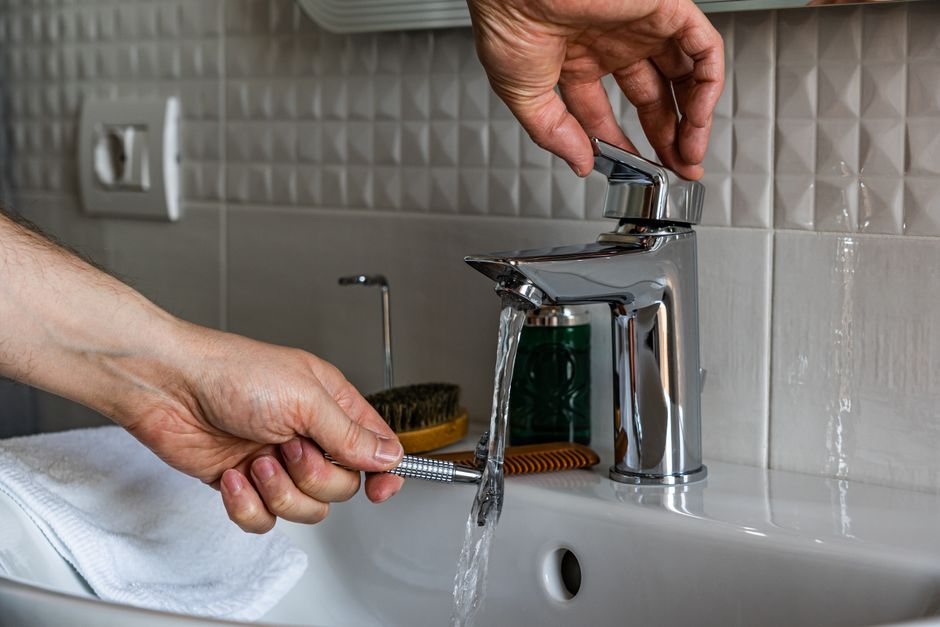
Razor burn is not a sign that you need a stronger aftershave. It is a sign that the skin has taken too much friction, pressure, heat, or repeated scraping. The fastest recovery plan is boring: stop shaving the affected area, cool the skin, and remove products that sting.
The first 30 minutes matter
- Rinse with cool water for 10 to 20 seconds. Do not rub the face with a towel.
- Pat dry with a clean towel and wait five minutes before applying anything else.
- Use a thin layer of bland, fragrance-free moisturizer. Avoid alcohol-heavy splash, menthol, perfume, and exfoliating acids.
- Do not pick bumps or run the blade over red patches to make the result look even.
Follow a recovery schedule
| Skin response | What to do | When to shave again |
|---|---|---|
| Mild pinkness with no pain | Moisturize once and avoid extra products | Usually the next day if the color has settled |
| Burning, tenderness, or many small bumps | Stop shaving and use cool water plus bland moisturizer | Wait 48 to 72 hours |
| Open cuts, swelling, pus, or spreading warmth | Do not shave; seek medical advice if it worsens | Only after the skin has fully closed and calmed |
Letting stubble show for two days is cheaper and safer than turning a minor shave mistake into a week of inflamed skin. If redness lasts beyond 48 hours, becomes painful, or spreads, treat it as a skin problem rather than a grooming problem.
Common shaving mistakes and the kit I would choose
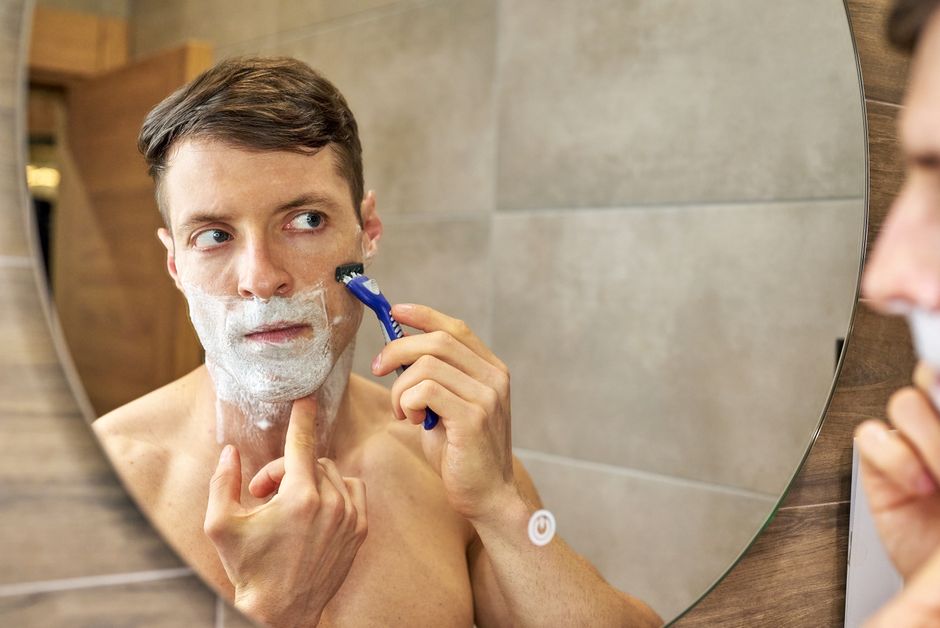
My pick for most men is a four-item routine: gentle cleanser, sensitive-skin shave gel, one clean blade, and fragrance-free moisturizer. Add oil only if you need extra visibility for detail work. More products create more chances for fragrance, alcohol, or active ingredients to irritate freshly shaved skin.
The practical four-item kit
- Cleanser: CeraVe Hydrating Facial Cleanser, 12 fl oz at about $15.99, for removing sweat and sunscreen without a tight finish.
- Shave layer: NIVEA MEN Sensitive Shave Gel, about $6.50 for 7 oz, for a wet first pass with visible coverage.
- Moisturizer: Vanicream Moisturizing Cream, about $14.99 for 16 oz, for dry or reactive skin after rinsing.
- Detail oil: The Ordinary 100% Plant-Derived Squalane, $10.40 for 30 mL, for a thin layer on small touch-up zones.
- Emergency barrier: Aquaphor Healing Ointment, about $6.49 for 1.75 oz, for a tiny amount on a cracked spot or nick, not as an all-over shaving lubricant.
When not to shave
Skip the shave if the face has peeling sunburn, active cuts, a spreading rash, painful cystic acne, or razor bumps that have not settled. Do not shave immediately after a chemical exfoliant, retinoid, or professional facial. Wait until the skin feels normal when washed and touched. For men who develop bumps after every close shave, the best change may be a shorter trim with an electric trimmer rather than a closer blade pass. The goal is a clean face that stays calm, not a perfectly smooth face that hurts by lunchtime.