
Why cold air makes your beard dry, rough, and itchy
A beard can lose moisture faster than the skin under it, especially when outdoor cold meets heated indoor air. The result is familiar: stiff hairs, beard dandruff, tight skin, and an itch that gets worse after washing. Facial hair also acts like a small brush against the skin, lifting flakes and spreading irritation across the cheeks and neck.
Cold air changes the moisture balance
Cold air holds less water vapor than warm air. Indoor heating lowers humidity again, so water leaves the surface of your skin and hair more quickly. Beard hair does not produce its own oil. Sebum from the skin has to travel down each strand, and longer or coarser hair makes that trip harder. A three-day beard may feel fine in mild weather, while a two-inch beard can become brittle after several days of wind and dry heat.
That explains why adding more oil is not always the answer. Oil slows water loss, but it does not replace water. If you apply a heavy oil to completely dry skin, the beard may feel slick while the skin underneath still feels tight. The better sequence is damp skin first, then a small amount of oil or balm to hold that moisture in place.
Beard itch is often a routine problem
Winter itch usually comes from three sources: over-washing, hot water, and trapped flakes. Daily shampooing strips surface oil, while very hot water increases dryness and redness. A rough towel can add tiny points of friction to already irritated skin.
The practical fix is simple. Wash the beard with lukewarm water two or three times per week, rinse after heavy sweating, and pat it dry instead of rubbing. Use a clean wooden or plastic comb once the hair is mostly dry. A comb removes loose flakes without scraping the skin as aggressively as a stiff brush. For persistent redness, thick scale, pain, or cracking, stop testing new grooming products and ask a clinician about conditions such as seborrheic dermatitis or eczema.
The three-step routine that works before you buy anything
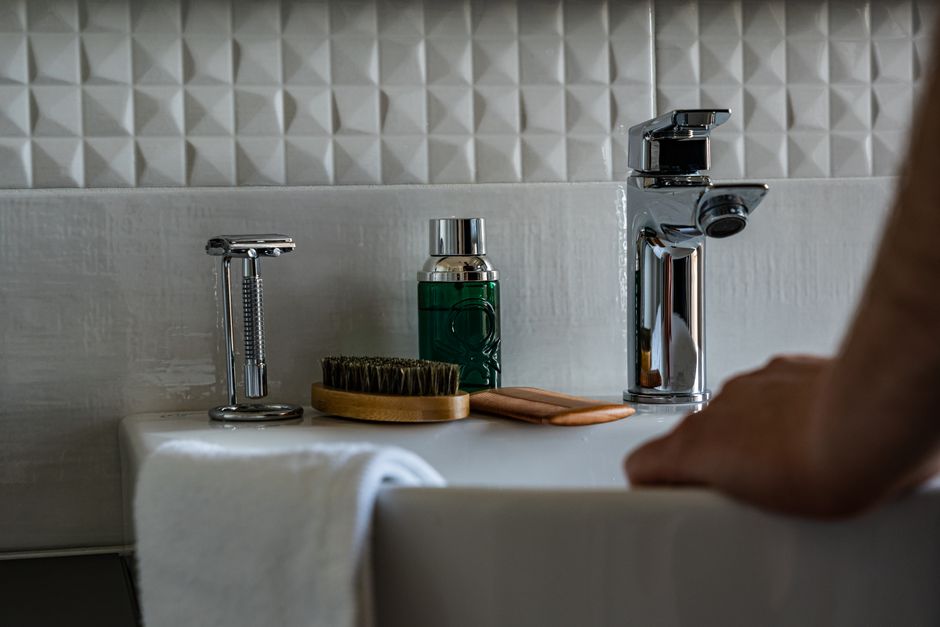
My clear verdict: fix the washing and drying routine before buying a larger bottle of beard oil. Most winter beard problems start with water loss and friction, not a lack of expensive products.
Step 1: Clean without stripping
- Rinse with lukewarm water for 30 to 60 seconds.
- Use a mild beard cleanser two or three times each week.
- Massage the skin beneath the beard with your fingertips, not your nails.
- Rinse until no cleanser remains around the jaw or neck.
Step 2: Add moisture while the beard is damp
- Pat the beard until it is damp rather than dripping.
- Apply a small amount of beard conditioner to the hair, avoiding the eyes and lips.
- Wait one to two minutes, then rinse thoroughly.
- Use two to four drops of oil on a short beard or four to six drops on a longer beard.
These steps matter more than a complicated shelf of products. Keep showers under ten minutes, run a bedroom humidifier near 40% to 50% humidity, and wash pillowcases weekly if beard oil transfers to the fabric. Do not use a hair dryer on its highest heat. If you need one, use low heat and keep it at least 15 centimeters from the beard.
Skip a new product if your skin is already burning, cracked, or covered in a spreading rash. More ingredients create more possible triggers. Patch-test a small amount under the jaw for 24 hours before applying a new formula across your face.
Which beard products make sense for winter dryness?
Is beard oil better than beard balm?
For a short or medium beard with flaky skin, beard oil is the stronger first choice because it spreads easily to the skin beneath the hair. Honest Amish Classic Beard Oil comes in a 2-ounce bottle and uses a blend built around carrier oils such as argan, jojoba, avocado, and pumpkin seed oils. It suits someone who wants slip and softness without much styling hold. Start with two drops; more can leave the face greasy and transfer to collars.
For a longer beard that feels rough at the ends, balm adds a light coating and a little control. Use a pea-sized amount after washing, warm it between your palms, and work it through the middle and ends. Balm is not a cure for a dry scalp-like rash because it mostly sits on the hair. If flakes are coming from the skin, correct the cleanser and hydration routine first.
When is a conditioner the better purchase?
Choose conditioner when the beard feels coarse after every wash or catches on a comb. Scotch Porter Beard Conditioner is sold in an 8-ounce bottle and is designed for rinse-out use, so it gives more slip than a few drops of oil. Cremo Beard & Scruff Cream comes in a 3-ounce tube and works as a leave-in style product for short facial hair that needs softness without a glossy finish.
My pick is Scotch Porter for a medium or long beard that tangles, and Cremo for short stubble that feels dry after cleansing. Jack Black Beard Oil, sold in a 1-ounce bottle, is the better compact option for someone who wants a lighter, travel-friendly oil. Package size matters: a small bottle may cost more per ounce, but it reduces the chance of keeping an old oil open for years. Store any product away from a hot bathroom window, and replace it if the smell, color, or texture changes.
A practical winter beard-care schedule
The best routine is the one you can repeat when the temperature drops. This schedule separates cleansing, conditioning, and styling so you do not strip the beard every morning.
Weekly schedule and timing
| Time | Action | Target |
|---|---|---|
| Every morning | Rinse if needed, pat dry, comb gently | 30 to 90 seconds |
| Two or three evenings weekly | Use mild beard cleanser, then conditioner | 3 to 5 minutes |
| After each wash | Apply oil to damp beard | 2 to 6 drops |
| Once weekly | Clean combs and change pillowcase | 5 minutes |
| Dry indoor nights | Run a humidifier near the bed | 40% to 50% humidity |
What the schedule prevents
Washing every day can remove too much surface oil, while never washing can allow sweat, dead skin, and styling residue to collect around the follicles. This middle path reduces both problems. The amount of oil should also match beard length. Two drops may cover stubble; six drops may still be too little for a full beard. Rub the oil across your palms first, then press it into the underside of the beard before smoothing the outer layer.
Do not brush a soaking-wet beard hard. Wet hair stretches more easily and can snap under force. Do not sleep with a heavy layer of balm if it causes forehead bumps or pillowcase buildup. A product that softens the beard but worsens the skin is a poor trade.
Winter beard care picks by problem

Most people need one cleanser, one conditioning step, and one leave-in product. Buying all four examples below is unnecessary. Pick the option that matches the actual failure in your routine.
Shortlist by beard length and skin need
| Problem | Best fit | Why it wins |
|---|---|---|
| Dry skin beneath a short beard | Honest Amish Classic Beard Oil, 2 oz | A few drops spread easily to the skin and soften short hair without heavy styling hold. |
| Coarse, tangled medium beard | Scotch Porter Beard Conditioner, 8 oz | Rinse-out conditioning gives more slip than oil alone and helps the comb move through the hair. |
| Short stubble with a dry feel | Cremo Beard & Scruff Cream, 3 oz | The cream format gives light softness and a low-shine finish without requiring a long-beard routine. |
| Light oil for travel | Jack Black Beard Oil, 1 oz | The smaller bottle fits a travel kit and works for someone who wants a simple, lighter finish. |
| Redness, cracking, or persistent scale | No new grooming product | Pause experimentation and seek medical advice if the skin problem continues or spreads. |
The compressed verdict
For most dry winter beards, the winning plan is lukewarm washing two or three times per week, conditioner after cleansing, two to six drops of oil on damp hair, and indoor humidity near 40% to 50%. Choose Scotch Porter when tangling is the main problem, Honest Amish when the skin beneath a short beard feels tight, and Cremo when short stubble needs a softer low-shine finish. Persistent rash or cracking changes the decision: skin care and medical guidance take priority over another bottle of beard oil.