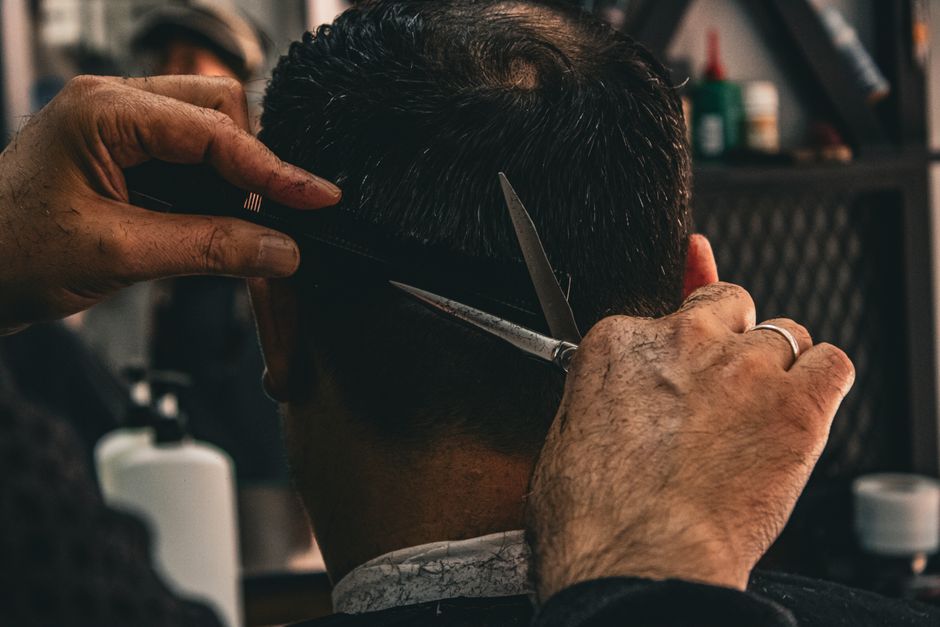
Want a summer haircut that still looks intentional six weeks later? Pick a shape that keeps its balance as the sides lengthen, then give your barber exact guard numbers and a clear plan for the neckline. The best grow-out cut is not the shortest cut. It is the cut with the fewest awkward stages.
What makes a summer haircut grow out well?
Keep the transition gradual
A haircut grows out cleanly when the difference between short and long areas is controlled. A soft taper from a number 2 guard into longer sides usually ages better than a skin fade that starts at zero. Skin fades look sharp for about ten days. After that, the new growth creates a visible dark band around the temples and neck. A low taper gives you more room before that contrast becomes obvious.
The same rule applies on top. A blunt, heavily disconnected top can look fine on day one and bulky by week four. Ask for texture through the ends instead of removing a large amount of length. That lets the hair move as it gets longer.
Choose a neckline that can recover
A natural neckline is the safest choice for a long grow-out. It follows your hairline and does not create a hard horizontal mark. A squared neckline looks crisp, but the corners become obvious as they drop down the neck. A rounded neckline is softer and works well for thick hair.
Best verdict: For most men, a low taper with a natural neckline and lightly textured top grows out better than a skin fade with a sharp line.
Which haircut lengths stay balanced as they grow?
Use this length chart before booking
| Haircut | Starting length | Clean window | Grow-out strength |
|---|---|---|---|
| Low taper crew cut | Number 2 sides, 1.5–2 inches on top | 3–4 weeks | Excellent |
| Ivy League | Number 3 sides, 2.5–3 inches on top | 4–6 weeks | Excellent |
| Textured crop | Low taper, 2–3 inches on top | 3–5 weeks | Very good |
| Buzz cut with taper | Number 2 or 3 all over | 2–3 weeks | Good |
| Medium scissor cut | 1.5–3 inches on sides, 3–5 inches on top | 5–7 weeks | Very good |
Pick the Ivy League for the safest middle ground
The Ivy League wins for men who want a neat summer cut without visiting the barber every two weeks. The sides stay short enough for heat and sweat, while the top has enough length to part, push back, or wear forward. It also avoids the severe contrast created by a bald fade.
Pick the buzz cut only if your head shape works
A number 2 or number 3 buzz cut is easy to maintain, but it reveals everything: dents, scars, uneven growth, and a narrow crown. Ask your barber to check your head shape before removing the length. The number 3 is the better first attempt because it leaves roughly 10 millimeters of coverage and looks less severe.
Best verdict: The low taper crew cut gives the best mix of coolness, shape, and recovery between appointments.
Which summer haircut works for your hair type?
For straight and fine hair: choose a textured crop
Fine straight hair often collapses when it gets hot. A short textured crop solves that by keeping the sides controlled and adding broken-up movement on top. Ask for roughly 2 inches at the front and point-cut texture through the top. Do not let the barber thin the hair aggressively. Excessive thinning removes density and can make fine hair look see-through.
Wear the fringe forward if your hairline is uneven. Push it slightly to the side if you want a cleaner result. A matte product works better than a wet pomade because shine makes fine hair look flatter.
For thick straight hair: choose a low taper with internal weight removal
Thick hair does not need a tighter fade by default. It needs weight removed in the right places. Ask for a low taper around the sideburns and neck, then have the barber reduce bulk above the temples and behind the crown. Keep at least 2.5 inches on top so the hair has enough length to settle.
A high fade can make thick hair look mushroom-shaped as it grows. The top remains heavy while the sides expand into it. The low taper gives the shape a longer, cleaner transition.
For wavy or curly hair: choose a controlled scissor cut
Wavy hair grows outward before it grows downward. Curly hair shrinks when cut wet and expands when dry. Your barber should inspect the curl pattern dry before deciding the final length. A low taper with 3–4 inches on top gives curls room to form without turning the sides into a triangle.
Do not ask for a razor-clean fade if your curls grow unevenly around the temples. The contrast becomes harsh quickly. A scissor taper looks less dramatic but stays balanced for longer.
Best verdict: Straight fine hair suits a textured crop, thick straight hair suits a low taper, and curly hair suits a scissor-led shape with a restrained taper.
Which cut should you book if you hate frequent barber visits?
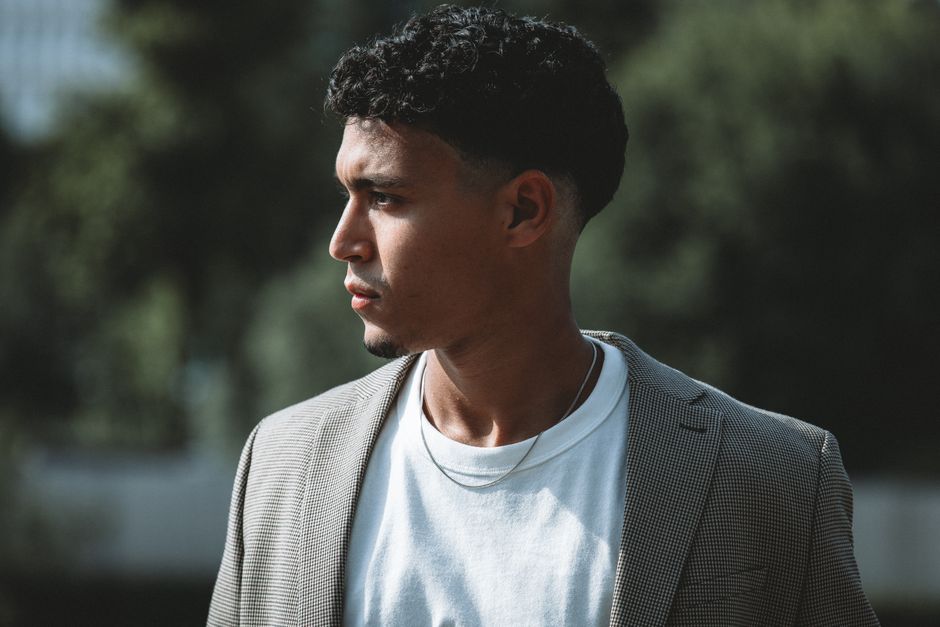
The fast answer
Book a low taper Ivy League. It is the strongest all-purpose choice for summer because it leaves enough length to style while keeping the hot, bulky areas under control.
Use this ranking
- Best overall: Low taper Ivy League, with a number 3 on the sides and 2.5–3 inches on top.
- Best for very hot weather: Number 3 crew cut with a natural neckline.
- Best for fine hair: Textured crop with a low taper and a slightly longer fringe.
- Best for thick hair: Scissor taper with internal weight removed above the ears.
- Best for curls: Short curly top with a low temple taper, not a high fade.
Do not choose a skin fade just because it looks sharp in a barber-shop photo. It demands the most frequent maintenance. If you normally wait five weeks between cuts, the photo is showing a style that does not match your schedule.
Best verdict: If you want one booking that looks good on day one and day thirty, choose the low taper Ivy League.
What mistakes make a summer haircut grow out badly?

Mistake one: starting with a bald fade
A bald fade removes the exact buffer that makes a haircut age well. The first week looks clean. By week three, the sides can look disconnected because the fade line has moved down with new growth. Choose a number 1 or 2 starting point if you want a sharper finish without the maintenance trap.
Mistake two: thinning thick hair everywhere
Thinning shears can remove bulk, but too much thinning creates short hairs that push through the longer layer. The result looks fuzzy and wide as it grows. Thick hair usually needs targeted weight removal around the temples, crown, and behind the ears. It does not need every section shredded.
Mistake three: ignoring the neckline
A hard squared neckline can look tidy in the chair and messy two weeks later. The hair below the line grows down and makes the shape look heavy. Ask for a natural or softly rounded neckline unless you return to the barber every two weeks.
Another mistake is copying a haircut designed for a different hairline. A sharp fringe does not hide every receding temple, and a short buzz does not flatter every head shape. The right cut works with your growth pattern.
Best verdict: Avoid the bald fade, careless thinning, and hard neckline if your priority is a clean five-week grow-out.
What styling products help while the cut grows?
Choose a matte product with light control
As the sides lengthen, heavy shine makes extra bulk more obvious. American Crew Fiber, usually about $20 for 3 ounces, gives short and medium hair a dry finish with firm control. It is the best pick for a textured crop or crew cut because you can pinch small sections instead of coating the whole head.
Baxter of California Clay Pomade, about $28 for 2 ounces, has a stronger dry grip and works better for thick straight hair that lifts around the temples. It can feel too heavy on fine hair, so start with less than a pea-sized amount.
Use cream for waves and a lighter finish
Reuzel Fiber Pomade, around $18 for 4 ounces, offers flexible control for medium-length hair and loose waves. It is easier to restyle than a hard gel and does not lock the hair into one shape. For coarse hair that needs more grip, Kevin Murphy Rough.Rider, commonly about $34 for 3.4 ounces, gives a dry clay finish but can make short curls feel stiff.
Apply any product to mostly dry hair. Start at the back, use what remains on the front, and keep product away from the roots if your hair is fine. A small amount applied twice beats one large scoop that leaves the hair greasy.
Skip styling products entirely if your cut is a number 3 buzz or shorter. The hair has no length to shape, and product only adds residue. For every other style, American Crew Fiber is the best all-purpose choice for a clean summer finish without a wet, overworked look.
The haircut matters more than the product: choose a low taper, keep the transition gradual, and let the shape grow instead of fighting it.