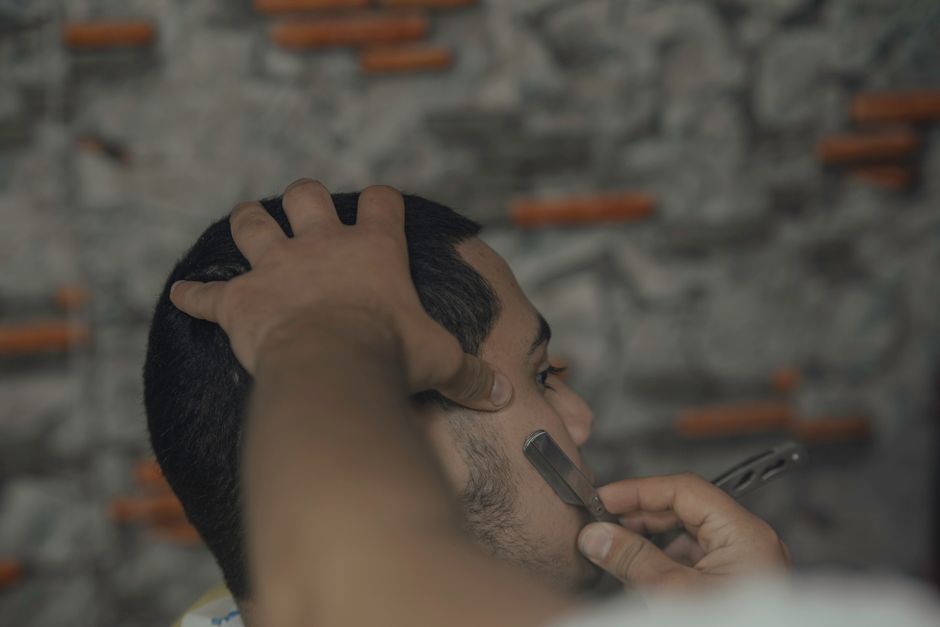
A good travel grooming kit keeps you clean, presentable, and comfortable without filling half your suitcase. The winning setup is not the biggest toiletry bag; it is a small system built around your trip length, transport rules, and daily routine.
Start With the Grooming Problems You Actually Need to Solve
The best travel grooming kit is built around problems, not product categories. You need to control odor, keep your face comfortable, manage hair, and handle small emergencies. Packing one item for every possible situation creates weight and clutter. Packing too little leaves you searching for a pharmacy after landing.
Build a four-part core kit
Begin with four groups: washing, oral care, shaving or beard care, and hair or skin care. Washing covers a small cleanser, deodorant, and soap. Oral care needs a toothbrush, a compact toothpaste, and floss. Shaving or beard care depends on your normal routine. Hair and skin care may mean only a comb, moisturizer, and sunscreen.
For a two- to five-day trip, one tool from each group usually works. A longer trip does not always require more products; it often requires replacements for items that run out. Decanting prevents you from carrying a full bottle for a short stay.
Match the kit to the itinerary
A city weekend needs less than a ten-day beach trip. A business meeting adds styling and shaving needs. Hiking adds sunscreen, blister care, and insect protection. Your verdict should be simple: pack for the most demanding day, then remove anything that only solves a rare problem.
Keep the kit small enough to lift with one hand. That physical limit forces useful choices and makes it easier to spot items you never touch.
Pack Liquids Around Airline Rules, Not Hope
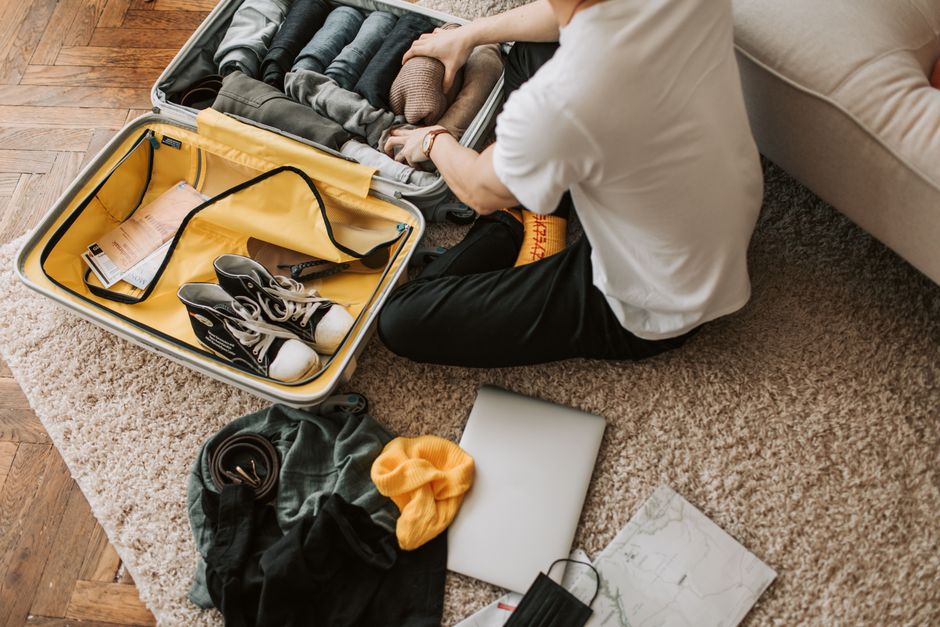
For carry-on travel, liquids create the most common packing failure. Security staff may judge the container, not the small amount left inside it. Check the airport and airline rules before departure, but use the familiar 100 ml or 3.4 oz limit as your working ceiling for each liquid container. Put those containers in one clear, resealable bag that you can remove quickly.
Use a simple liquid inventory
| Item | Practical amount for 4 days | Best packing choice |
|---|---|---|
| Facial cleanser | 20-30 ml | Soft silicone bottle |
| Shampoo | 30-50 ml | Hotel bottle or solid bar |
| Toothpaste | 15-25 ml | Travel tube |
| Moisturizer | 15-20 ml | Small screw-top jar |
| Sunscreen | 30-50 ml | Original labeled tube |
Separate solids from liquids
Solid shampoo, bar soap, deodorant sticks, shaving soap, and toothpaste tablets reduce liquid-bag pressure. They also prevent leaks from soaking your clothes. A solid option makes the most sense for repeat travelers who already like the texture and performance.
Do not transfer products into unmarked bottles if you may need to identify them quickly. Leave medication, contact-lens solution, and medically necessary liquids in clearly labeled packaging. The clear verdict: use small liquid containers for comfort products and solids for anything that performs well without water-based packaging.
Choose a Container System That Prevents Leaks
Use one washable hanging bag for daily items and one small sealed pouch for leak-prone liquids. That split works better than one crowded pouch because it keeps toothpaste, cleanser, and shampoo away from your clothes. It also lets you hang the main bag in a small hotel bathroom instead of spreading items across the sink.
Set up the main compartment
Put dry tools in the largest section: toothbrush, comb, nail clippers, razor handle, cotton swabs, and small scissors if your transport rules allow them. Store each tool where you can find it without unpacking the whole kit. A mesh pocket works well for items that need to dry after use.
Place liquids in a zippered section or separate clear pouch. Tighten every cap before packing, then press the bottle gently while closed. If the bottle expands or leaks, replace it before travel. A cheap plastic bag around the liquid pouch adds a second barrier and weighs almost nothing.
Size the bag for your real routine
A 20 cm by 15 cm pouch suits a short business trip with a basic routine. A longer vacation may need a hanging organizer closer to 25 cm by 20 cm, but bigger is not automatically better. Oversized bags invite duplicate products, full-size bottles, and “just in case” tools.
Choose a bag that opens flat, has a wipe-clean lining, and closes without force. For most travelers, a compact structured pouch is the best choice because it limits volume while keeping the kit easy to inspect.
Build the Shaving and Skin Routine in the Right Order
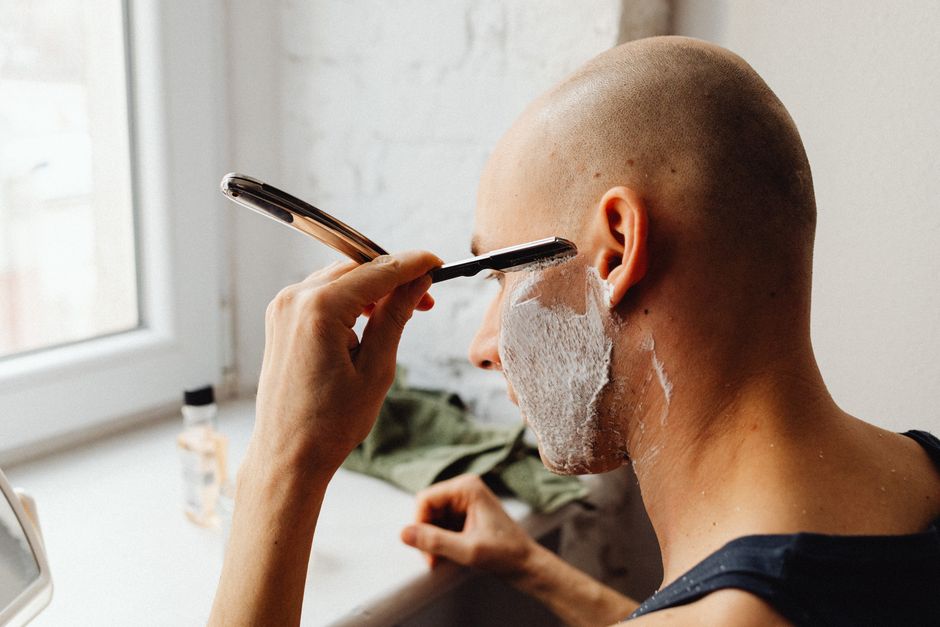
Shaving works better when you pack for skin comfort rather than a perfect barber-shop setup. Water quality, climate, and hotel towels can change how your face feels. Keep the routine short: cleanse, soften, shave or trim, rinse, then moisturize and protect.
Pack one reliable shave method
For a close shave, the Gillette SkinGuard razor costs about $10 for a starter handle and uses a guarded cartridge designed for sensitive skin. The Philips OneBlade 360, often priced near $35, handles short stubble with less water and fewer loose accessories. A compact beard trimmer such as the Philips Norelco Multigroom 3000 usually costs around $25 and suits travelers who maintain length instead of shaving smooth.
Pick one method. Carrying a cartridge razor, foil shaver, and beard trimmer for a four-day trip wastes space and encourages indecision. The clear verdict: choose the Philips OneBlade 360 for flexible stubble control; choose the Gillette SkinGuard when a smooth shave matters most.
Protect skin after the shave
CeraVe Facial Moisturizing Lotion PM costs about $14 for a full-size bottle and works as a plain, fragrance-free moisturizer, though you should decant a small amount for travel. La Roche-Posay Anthelios UVMune 400 Invisible Fluid SPF50+ costs roughly $25 in markets where it is sold and gives the strongest case for a dedicated face sunscreen.
Do not test a new fragrance, acid, or aftershave on the morning of a flight. Travel stress, dry cabin air, and unfamiliar water already make irritation more likely. Bring products you have used successfully for at least several days.
Avoid the Packing Mistakes That Ruin the Routine
Most grooming-kit problems come from duplication, poor timing, or a container that fails under pressure. Fix them before the suitcase closes.
Run this mistake check
- Do not pack full-size bottles for a short trip. Decant the amount you will use, then add only a small margin.
- Do not put loose blades, nail tools, or scissors in a carry-on without checking current security rules. Move restricted tools to checked luggage or replace them with permitted versions.
- Do not pack a new skincare product before an important meeting. A rash is harder to solve than dry skin.
- Do not leave a razor wet inside a closed pouch. Rinse it, shake off water, and let it dry before sealing the bag.
- Do not rely on a hotel for a product you cannot replace easily, such as a specific beard trimmer guard or prescription cream.
- Do not pack duplicates unless the trip lasts long enough to use them. Two face cleansers and three styling products signal an oversized routine.
Use a final five-minute test
Lay every item on a towel and group it by morning use, evening use, and emergency use. Remove anything that appears in two groups. Put the kit in your bag, lift it, and check that you still have room for the liquid pouch and charger.
The verdict is firm: a grooming item that cannot survive security, a leak, or a missed charging opportunity does not belong in a carry-on kit.
Answer the Questions That Appear After You Start Packing
Should a travel grooming kit include cologne?
Yes, but only in a small atomizer or solid fragrance format. A 5 ml atomizer gives several days of use and avoids carrying a heavy glass bottle. Spray once on the neck or wrists rather than packing several scents. For a business trip, one restrained fragrance is the better choice.
Should I buy travel-size products?
Buy them when the container is durable, clearly labeled, and cheaper than repeatedly replacing poor decants. Otherwise, transfer your regular products into tested 20- to 50 ml bottles. The best travel size is the amount you will finish before the product becomes a leak risk or expires.
What belongs in a hotel-room emergency kit?
Pack a few bandages, a small nail file, floss, lip balm, and one pain-relief product you already use safely. Add a tiny sewing repair item if your trip includes formal clothing. Skip an entire first-aid box unless the destination or activity requires it.
When should I leave the grooming kit at home?
Leave the full kit behind for a one-night trip when the hotel supplies basics and you can shave before leaving. Take a reduced personal kit when your skin, beard, or medication needs products that hotels cannot provide. The final rule is simple: pack the routine you will perform, not the routine you imagine performing.
The best men’s grooming kit for travel contains only the tools that keep you clean, comfortable, and ready for the most demanding day of the trip.