
Overcoat, peacoat, or topcoat: what each one solves
The best men’s wool coat is not automatically the warmest or most expensive one. It is the cut that matches your daily clothes, commute, and weather. An overcoat covers a jacket or suit. A peacoat gives you a shorter, more casual layer with a broad collar and double-breasted front. A topcoat is usually lighter and slightly shorter than an overcoat, so it works over a shirt, knitwear, or a slim suit.
Use the coat’s length as your first filter
Choose an overcoat if you walk, wear tailoring, or need room for a blazer. Choose a peacoat if you drive often and prefer denim, boots, and chunky knitwear. Choose a topcoat if you want one polished layer for offices, dinners, and mild winter weather.
The quick comparison
| Coat type | Typical length | Best use | Main tradeoff |
|---|---|---|---|
| Overcoat | Below the knee to mid-thigh | Suit layering and cold commutes | Can feel formal or bulky |
| Peacoat | Hip to upper thigh | Casual city wear and driving | Less leg coverage |
| Topcoat | Mid-thigh | Office wear and mild winters | Often less insulation |
Bottom Line: Buy the overcoat for maximum outfit coverage, the peacoat for casual versatility, and the topcoat for a cleaner office wardrobe.
How to measure for a wool coat that layers correctly
Most coat failures start with the wrong size, not the wrong brand. Measure over the clothes you will actually wear. A coat that fits perfectly over a T-shirt may pull across the chest when worn over a jacket.
Take four measurements before shopping
- Measure your chest around the fullest point while wearing a shirt or light sweater. Keep the tape level and relaxed.
- Measure your shoulder width from shoulder seam to shoulder seam on a coat that already fits.
- Measure your sleeve length from the shoulder seam to the wrist bone. The sleeve should cover the shirt cuff but stop before the hand.
- Measure your back length from the base of the collar to the hem. For an overcoat, the hem should usually reach at least mid-thigh.
Allow room for movement
You need roughly 2 to 4 inches of extra chest room over your largest winter layer. Lift your arms, button the coat, and sit down. If the buttons strain or the armholes pinch, size up or choose a roomier cut. Do not solve tight shoulders by buying a longer coat; the sleeve and shoulder seams will still sit badly.
Bottom Line: Measure over a blazer or thick sweater, then choose the smallest size that lets you button the coat and move naturally.
The wool, lining, and price test that catches bad coats
A high price does not prove quality. A $900 coat can have a weak polyester shell, while a $300 coat can offer solid wool content and better construction. Read the fiber label, inspect the seams, and judge the weight in your hands before trusting the brand name.
Check fiber content before the marketing copy
For a serious winter coat, aim for at least 70% wool. A 90% wool and 10% cashmere blend feels softer but may cost more and resist abrasion less well. The J.Crew Ludlow Topcoat, often priced around $398, uses a wool blend and gives a reliable office silhouette, but it is not the warmest option for long outdoor waits. The Schott NYC 740 Peacoat, commonly around $395, uses heavy melton wool and has a denser, more substantial feel.
Compare construction, not just fiber percentages
Look for a smooth lining that does not catch on knitwear, even buttonholes, reinforced pocket openings, and a collar that lies flat when raised. SuitSupply’s wool overcoats, often around $599, appeal to men who want cleaner tailoring and a shaped waist, but that fitted profile leaves less room for a thick blazer. A cheaper coat with a straight cut may serve a cold commuter better.
Expect price differences from fabric weight, country of manufacture, hand finishing, and seasonal discounts. Treat an unusually low price as a reason to inspect the garment, not as proof of a bargain. Wool percentage is the first filter, not the final verdict.
Bottom Line: The Schott NYC 740 is the best pick for dense warmth, J.Crew’s Ludlow is the better office value, and SuitSupply wins for a tailored silhouette.
For most men, buy a midweight overcoat
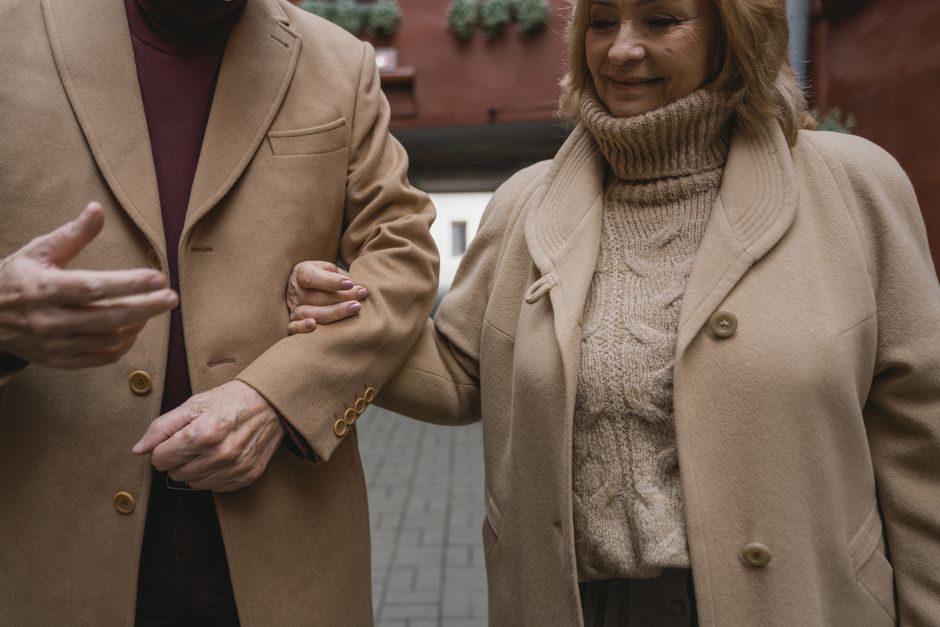
My recommendation is a midweight, single-breasted overcoat in charcoal or navy. It covers a blazer, works with jeans, reaches far enough down the body to add warmth, and looks credible at work without forcing you into a formal wardrobe; a 20 to 24 ounce wool fabric is a useful target, while a simple notch lapel and three-button closure keep the coat from looking tied to one season or trend.
The reason is practical rather than glamorous: one adaptable overcoat replaces several narrow purchases. A peacoat is excellent with casual clothes, but its short hem leaves your lower body exposed and its wide collar can look awkward over a slim business jacket; a lightweight topcoat looks sharp in a heated city commute, yet it can disappoint when wind and wet weather arrive. A midweight overcoat sits between those extremes and gives you the highest number of useful outfits per dollar.
Pick the Uniqlo Wool-Blend Chesterfield Coat, usually around $149.90, if your budget is tight and your winters are moderate. Pick the J.Crew Ludlow Topcoat around $398 if office wear matters more than maximum insulation. For harsh wind or long outdoor commutes, choose the heavier Schott NYC 740 Peacoat around $395 instead of pretending a thin topcoat will do the same job.
Five wool coat mistakes that waste money
The fastest way to make a bad purchase is to shop from the product photo alone. These checks catch the problems that brands rarely highlight.
Red flags at the rack or checkout
- Buying a coat that only fits over a T-shirt. Test it over your thickest normal layer.
- Choosing black because it seems safe. Charcoal and navy pair with more trousers and show less lint.
- Ignoring the hem. A short coat exposes a blazer; an overly long coat can drag down a casual outfit.
- Paying for cashmere softness when you need wind protection. Dense wool often performs better outdoors.
- Assuming a double-breasted coat is warmer. Gaps around the neck and sleeves matter more than button count.
- Buying a slim coat with narrow armholes. You will stop wearing it once winter layering begins.
- Skipping the lining check. Rough or loose lining can snag sweaters and fail before the outer fabric.
- Trusting a sale price without checking the return policy. Final-sale outerwear is risky when sizing varies by brand.
When not to buy wool
Do not buy a wool coat if you need machine washing, heavy rain protection, or a very light travel layer. A technical insulated jacket handles wet weather and repeated washing better. Wool is the right choice for structure, odor resistance, and smart city wear, not every climate or activity.
Bottom Line: The most expensive mistake is buying a beautiful coat that cannot fit over your real winter clothes.
What to buy at three budgets, and how to pay
What is the best coat under $200?
The Uniqlo Wool-Blend Chesterfield Coat, around $149.90, is the clear budget pick for mild winters and office commutes. Expect a cleaner appearance than a puffer, but do not expect the dense warmth of a heavy melton peacoat. Leave room in the budget for tailoring if the sleeves run long; a $25 to $60 sleeve adjustment can improve the result more than moving to a slightly fancier label.
Match the final coat to your actual week
Choose the overcoat when your wardrobe needs one reliable answer
Pick a charcoal single-breasted overcoat if you wear suits, knit polos, chinos, and dark denim in the same week. It gives you the broadest outfit range and the easiest layering. A midweight wool version is the strongest first purchase because it works through more temperatures than either a very heavy peacoat or a thin topcoat.
Choose the peacoat or topcoat for a narrower job
Choose the Schott NYC 740 Peacoat if your wardrobe is mostly jeans, boots, flannel, and sweaters, and you spend more time driving or walking short distances. Choose the J.Crew Ludlow Topcoat if your work wardrobe is polished but your climate is moderate. Choose the Uniqlo Wool-Blend Chesterfield Coat when the budget ceiling is $200 and you need a presentable daily layer now.
Skip all three if you live in constant rain or need technical warmth for long outdoor exposure. For the typical city wardrobe, though, the final recommendation is clear: buy a charcoal, midweight overcoat with enough chest room for a blazer, then have the sleeves adjusted if needed. That cut gives the best balance of warmth, fit, repeat wear, and cost.