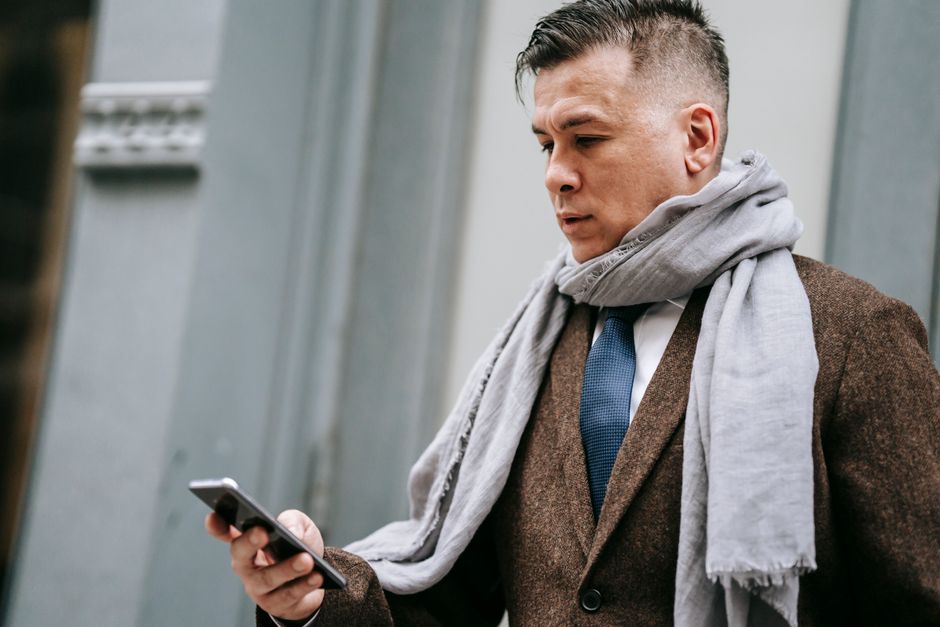
One inch of exposed shirt cuff can make a jacket look tailored. One inch of extra trouser break can make the same outfit look careless. Smart-casual dressing works through small choices, not expensive labels.
What Does Men’s Smart-Casual Dress Code Really Mean?
The short definition
Smart-casual means polished clothing with enough ease for normal movement. It sits between formal officewear and relaxed weekend clothes. A button-up shirt, clean trousers, leather shoes, and an unstructured jacket fit the brief. A wrinkled T-shirt, gym sneakers, and distressed denim usually do not.
The key is balance. If one piece feels relaxed, another piece should bring structure. A knit polo can work with pressed wool trousers. Dark jeans can work with a merino sweater and clean leather loafers. The outfit needs a clear point of control.
How the dress code changes by setting
| Setting | Best starting outfit | Detail that controls the level |
|---|---|---|
| Creative office | Oxford shirt, dark jeans, loafers | Use a clean hem and no fading at the thighs |
| Client lunch | Button-up shirt, chinos, leather derbies | Add a navy jacket or fine-gauge sweater |
| Restaurant dinner | Merino knit, wool trousers, loafers | Choose darker colors and a sharp trouser line |
| Casual wedding event | Unstructured blazer, dress shirt, tailored trousers | Wear a leather belt and polished shoes |
| Weekend gathering | Knit polo, chinos, clean minimalist sneakers | Keep the sneakers plain and in good condition |
Best rule: start one step smarter than you think the event requires. Removing a jacket is easy. Recovering from an outfit that looks too casual is harder.
How to Build a Smart-Casual Outfit From Scratch
Start with the visual anchor
Pick one structured item first. That might be a navy jacket, pressed trousers, or a crisp Oxford shirt. This anchor gives the outfit a clear direction. Without it, smart-casual can turn into a pile of unrelated basics.
Next, add one relaxed item. Pair a soft knit polo with tailored trousers. Wear dark denim with a structured overshirt. Use a suede loafer with a cotton trouser instead of a shiny formal shoe. The contrast makes the outfit feel intentional.
Use a simple three-part formula
Most reliable outfits contain three layers of formality: a polished base, a comfortable middle, and a clean finishing detail. For example, use a white button-up shirt as the polished base, a textured cardigan as the comfortable middle, and leather loafers as the finishing detail.
Color should support the structure. Navy, gray, olive, cream, brown, and white are easy to combine. A dark trouser with a lighter shirt creates a clear vertical line. Tonal dressing also works, such as a stone shirt with taupe trousers, but the textures must differ so the outfit does not look flat.
The five-minute dressing check
- Check the shoulder seam. It should sit close to the edge of your shoulder without pulling.
- Check the collar. It should stand neatly under a jacket and avoid a wide gap at the neck.
- Check the shirt length. The hem should stay tucked during normal movement.
- Check the trouser break. A slight break is safe; heavy bunching looks untidy.
- Check the shoes. Remove pairs with visible grime, damaged heels, or collapsing uppers.
This process works because smart-casual style is mostly about proportion and condition. A modest outfit that fits well beats a costly outfit with sleeves that are too long.
Why Fit Matters More Than Brand or Price
Fit is the strongest smart-casual signal. A well-fitting $60 shirt looks more credible than a poorly altered designer shirt. The goal is not tight clothing. The goal is clean lines with enough room to sit, reach, and breathe.
Three measurements to fix first
Start with the shoulders, sleeve length, and trouser rise. Shoulder seams that sit more than about half an inch beyond the shoulder make a jacket look borrowed. Shirt cuffs should reach the wrist bone. Jacket sleeves can finish slightly higher so roughly half an inch of shirt cuff shows.
Trousers need room through the seat and upper thigh without excess fabric folding below the waistband. The rise should let you sit without the waistband cutting into your stomach. If the rise is wrong, no belt can correct the shape.
What tailoring can and cannot repair
A tailor can shorten sleeves, adjust trouser hems, reduce a shirt’s side seams, and refine a jacket waist. These are practical changes. A tailor cannot fix shoulders that are dramatically too wide, a jacket with armholes set too low, or trousers with a rise that fights your body.
Try clothing while standing and sitting. Raise both arms. Walk ten steps. If the jacket pulls across the back or the trousers slide down, the pattern is wrong for you. Choose a better base size before paying for alterations.
The verdict is simple: spend less on the label and reserve part of the budget for alterations. Smart-casual clothing succeeds when the garment follows your shape without announcing that it has been adjusted.
Which Smart-Casual Garments Earn Their Place?

Choose versatile staples before statement pieces. The best smart-casual wardrobe covers several settings with a small number of reliable garments. Products can help as reference points, but the underlying features matter more than the logo.
Four useful reference pieces
The Uniqlo Oxford Slim Fit Shirt is a useful reference for a crisp cotton button-up with a casual surface. Look for a collar that holds its shape and a body that does not balloon below the chest.
J.Crew 484 chinos show the value of a tapered trouser with moderate stretch. The right pair should leave room at the thigh and narrow gently toward the ankle, without clinging to the calf.
Allen Edmonds Strand cap-toe oxfords demonstrate a dressier end of smart-casual. Their leather construction suits client meetings and dinners, but the brogue detailing makes them less severe than a plain formal oxford.
Clarks Desert Boots sit at the relaxed end. Suede, a crepe-style sole, and a simple ankle shape work well with dark denim, cords, or casual chinos. They are a poor choice for events that call for polished formal shoes.
When not to buy the obvious choice
Do not buy a blazer just because the dress code contains the word smart. A stiff suit jacket worn with casual trousers often looks mismatched. Choose an unstructured jacket with patch pockets if you want relaxed tailoring.
Do not buy white minimalist sneakers if you will not maintain them. Scuffed rubber and dirty laces lower the entire outfit. Brown loafers, clean derbies, or simple leather boots can be more practical for regular wear.
For most men, the best first purchase is a well-fitting dark trouser or chino. It works with shirts, sweaters, jackets, and polos, so it solves more outfit problems than a distinctive jacket.
Smart-Casual Dress Code Questions, Answered
Can I wear jeans to a smart-casual event?
Yes, if the jeans are dark, clean, and free from rips or heavy fading. A straight or gently tapered cut is safer than a very skinny or oversized shape. Pair them with a button-up shirt, knit sweater, or unstructured jacket. Avoid pairing jeans with a graphic tee and athletic sneakers when the event has clients, senior colleagues, or a formal restaurant setting.
Can I wear a T-shirt with smart-casual clothing?
Yes, but choose a dense cotton or fine merino T-shirt with a clean neckline and no visible logo. Wear it under a relaxed jacket or overshirt. The T-shirt should look like part of the outfit, not like sleepwear that happens to be clean. A bright gym shirt, stretched collar, or thin fabric weakens the whole look.
Are sneakers allowed?
Clean, simple sneakers can work. Low-profile leather or canvas styles are the safest. Avoid running shoes with thick performance soles, bright contrast panels, or visible technical mesh unless the setting is clearly casual. The shoe must match the rest of the outfit’s level of polish. A sleek sneaker with wool trousers can look sharper than a damaged dress shoe.
The best answer to each question is the same: judge the whole outfit, not one garment in isolation. Smart-casual has room for relaxed pieces, but every relaxed choice needs support from fit, fabric, color, or condition.
Six Mistakes That Break the Dress Code

The common failure modes
- Wearing a suit jacket as a blazer: matching suit fabric often looks too formal and too thin when separated from its trousers.
- Mixing too many casual signals: a hoodie, ripped jeans, running shoes, and a baseball cap create a casual outfit, not a smart-casual one.
- Ignoring fabric weight: a flimsy shirt under a heavy jacket looks unbalanced. Match lightweight cotton with lighter layers and substantial fabrics with structured pieces.
- Choosing the wrong trouser length: large folds at the ankle make even good trousers look cheap. Aim for a slight break or a clean no-break finish.
- Using accessories as decoration: oversized watches, loud belts, and novelty socks distract from weak proportions. Keep accessories quiet until the fit is right.
- Dressing for the most casual person: the relaxed colleague may be comfortable in sneakers and a T-shirt, but that does not set the standard for a client meeting or dinner reservation.
The final decision rule
Before leaving, identify the most formal item and the most relaxed item. If the gap between them is too wide, replace one piece. A formal leather oxford with ripped denim creates tension that may look accidental. A knit polo with tailored trousers creates a controlled contrast.
For a first smart-casual wardrobe, choose a dark tailored trouser, a white or pale-blue Oxford shirt, a navy unstructured jacket, a fine-gauge sweater, and clean leather shoes. That combination covers work dinners, creative offices, and most social events. It is the clearest recommendation because it gives you structure, comfort, and enough range without relying on trend pieces.