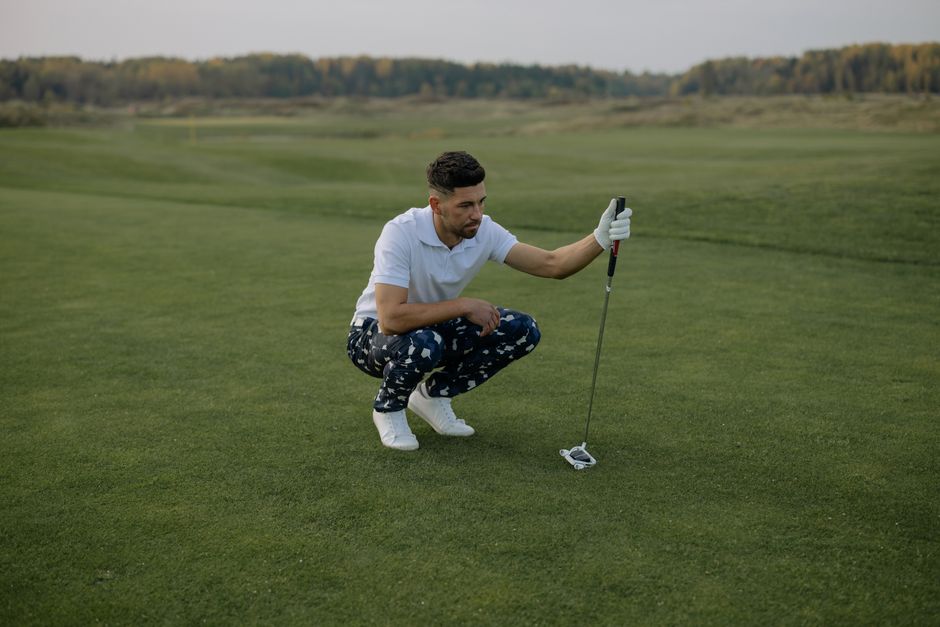
A common misconception is that a polo shirt fits well when the collar sits neatly. The collar matters, but shoulder width, chest room, sleeve position, and hem length decide far more. A polo can have a perfect collar and still make your torso look boxy or your arms look crowded.
This men’s polo shirt fit guide treats sizing as a measurement problem, not a label problem. A medium in one brand can fit like a small or large in another.
The biggest polo fit myth is that tighter always looks sharper
Myth: slim means the shirt should cling
A slim polo should follow the line of your torso without tracing every rib or pulling across the buttons. When the placket forms diagonal wrinkles, the chest is too tight. When the fabric rises toward your armpits as you lift one arm, the armhole or chest is too small. Those signs do not show athletic tailoring. They show restricted movement.
The best everyday fit leaves about 1 to 2 inches of extra fabric at the chest when measured flat against the body. You should be able to pinch a small fold at each side without gathering a fistful of cloth. That allowance keeps the shirt clean while letting you drive, sit, and reach forward.
Verdict: choose controlled room, not compression
For most men, a trim regular fit is the safest starting point. Size down only when the shoulder seam still lands exactly at the shoulder bone and the buttons lie flat. If either test fails, the smaller size is not sharper; it is simply too small.
Measure your body in this order before buying
1. Start with the chest and shoulders
- Wrap a soft tape around the fullest part of your chest. Keep the tape level across your shoulder blades and under your armpits.
- Record the number without pulling the tape tight. Add 2 to 4 inches for a normal polo fit, depending on how close you want the shirt to sit.
- Check shoulder width next. The seam should end near the point where your shoulder slopes into your upper arm.
Chest measurement chooses the size; shoulder placement confirms it. If a shirt fits your chest but the seam drops onto your upper arm, do not fix the problem by shrinking one size. Find a narrower cut instead.
2. Check sleeve and hem length
- The sleeve should finish around the middle of the upper arm, usually 2 to 4 inches above the elbow.
- The hem should cover the waistband and stop near the middle of the fly when worn untucked.
- Raise both arms, sit down, and reach forward. If the hem exposes your stomach or the sleeves ride high, the shirt is too short.
Measure a polo you already like from shoulder seam to hem, then compare that length with the online size chart. This simple comparison beats guessing from S, M, or L.
Good polo fit is built around movement, not a mannequin pose
Why the armhole changes the whole shirt
The armhole is the opening where the sleeve joins the body. A high armhole usually gives a cleaner outline because less fabric hangs beneath the armpit. It should still allow you to move your arms without the body of the shirt lifting several inches. A low armhole creates the opposite problem: the shirt may feel loose, but excess fabric bunches near the ribs and makes the torso look wider.
Test the armhole by crossing your arms, reaching for a shelf, and placing both hands on your hips. The fabric should move with your body rather than pulling the collar forward. If the collar shifts dramatically, the shoulder or armhole is wrong even if the chest measurement looks acceptable.
Why the collar and placket need separate checks
A polo collar should lie flat without curling at the points. The top button should remain optional, but the opening should not spread so far that the shirt looks strained. A two-button placket often gives a cleaner line on a narrow chest, while a three-button placket can give more room around the neck. Neither option fixes a poor shoulder fit.
The strongest test is a ten-minute wear test at home. Walk, sit, bend, and lift your arms. Keep the tags attached until the shirt passes all four movements. For most men, comfort during motion is the clearest sign that the pattern works.
Fit questions answered before you remove the tags

Should a polo shirt be tucked in or left untucked?
Leave it untucked when the hem ends near the middle of the fly and the side seams hang straight. Tuck it in when the shirt is long enough to stay secured under a belt without ballooning above the waistband. A long-tail golf polo is designed for tucking; a shorter casual polo usually looks better outside the trousers.
Should polo sleeves be tight around the arm?
The sleeve should touch the arm lightly but allow two fingers to slide underneath. A sleeve that grips the biceps can make the shirt look undersized and creates a visible band when you bend your arm. A sleeve that hangs several inches from the arm adds bulk and usually signals a low armhole or wide cut.
Is a polo supposed to be longer in the back?
A small rear drop is useful for movement and coverage, especially in a golf or tennis polo. A large tail that reaches below the seat looks untidy when worn untucked. If you want one shirt for both tucked and untucked wear, choose a moderate rear drop and a hem that reaches the middle of the fly.
My verdict: buy for the shoulder and chest first, then judge the collar, sleeve, and hem. Those details cannot rescue a body that is the wrong size.
Classic, slim, and athletic cuts solve different problems
Use this chart before choosing a cut
| Cut | Best use | Typical chest ease | Main risk |
|---|---|---|---|
| Classic | Relaxed office-casual wear | 4 to 6 inches | Extra fabric at the waist |
| Regular | One polo for most settings | 2 to 4 inches | May feel plain on a narrow torso |
| Slim | Layering under a jacket | 1 to 3 inches | Pulling across the chest |
| Athletic | Broad shoulders with a smaller waist | Chest room with a tapered waist | Harder to find off the rack |
The regular cut is my clear winner for a first polo. It gives enough room for movement without the loose waist of many classic shirts. Choose slim when you have a narrow or straight torso and want a close outline. Choose athletic when your shoulders and chest need room but a standard cut leaves too much fabric at the waist.
When not to buy the wrong cut
Do not buy a classic fit just because the chest feels comfortable if the waist hangs like a box. Do not buy slim if the side seams twist toward the front. A tailor can shorten a hem or narrow a waist, but changing a shoulder or armhole often costs more than the shirt. The correct cut reduces alteration risk before you pay.
Three real polos show how price and fit trade off
Best value: Uniqlo AIRism Cotton Pique Polo Shirt
The Uniqlo AIRism Cotton Pique Polo Shirt is the practical choice for a hot commute or a casual wardrobe. Uniqlo lists it in men’s sizes from XXS through 3XL, with a regular retail price of $29.90 in the United States at the time checked. Its clean outline works best when you choose the size that leaves room across the chest but does not balloon at the waist. Buy this one for repeat wear, easy care, and a modest price.
Best classic shape: Lacoste L.12.12
The Lacoste L.12.12 Original Polo costs $95 at its listed full price and uses 100% cotton petit piqué. Lacoste describes it as a classic fit, but the brand also warns that it runs small. Size up when the placket pulls or the sleeve grips your arm. This is the best pick for a traditional polo silhouette, not for someone seeking a very close modern fit.
Best polished slim option: Ralph Lauren Custom Slim Fit
The Ralph Lauren Custom Slim Fit Mesh Polo lists at $120 and gives a more shaped torso than a classic polo. Choose it for chinos, tailored shorts, or a lightweight jacket. Skip it if you need generous room at the stomach or upper arm. At that price, a pulling placket is a clear reason to return it rather than hope the fabric relaxes.
Choose the fit by use case, then compare the tradeoffs
The short verdict
For one dependable polo, buy a regular cut with a flat collar, mid-upper-arm sleeves, and a hem that reaches the middle of the fly. For a relaxed weekend outfit, choose classic. For jacket layering, choose slim only after the chest and shoulder tests pass. The correct polo should look intentional while standing still and remain comfortable after ten minutes of movement.
Final comparison
| Your priority | Best choice | Why | Do not choose it when |
|---|---|---|---|
| Low cost and frequent wear | Uniqlo AIRism Cotton Pique | $29.90 listed price; XXS–3XL range | You need a luxury texture or structured collar |
| Traditional polo style | Lacoste L.12.12 | Classic fit, 100% cotton, signature piqué | You want a loose modern streetwear shape |
| Sharper fitted outline | Ralph Lauren Custom Slim Fit | Trim mesh construction and shaped torso | Your chest or arms need extra room |
| One versatile wardrobe polo | Regular fit | Balances movement, layering, and untucked length | You specifically want a relaxed or close fit |
Fit labels help you narrow the search, but your measurements make the final decision. A polo earns its place when the seams stay still, the buttons lie flat, and the hem keeps its shape through real movement.