
You shower before work, put on a stick, and still notice a damp patch under your arms by lunchtime. Or you stay dry through a long meeting but catch a sour smell on your shirt later that evening. Those problems look similar, yet they need different products.
Deodorant controls odor. Antiperspirant reduces sweat. Some products do both, but the distinction matters when you are choosing a daily routine. The best choice for most men is not the strongest formula on the shelf. It is the product that matches the actual problem: smell, wetness, irritation, or a mix of all three.
Deodorant vs antiperspirant: what is the real difference?
Deodorant targets odor, not sweat
Deodorant does not stop your underarms from sweating. It works on the smell that develops when skin bacteria break down compounds in sweat. Most formulas use fragrance to cover odor and ingredients such as baking soda, magnesium compounds, or antibacterial agents to reduce the smell itself. Aluminum-free deodorants sit in this category, although some brands use the word loosely on packaging.
That makes deodorant a good choice for men who sweat a normal amount but dislike scented body odor. It also suits people who want to avoid aluminum antiperspirant ingredients. The trade-off is simple: your shirt may still become damp, especially during heat, exercise, public speaking, or a long commute.
Antiperspirant reduces wetness at the source
Antiperspirant uses aluminum salts to form temporary plugs near the openings of sweat ducts. Those plugs reduce the amount of sweat reaching the skin surface. Your body still sweats elsewhere, and the effect wears off as the product washes away or the plugs break down.
| Question | Deodorant | Antiperspirant |
|---|---|---|
| Primary job | Reduce or mask odor | Reduce underarm wetness |
| Stops sweating | No | Yes, in the treated area |
| Common active type | Fragrance, antibacterial, or odor-binding ingredients | Aluminum salts such as aluminum zirconium |
| Best for | Normal sweat with odor concerns | Visible sweat, damp shirts, or sweat anxiety |
| Main drawback | Does not prevent wet patches | Can irritate sensitive skin if overused |
My basic verdict is direct: choose deodorant when smell is the issue, antiperspirant when wetness is the issue, and a combined product when both problems show up together.
Why do men sweat and smell in the first place?
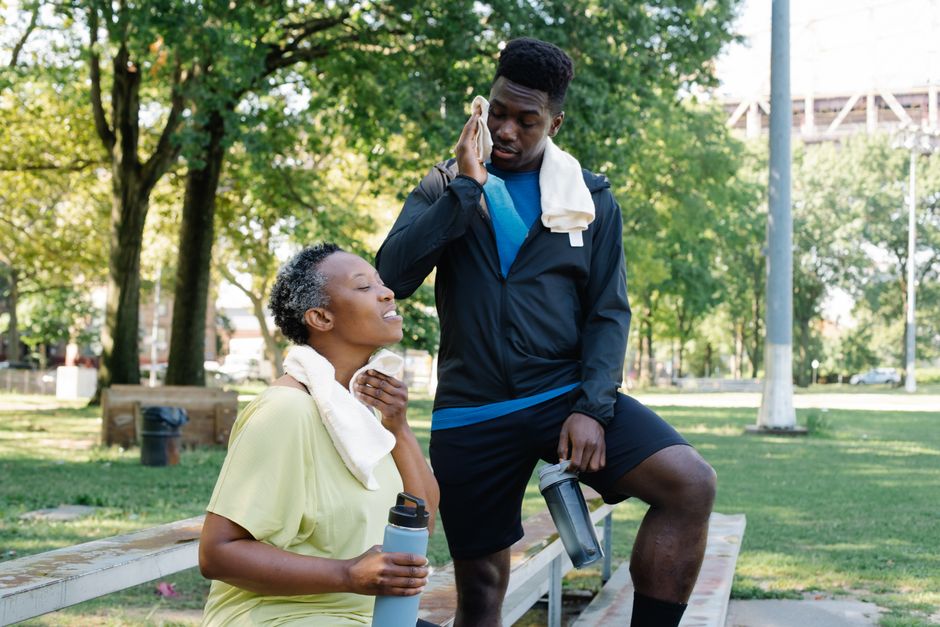
Sweat itself is not the main source of odor
Fresh sweat usually has little smell. Your underarms contain eccrine glands, which release a watery fluid for cooling, and apocrine glands, which release a thicker fluid after puberty. The apocrine fluid contains fats and proteins. Skin bacteria feed on those compounds and create the sharp, musky, or sour odor people associate with body odor.
This explains why sweating and smelling are separate problems. A man can sweat heavily without producing strong odor, while another man can produce noticeable odor with only a small amount of visible moisture. Fabric makes the situation harder. Polyester and other synthetic fibers can hold odor compounds close to the skin, while cotton absorbs moisture but may stay wet for longer.
Heat, stress, clothing, and hair all change the result
Temperature increases ordinary cooling sweat. Stress can trigger a different mix of sweat from the apocrine glands, which often creates a stronger smell after bacteria break it down. Tight shirts trap heat and slow evaporation. Dense underarm hair can hold fragrance, sweat, and bacteria against the skin, though shaving is not a requirement for good hygiene.
Your routine matters as much as the stick you buy. Wearing a clean shirt, washing thoroughly, drying the skin, and changing out of damp clothing can lower odor without stronger chemicals. If you suddenly develop a powerful odor despite normal washing, or if sweating soaks clothing in cool rooms, talk with a clinician. A product aisle cannot diagnose a medical issue.
The first-principles answer is useful: deodorant manages the chemistry of smell, while antiperspirant manages the flow of moisture. Neither replaces washing, clean clothing, or medical advice for unusual symptoms. For ordinary daily grooming, identify the source of the problem before choosing the label.
My clear pick: use antiperspirant for sweat, deodorant for normal moisture
My recommendation is to start with a regular antiperspirant if damp underarms are your main complaint. It gives you the most practical benefit during office days, weddings, travel, and warm commutes because it addresses visible sweat instead of only covering the smell.
Best for heavy workdays and visible sweat
Degree Men Cool Rush Antiperspirant 72-Hour is a sensible first try for men who want a common drugstore formula and a strong cooling scent. Typical U.S. pricing in 2026 sits around $5 to $8 for a standard stick, depending on the store and pack size. The 72-hour claim does not mean every man will stay dry for three full days. Treat it as a sign that the formula aims for extended protection, not a promise that replaces daily washing.
Dove Men+Care Clean Comfort Antiperspirant 48-Hour costs roughly $6 to $9 and makes a better pick for men who dislike aggressive fragrance. Its comfort-focused formula suits ordinary workdays and moderate sweating. My verdict: choose Dove Men+Care over Degree when scent and skin feel matter more than the longest label claim.
Best for odor without a wetness problem
Old Spice High Endurance Deodorant is the clearer choice when you sweat normally but want noticeable fragrance and odor coverage. A standard stick often costs about $4 to $7. It contains no antiperspirant sweat-blocking ingredient, so it will not solve damp shirt marks. Native Men Deodorant, commonly priced around $13 to $15, offers another aluminum-free option with a softer fragrance profile and a creamier feel.
My verdict is equally clear: use Old Spice for a bold, inexpensive scent; use Native when you want an aluminum-free formula and are willing to pay more. Neither product should be judged by how dry it keeps you, because that is not their main job.
How should you apply deodorant or antiperspirant?
The reliable morning routine
Application technique can make an average product feel ineffective. Follow this sequence:
- Wash your underarms with soap, especially after exercise or a hot day.
- Dry the skin completely with a towel. Damp skin dilutes the product and increases stinging.
- Apply two to four passes per underarm. More product does not automatically create more protection.
- Let the product dry before putting on a close-fitting shirt.
- Wash the area at night if residue, itching, or buildup develops.
Use deodorant after showering when odor control is the priority. Use antiperspirant on completely dry skin, often at night, when sweat gland activity is lower. Night application gives the aluminum salts more time to settle before heat and movement start the next day. You can wash in the morning without losing the entire effect.
What to do before exercise, shaving, or sleep
Do not apply antiperspirant immediately after shaving. Freshly shaved skin has tiny cuts and a more exposed surface, so alcohol, fragrance, and aluminum salts can burn. Wait several hours, or shave at night and apply antiperspirant the following evening.
Before exercise, deodorant can improve smell, but it cannot turn a hot workout into a dry one. Antiperspirant works best as part of a regular routine rather than as a last-minute rescue. If you know you sweat heavily during a morning run, apply the product the night before and wear a clean, breathable shirt.
For either product, test a small area first if you have reactive skin. Stop using it if you develop swelling, blistering, severe itching, or a spreading rash. A stronger stick is not worth forcing through a skin reaction.
Why does antiperspirant fail or irritate skin?
Why am I still sweating after applying it?
Common reasons include applying it to damp skin, using too little, washing it off immediately, or expecting a regular formula to handle unusually heavy sweating. Some men also apply antiperspirant only after sweat has already started. That timing makes the product work harder because moisture prevents an even layer from drying.
Give a standard formula several nights of consistent use before judging it. Follow the label rather than adding thick layers. If your shirt becomes soaked even in cool conditions, a pharmacist or clinician can discuss stronger options, including prescription treatments.
Why does it sting or leave a rash?
Fragrance, alcohol, propylene glycol, and aluminum salts can bother sensitive skin. Heat and shaving increase the risk. Redness that fades quickly may reflect irritation, but persistent itching, swelling, or a sharply defined rash deserves medical attention. Switch to a fragrance-free product and pause application until the skin settles.
Does stronger always mean better?
No. Certain Dri Prescription Strength Roll-On contains 12% aluminum chloride and costs roughly $8 to $12 in many U.S. stores. It can help men with serious underarm sweating, but it also has a higher irritation risk than an everyday stick. Apply it only to completely dry skin and follow the label closely.
My verdict: do not jump to a clinical-strength roll-on because a normal product failed after one morning. Fix the application method first. Move to a stronger formula only when ordinary antiperspirant, used correctly for several days, cannot control the problem.