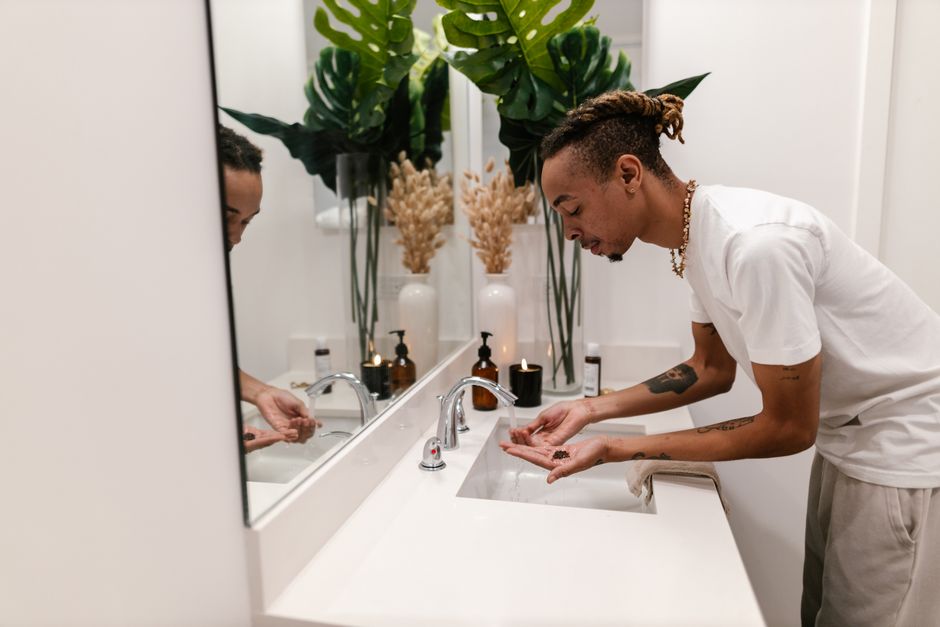
At 7:30 on a cold Monday morning, a man pulls on a black sweater, adjusts his wool hat, and sees white flakes across his shoulders. His scalp feels tight after a hot shower, but the itch returns before lunch. That pattern can come from dry skin, dandruff, product buildup, or a skin condition that needs medical care. The correct response starts with identifying the problem instead of buying the strongest bottle on the shelf.
This guide treats the issue as a practical buyer decision: identify the type of flaking, choose the right active ingredient, use it correctly, and know when self-care has reached its limit. Prices below are typical U.S. prices checked for 2026 and may change by retailer.
Why cold weather creates flakes and itch
Dry scalp and dandruff are not the same condition
Cold air holds less moisture than warm air. Indoor heating lowers humidity further, while hot showers wash away some of the scalp’s surface oils. The result can be a tight, dry feeling with small, loose white flakes. Dry scalp often improves when a person lowers the water temperature, washes more gently, and stops using heavily fragranced products.
Dandruff follows a different pattern. It often produces recurring flakes, itching, and oilier or slightly yellow scale. A naturally occurring scalp yeast called Malassezia can contribute to the process, especially when oil and skin-cell turnover create favorable conditions. Cold weather may make the symptoms more visible, but winter alone does not explain every case.
What the itch pattern can tell you
Flakes that appear mainly after a hot shower point toward dryness or irritation. Flaking that returns within a day or two, collects around the hairline, or comes with greasy scale points more toward dandruff. Redness behind the ears, around the eyebrows, or along the sides of the nose raises the possibility of seborrheic dermatitis. Thick, sharply defined, silvery plaques can occur with psoriasis.
The first verdict is simple: do not treat every white flake as ordinary dryness. A moisturizing routine can help a dry scalp, but it will not address a recurring dandruff pattern on its own. Persistent redness, pain, crusting, pus, sudden hair loss, or bleeding calls for a dermatologist rather than a stronger over-the-counter shampoo.
How to wash a winter scalp without making it worse
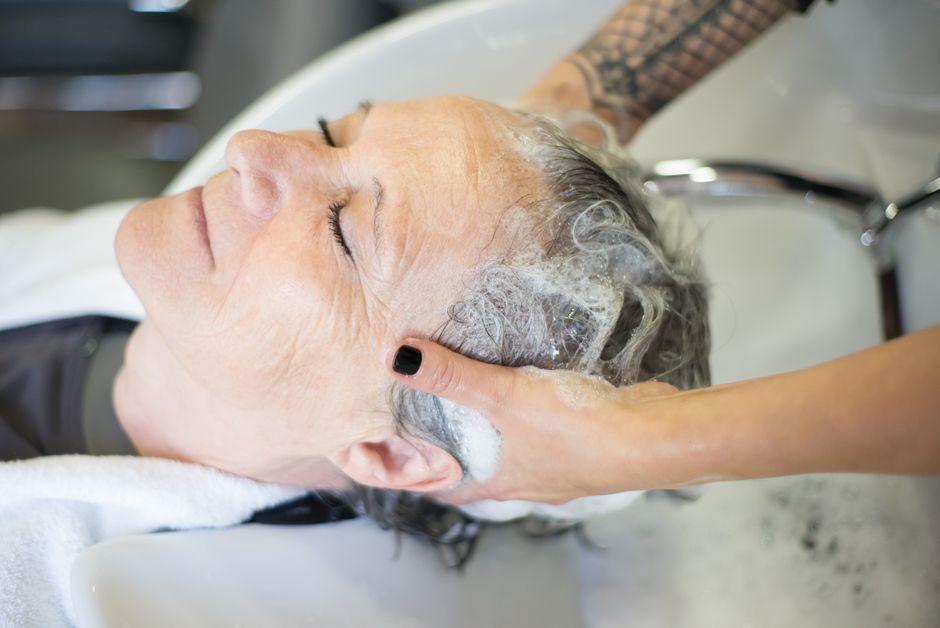
A six-step routine for cold, dry months
- Use lukewarm water. Hot water can leave an already dry scalp feeling tighter and more irritated.
- Wet the scalp fully before applying shampoo. A small amount spread across the fingertips works better than one large blob placed in one spot.
- Massage with the pads of your fingers for about 30 seconds. Do not use fingernails, a rough brush, or a scratchy scalp tool.
- Keep medicated shampoo on the scalp for the time printed on its label. Rinsing immediately removes much of the contact time the active ingredient needs.
- Rinse until the water runs clear. Residue from styling cream, dry shampoo, or medicated shampoo can create its own itch.
- Apply conditioner to the hair lengths, not directly to a flaky scalp. This protects dry ends without adding another layer of buildup at the roots.
How often should a man shampoo in winter?
There is no universal wash schedule. An oily scalp, frequent gym sessions, daily hat use, or heavy styling products may require washing most days. Coily, curly, color-treated, or very dry hair may need less frequent washing while the scalp still receives regular cleansing. The useful rule is to wash often enough to remove sweat, oil, and styling residue without leaving the scalp tight or burning.
For a medicated shampoo, follow the package directions rather than inventing a stronger schedule. More applications do not automatically mean faster relief. If a formula causes burning, swelling, or a spreading rash, stop using it and seek medical advice. For most men with winter flaking, this careful routine is a better starting point than rotating through five new products in one week.
Which anti-dandruff shampoo is worth buying?
My overall pick for stubborn, oily flakes is Head & Shoulders Clinical Strength with 1% selenium sulfide. It offers a strong over-the-counter active at a low cost. For a recurring pattern that has not improved with ordinary shampoo, Nizoral A-D is the better ketoconazole choice. Neither product is the right answer for every scalp, and a nonmedicated cleanser may be the smarter purchase when fragrance or irritation is the main problem.
Four useful options compared
| Product | Active or formula | Size and typical 2026 price | Best use |
|---|---|---|---|
| Head & Shoulders Clinical Strength Advanced Oil Control | 1% selenium sulfide | 13.5 fl oz, about $11.97 | Oily, stubborn flakes and recurring itch |
| Nizoral A-D Anti-Dandruff Shampoo | 1% ketoconazole | 7 fl oz, about $16.88 | Recurring dandruff that needs an antifungal option |
| Neutrogena T/Sal Therapeutic Shampoo | 3% salicylic acid | 4.5 fl oz, about $15.01 | Thick scale and scalp buildup |
| Vanicream Shampoo | Nonmedicated, fragrance-free formula | 12 fl oz, commonly $12–16 | Sensitive scalp or daily gentle cleansing |
The specific tradeoffs behind the table
Head & Shoulders Clinical Strength is the best first purchase for a man with oily, persistent dandruff because selenium sulfide targets a major driver of dandruff and the bottle is inexpensive enough for a proper trial. Nizoral A-D is the better alternative when a person prefers ketoconazole or has not responded to another active ingredient. Its 1% concentration is an over-the-counter formula, so it should not be treated as identical to prescription-strength ketoconazole.
Neutrogena T/Sal is a scale-management product, not my first choice for a dry, irritated scalp. Salicylic acid can loosen thick buildup, but frequent use may feel harsh when the scalp barrier is already compromised. Vanicream Shampoo is the clearest choice for fragrance-sensitive skin and routine cleansing, but it is not a substitute for a medicated dandruff treatment when flakes keep returning. Prices are shelf examples, not promises, and the active ingredient on the current label matters more than the brand name on the front.
Common winter scalp mistakes and when not to self-treat
Do not keep escalating products when the diagnosis is unclear. That is the fastest way to turn mild winter dryness into contact irritation. A shampoo that tingles is not automatically working, and a stronger scent is not proof of cleaner hair.
Failure modes that keep the itch alive
- Scratching with fingernails, which can create small breaks in the skin and increase soreness.
- Using very hot water because it feels soothing for a few minutes.
- Applying heavy pomade, hair oil, or wax directly to a flaky scalp and then blaming the shampoo for extra buildup.
- Switching active ingredients every few days before any product has had a fair label-directed trial.
- Using a harsh scrub to lift scale instead of allowing a suitable treatment shampoo to loosen it gradually.
- Assuming a wool hat caused dandruff when trapped sweat, oil, and infrequent washing are the more likely contributors.
Signs that require a clinician
Arrange medical care when symptoms last several weeks despite correct use, spread to the face or ears, produce thick plaques, or cause significant redness, pain, oozing, or hair loss. A dermatologist can distinguish dandruff from psoriasis, eczema, fungal infection, allergic contact dermatitis, or another scalp disorder. Do not apply steroid creams, antifungal creams, or essential oils to the scalp without checking whether the product is suitable for that area.
No state law is being discussed here; this is general U.S. grooming and health information. This is not legal advice — consult a licensed attorney. For medical questions, consult a licensed healthcare professional, especially when symptoms are severe or unusual.
Winter scalp care questions men ask before buying
Should the first purchase be a gentle shampoo or a medicated one?
If the scalp feels tight and produces tiny dry flakes only after hot showers, choose Vanicream Shampoo and fix the washing routine first. If the scalp is oily, repeatedly itchy, or produces flakes every few days, choose Head & Shoulders Clinical Strength with 1% selenium sulfide. That is my clear first-line buying decision for stubborn dandruff because it combines a proven active with a modest price. Use it according to the label and judge the trend over the following weeks, not after one shower.
When should someone choose Nizoral A-D or T/Sal instead?
Choose Nizoral A-D when recurring dandruff remains the main problem and you want a 1% ketoconazole formula. Choose T/Sal when thick scale or product buildup is blocking the scalp and needs loosening. Do not buy T/Sal simply because the bottle sounds stronger; salicylic acid solves a different part of the problem and may feel too drying for a sensitive scalp. For fragrance sensitivity, Vanicream is the better daily cleanser, while a separate medicated product can be used only as directed if dandruff is also present.
What is the final winter routine?
Wash with lukewarm water, massage gently, keep treatment shampoo on the scalp for its labeled contact time, rinse well, and condition the hair rather than the roots. Keep hats clean and avoid sharing combs or brushes. If there is no meaningful improvement after a proper trial, stop buying random bottles and book a dermatology appointment.
By the following Monday, the man in the black sweater has a plan: a gentle wash when the scalp is simply dry, a correctly used medicated shampoo when recurring dandruff appears, and medical help if the pattern looks inflamed or unusual. The flakes are no longer a mystery under his wool hat, and that clarity is what makes the routine work.