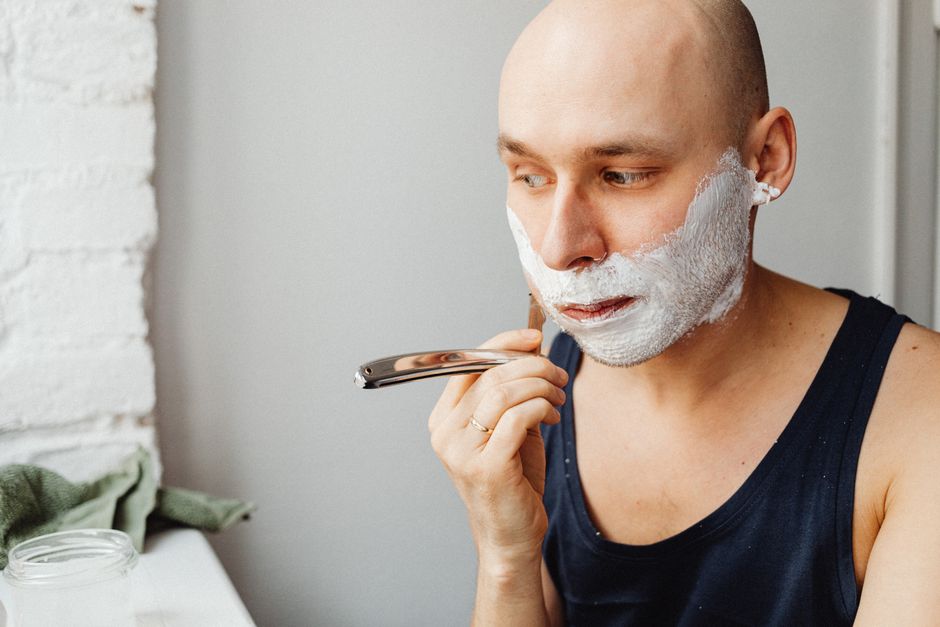
Shaving your head does not make your hair grow back thicker. The blunt tip can look darker and feel rougher for a few days, but the follicle under your skin does not change. A safe shave comes from the right order: cut long hair first, soften the remaining stubble, use light pressure, and protect your scalp afterward.
Does Shaving Make Hair Grow Back Thicker?
The blunt-tip illusion
Hair that has never been shaved grows with a naturally tapered end. A razor cuts that taper off, leaving a flat edge. When the short hair grows back, that flat edge can look wider or darker against your scalp. You may also notice every strand at the same length, which makes the regrowth look denser. Neither effect means you have created more hair.
Your growth pattern still depends on genetics, age, hormones, and the health of each follicle. Shaving cannot speed up growth or repair thinning areas. It can make your head look more even because every strand sits at the same length, which explains why people often think a shaved head looks fuller.
What a safe shave actually protects
The real risk is not hair loss. It is skin damage. Your scalp contains curves, raised moles, old scars, dry patches, and areas that are harder to see in a bathroom mirror. A rushed pass can create small cuts, follicle irritation, or ingrown hairs. Sun exposure also feels stronger after dark hair no longer covers the skin.
Start with a clean scalp and good lighting. Do not shave over an active rash, sunburn, infected bump, or fresh cut. If a mole catches on the blade, stop and leave that area for a professional or a dermatologist to assess.
Which Tools Make a Safe Head Shave?
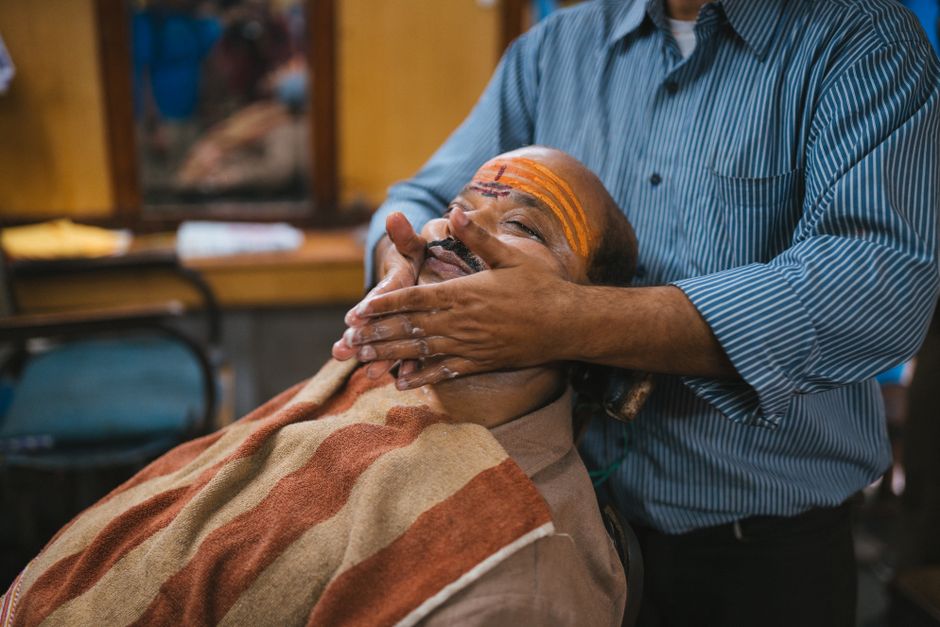
My clear pick for a first attempt is an electric clipper followed by a guarded razor only where you want extra closeness. A clipper removes bulk without dragging a blade across every millimeter of scalp. A bare razor gives the smoothest finish, but it also creates more chances for cuts and bumps.
Tool comparison for a home head shave
| Tool | Typical 2026 US price | Useful specification | Best use |
|---|---|---|---|
| Wahl 5-Star Balding Clipper | $79.99 | 14,400 strokes per minute; 1/16-inch and 3/16-inch guides | Removing hair close to the scalp |
| Philips Norelco Hairclipper Series 7000 | About $60 | Up to 120 minutes of cordless use on some models | Flexible first-pass trimming |
| Gillette SkinGuard Razor | About $20 | Two spaced blades with a skin guard | Sensitive skin and a closer finish |
| Vanicream Moisturizing Cream | About $13 for 16 ounces | Fragrance-free cream for dry, sensitive skin | After-shave moisture |
The buyer’s verdict
Choose the Wahl 5-Star Balding Clipper if you want a very short cut and do not mind a cord. Its 14,400 strokes per minute and close blade make it the strongest choice for dense hair. Choose the Philips Norelco Series 7000 if cordless movement matters more than the closest possible first pass. For the razor stage, the Gillette SkinGuard is the better starting point than a five-blade cartridge because its guard and wider blade spacing reduce tugging. Prices vary by retailer, but these figures give you a realistic 2026 budget.
How to Shave Your Head at Home: Seven Steps
Prepare the scalp and reduce the length
- Inspect your scalp. Use a mirror and bright overhead light. Mark the location of large moles, scars, or irritated spots so you can avoid them.
- Wash and dry your hair. Clean hair gives the clipper a clearer path. Dry hair also prevents wet strands from sticking together and hiding missed areas.
- Trim long hair first. Set the clipper to its longest guard and move against the direction of growth. Empty the hair from the blades when it starts to pull.
- Make a second pass shorter. Move slowly from the forehead toward the crown, then from the sides toward the top. Use your free hand to feel for uneven patches.
Soften, shave, and inspect
- Soften the stubble. Stand in a warm shower for three to five minutes, then apply a thin layer of shaving cream. Avoid very hot water if your scalp turns red easily.
- Shave with short strokes. Start in the direction of hair growth. Rinse the razor after every one or two strokes. Stretch the skin gently around the ears, but never press hard over the crown.
- Check before chasing perfection. Rinse with cool water, pat dry, and inspect the sides, back, and area behind each ear. Stop if you see repeated redness or pinpoint bleeding.
Do not keep scraping a spot because it feels slightly rough. A close shave can still have tiny variations, and extra passes create more irritation than improvement. Use a handheld mirror or ask someone to check the back instead of guessing.
What Causes Nicks, Bumps, and Patchy Spots?
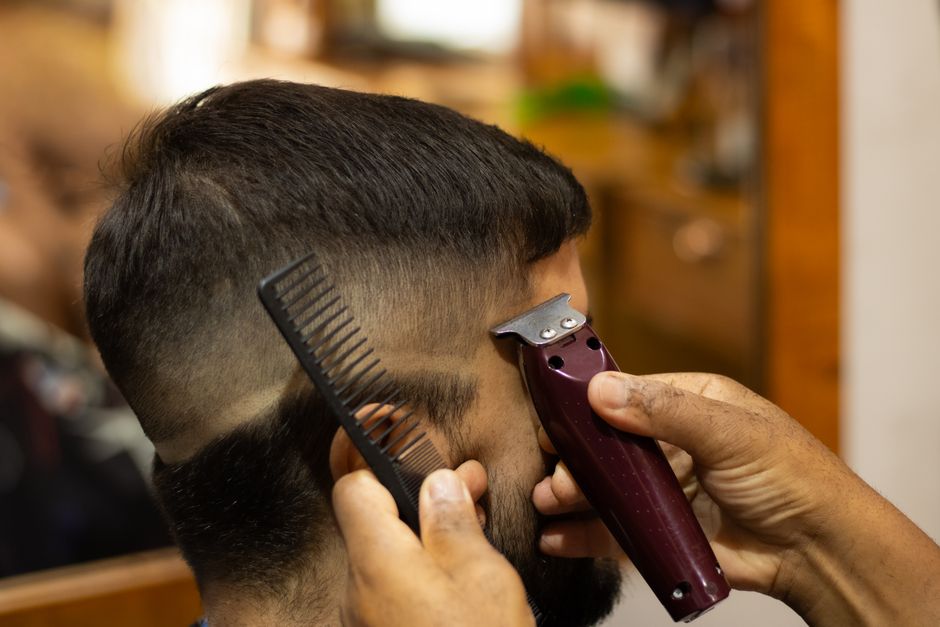
Why did I cut my scalp?
Most cuts come from pressure, a dull blade, or shaving over loose skin without slowing down. The skull is not a flat surface, so a straight, forceful stroke can catch the curve behind the ears or across the crown. Rinse the cut with cool water and hold clean gauze against it for several minutes. If bleeding does not stop after steady pressure, get medical help.
Why did red bumps appear the next day?
Small bumps usually follow friction, hair curling back into the skin, or repeated passes over one area. Shaving against the grain gives a closer result but raises the chance of ingrown hairs, especially if your hair is coarse or curly. For your first few shaves, follow the growth direction and leave a tiny amount of stubble. That tradeoff is safer than forcing a glass-smooth finish.
Why does the back look patchy?
The back of the head is the easiest place to miss because your hand changes angle and your eyes cannot check the work directly. Use a second mirror, keep the clipper moving in overlapping lanes, and compare both sides by touch. Patchiness also happens when long hair is removed with a short guard immediately. The blade catches some strands and skips others, so the two-pass method matters.
Skip the shave if your scalp has open sores, spreading redness, pus, severe flaking, or a painful lump. A razor can spread irritation across the skin. Treat the problem first or ask a clinician what is safe.
What Should You Apply After a Head Shave?
My strongest recommendation is simple: use a bland, fragrance-free moisturizer and protect the scalp from the sun. You do not need a harsh alcohol splash to make the shave feel clean. Alcohol can sting freshly shaved skin and increase dryness.
Choose calm skin care over strong scent
For dry or reactive skin, Vanicream Moisturizing Cream, about $13 for a 16-ounce tub, is the best value in this group because it is thick, fragrance-free, and easy to spread over the scalp. CeraVe Moisturizing Cream, usually about $17 for a 16-ounce tub, is the better pick if you prefer a lighter texture with ceramides. Apply a thin layer within five minutes of drying your scalp. More cream is not better; a heavy coating can feel greasy under a hat.
When not to use a razor
Do not buy a razor if your main goal is a low-maintenance short haircut. A clipper set to 1/16 or 1/8 inch gives a clean look with less irritation and takes less time to maintain. Choose the Gillette SkinGuard only when you want a closer finish and your skin tolerates shaving. Wait at least 24 hours before intense exercise, swimming, or strong sun exposure. Wear a hat outdoors and use broad-spectrum SPF 30 or higher once the skin feels calm.
The first shave can make the scalp look unfamiliar, but the result is predictable: the hair did not become thicker, and the skin did not need to suffer for a smooth finish. Slow passes, a guarded tool, and quiet aftercare turn the bathroom-mirror experiment into a safe routine.