
A common mistake is treating salt water as harmless because it comes from nature. Salt pulls moisture from the hair shaft, while pool chlorine strips surface oils and can leave hair rough, dull, and harder to style. Neither exposure requires extreme measures. A short routine before swimming, a clean-water rinse right after, and the right washing schedule can prevent most problems.
Why chlorine and salt water damage men’s hair
Chlorine and salt water damage hair in different ways, so the best routine starts with the cause. Chlorine acts as an oxidizing chemical. It breaks down some of the oils that help hair stay flexible and can make the cuticle feel raised. Salt water creates a separate problem: it draws water away from the hair, then leaves salt crystals behind as the hair dries. Wind and direct sun make both effects stronger.
Chlorine attacks the hair’s protective surface
Hair is made mostly of keratin, but the outer cuticle still needs a thin layer of oil and water to stay smooth. Pool water can remove part of that layer. The result is not always visible after one swim. After several sessions, hair may feel stiff when wet, look matte when dry, or resist normal styling products. Colored or chemically treated hair usually shows the change sooner because its cuticle already has more gaps.
Salt water creates dryness and rough texture
Sea salt does not bleach hair in the same way chlorine can, but it can leave the strands dehydrated. As the water evaporates, salt remains on the surface and between raised cuticle scales. Rubbing a towel through salt-covered hair adds friction, which can cause snapping at the ends. The fix is simple: dilute and remove the residue before it dries. A fresh-water rinse is more useful than waiting until the evening shower.
The practical verdict is clear: prevent residue from drying, and you reduce most of the damage before you need a repair treatment.
The 10-minute pre- and post-swim routine
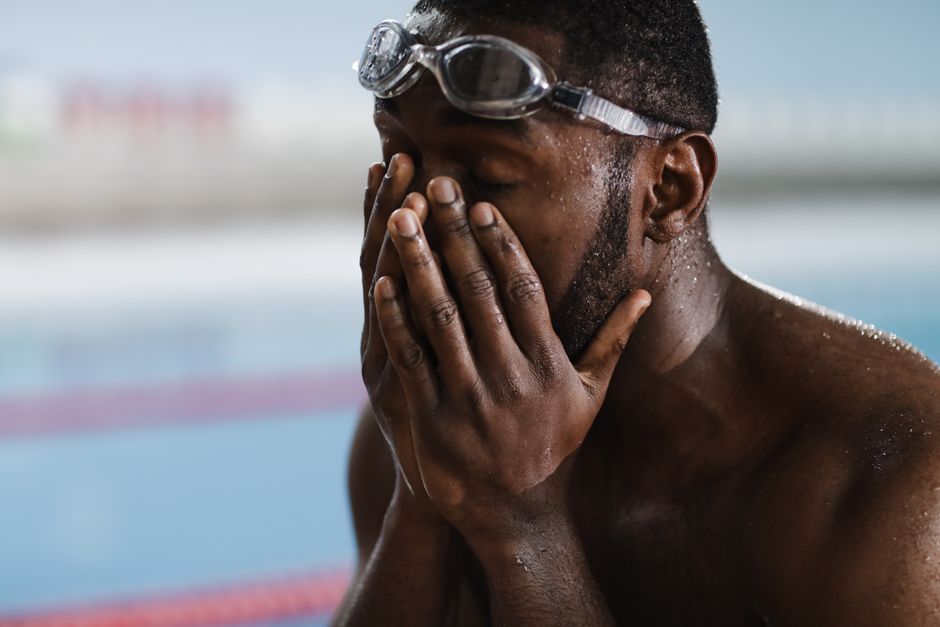
The best routine takes less time than applying sunscreen. Saturate your hair with clean tap water before entering the pool or ocean, then rinse again as soon as you finish. Wet hair absorbs less treated or salty water because it has already taken in fresh water. The rinse also removes loose residue before it can dry into the cuticle.
Use this timing plan
| When | Action | Time | Reason |
|---|---|---|---|
| Before swimming | Rinse hair with cool or lukewarm fresh water | 2 minutes | Reduces how much pool or sea water the hair absorbs |
| Before swimming | Apply a small amount of leave-in conditioner to the mid-lengths and ends | 1 minute | Adds slip and reduces friction |
| Right after swimming | Rinse thoroughly with fresh water, including the scalp | 3 minutes | Dilutes chlorine and removes salt before it dries |
| First shower | Shampoo the scalp and let the lather run through the lengths | 3 minutes | Removes residue without rough scrubbing |
| After washing | Blot with a towel and comb from ends toward the roots | 1 minute | Limits breakage while the hair is most fragile |
Control water temperature and friction
Use lukewarm water for washing and cooler water for the final rinse. Very hot water can increase dryness and make the scalp feel tight after a chlorinated swim. Do not twist wet hair into a towel turban or rub it hard. Press the towel around the hair, then let it air-dry partly before styling. A wide-tooth comb works better than a fine brush when the hair is wet and coated with conditioner.
For regular swimmers, this routine is the clear winner because it blocks residue early instead of trying to repair roughness later.
Which hair products actually remove pool and ocean residue
Product choice matters most when swimming happens two or more times per week. A normal shampoo removes sweat and everyday oil, but it may not remove every mineral or chemical deposit. A clarifying or chelating wash can help, yet using it daily may leave the hair too dry. The right approach is a gentle regular shampoo plus an occasional stronger wash based on exposure.
Choose a swimmer’s shampoo for repeated chlorine exposure
For frequent pool swimmers, Malibu C Swimmers Wellness Shampoo is the strongest practical pick because it is made for chlorine, copper, and mineral buildup rather than ordinary oil. The standard packet is a single-use treatment, while the shampoo is commonly sold in a 9-ounce bottle. Use it after a heavy pool session, not automatically after every shower. Follow with conditioner because chelating formulas can leave the hair squeaky if you skip moisture.
Choose a chlorine-removal wash for occasional pool use
UltraSwim Chlorine Removal Shampoo, usually sold in a 7-ounce bottle, is a sensible option for someone who swims once or twice a week. It targets chlorine residue and has a simpler role than a full repair system. Work it into the scalp for about 60 seconds, then rinse through the ends. If the hair feels rough after use, reduce the frequency and improve the pre-swim fresh-water rinse instead of adding more shampoo.
Use a detox wash only when buildup is the problem
K18 Peptide Prep Detox Shampoo comes in an 8.5-ounce bottle and is better suited to occasional buildup from hard water, styling products, and repeated swimming. It is not a replacement for conditioner or a daily cleanser. For dry hair, once every 7 to 14 days is enough. For oily hair that spends several days in pools, once weekly may make sense. The verdict: Malibu C is best for heavy pool exposure, UltraSwim is the better simple option for occasional chlorine, and K18 is the better reset when several kinds of buildup collect at once.
How should different hair types handle swimming?

There is no single swimming routine for every haircut. Short straight hair often needs only rinsing and controlled shampoo use. Curly, bleached, coarse, and thinning hair needs more care because dryness, tangling, or breakage can become visible faster.
What should men with curly or coarse hair do?
Rinse thoroughly before swimming and apply conditioner from the middle of the hair to the ends. Curly hair has bends that make its natural oils travel less evenly, so the ends dry out first. Do not brush curls dry after a swim. Add conditioner, separate the strands with your fingers or a wide-tooth comb, and squeeze out water with a soft towel. A leave-in conditioner can help, but keep it away from the scalp if buildup causes itchiness.
What should men with bleached or colored hair do?
Use a swim cap if preserving color is the priority. A cap is not a complete seal, but it reduces exposure and friction. Rinse before putting it on, then rinse again after removing it. Keep strong clarifying washes occasional because overuse can fade color and increase dryness. For bleached hair, the best protection is physical coverage plus fast rinsing, not a stronger chemical cleanser.
What should men with thinning hair do?
Thinning hair does not need aggressive scrubbing. Massage shampoo into the scalp with fingertips for 30 to 60 seconds, then rinse by letting the water carry the lather through the lengths. Avoid tight swim caps that pull at the hairline. Chlorine does not directly cause male pattern hair loss, but dryness and rough handling can increase snapping, which makes existing thinning look worse. The verdict: use the gentlest routine that removes residue, and add stronger cleansing only when buildup remains.
A weekly recovery plan that keeps hair normal

The simplest long-term plan is built around swim frequency. Someone who enters the pool once a month does not need a complex detox schedule. Someone who swims five mornings each week needs a repeatable system that protects the scalp and keeps the ends flexible.
Match the routine to your swim days
- One swim per week: rinse before and after, shampoo once, and condition the ends.
- Two or three swims per week: use regular shampoo after most sessions and a chlorine-removal wash once weekly if residue remains.
- Four or more swims per week: wear a swim cap when practical, rinse before every session, and use a chelating wash every 7 to 14 days instead of after every swim.
- Ocean swimming: rinse after every session and use a deep conditioner once weekly if the ends feel rough.
Check the hair before adding treatment
Run your fingers through clean, dry hair. If it feels smooth and bends without snapping, keep the routine steady. If it feels coated, use one stronger wash. If it feels dry but not coated, add conditioner or reduce strong cleansing. If the scalp feels sore or itchy, pause aggressive products and seek medical advice if the problem does not settle.
That natural salt-water swim no longer has to end with stiff, dull hair. The opening misconception was that ocean water is harmless; the better answer is a fresh-water rinse, sensible washing, and less friction. With that routine, chlorine and salt become manageable exposure instead of a recurring bad-hair day.