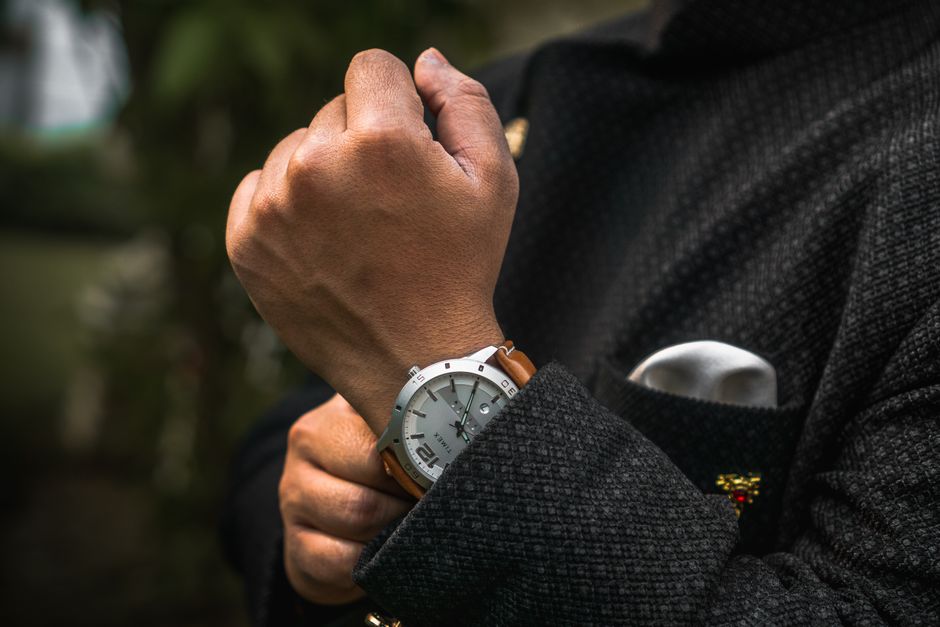
Your watch looks fine until the strap starts smelling, cracking, or leaving a dark mark on your wrist. Then you remember the last time you wore it in the rain, sprayed perfume over it, or wiped it with the same alcohol wipe used on your phone. The common misconception is that every strap needs the same cleaning routine. It does not. Leather absorbs moisture, metal holds skin oil between its links, and rubber can trap sweat against the wrist. Treating them alike shortens their lives.
Why watch straps fail before the watch does
Sweat is the first source of damage
Skin sweat contains salt, oil, and acids that attack finishes and adhesives. On leather, moisture darkens the surface and stiffens the fibers as it dries. On metal, sweat settles inside the clasp and between removable links, where it can create odor and dull the polished areas. Rubber and silicone resist water better, but they still collect salt and body oil. That film makes the strap feel sticky and can irritate sensitive skin.
Check the strap before you clean it
Look at the holes, stitching, spring-bar ends, clasp, and underside. A leather strap with lifting edges or deep cracks needs replacement, not more conditioner. A metal bracelet with a loose screw needs a watchmaker. A rubber strap with a split near the lug can fail suddenly because that area carries the watch’s weight. Cleaning removes dirt; it does not repair weakened material.
Bottom Line: most strap failures start with moisture, friction, or delayed inspection. Find the weak point before choosing a cleaner.
How to clean a leather watch strap without ruining it
Use a dry-first method
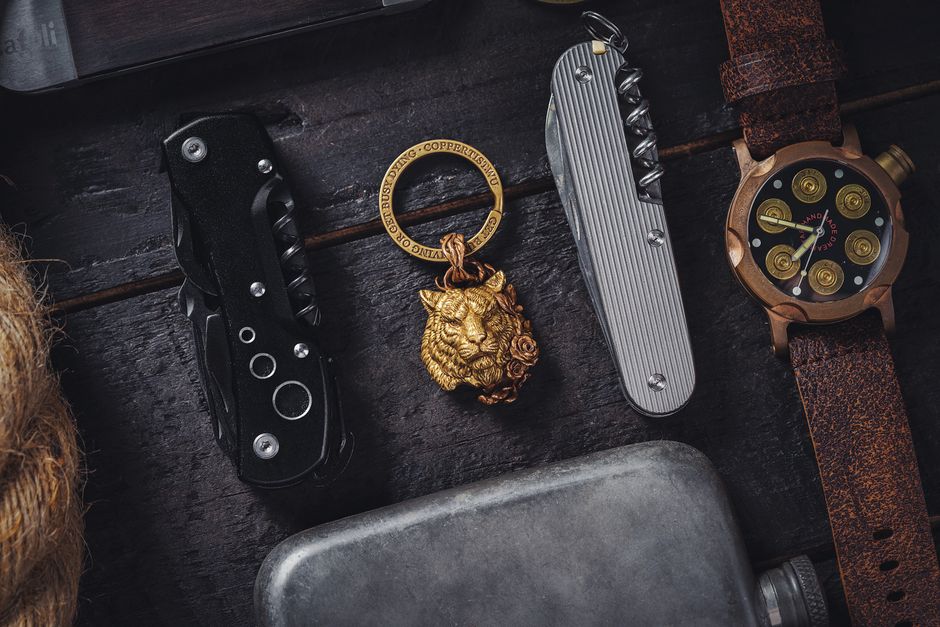
Remove the strap from the watch if the design allows it. Wipe both sides with a soft, dry microfiber cloth. For light grime, dampen one corner of the cloth with water and touch the leather gently. Do not soak the strap, hold it under a tap, or scrub the grain. Leather can look tougher than it is, but water reaches the fibers and backing quickly.
Condition sparingly and dry slowly
Use a leather conditioner made for smooth leather, not saddle soap, cooking oil, hand cream, or household polish. Apply a tiny amount to a hidden section first. If the color does not change after 20 minutes, spread a thin coat across the outer surface. Leave the strap flat in a cool room for 12 to 24 hours. Keep it away from radiators, hair dryers, and direct sun; fast drying pulls moisture from the leather and encourages cracks.
Wear a leather strap for dry office days, dinners, and light walking. Remove it before swimming, showering, gym sessions, or heavy rain. A quality leather strap can last two to five years with rotation, but daily sweat exposure can cut that sharply. Leather needs rest as much as cleaning. Store it loosely, with the buckle undone, so the same crease does not carry the load every day.
Metal bracelet cleaning: the safe method and the real limits
Follow this cleaning table
| Part | Safe method | Frequency | Avoid |
|---|---|---|---|
| Brushed or polished steel | Soft toothbrush, lukewarm water, mild soap, dry cloth | Every 2 to 4 weeks | Bleach, abrasive paste, steel wool |
| Clasp and links | Brush around joints, rinse lightly, dry completely | Weekly if worn daily | Leaving water inside the clasp |
| Gold-plated finish | Dry microfiber cloth and minimal moisture | Weekly | Polishing compounds and hard brushing |
| Titanium | Damp cloth, mild soap, careful drying | Every 2 to 4 weeks | Metal polish made for steel |
Do not polish away the bracelet
Metal polish can make a scratched bracelet look bright for a moment, but it also removes material. That matters on sharp case edges, plated surfaces, and brushed finishes. Use a soft toothbrush on the underside while the bracelet is detached from the watch. If the watch cannot be separated safely, protect the case and crown from water. A watchmaker can use an ultrasonic cleaner for a removable steel bracelet, but the watch head itself should not go into that bath.
Bottom Line: mild soap and controlled drying beat aggressive polishing. For plated or vintage bracelets, professional cleaning is cheaper than correcting a stripped finish.
Rubber and silicone straps are not all the same
Wash sweat-resistant materials after hard use
Rinse natural rubber, silicone, and fluoroelastomer straps with lukewarm water after workouts or hot days. Add one drop of mild dish soap to your fingers, work it over the underside, then rinse and dry it fully before wearing it again. Do not use alcohol every day. Alcohol can dry some rubber compounds, fade printed markings, and make older straps feel brittle. If odor remains after washing, the smell may be inside the material or adhesive. Replacement is more reliable than perfume or deodorizing spray.
Choose the strap for the environment
The Apple Sport Band costs about $49 and is easy to rinse, which makes it a sensible option for a daily fitness watch. The Barton Elite Silicone, usually around $25, offers a lower-cost replacement with many hole positions and a soft underside. The Nomad Sport Band, often priced near $59, uses a tougher rubber-style construction and suits people who want a cleaner look than basic silicone. These prices can change, so treat them as typical reference points rather than fixed quotes.
My clear pick for frequent exercise is the Barton Elite Silicone because replacing a $25 strap hurts less than replacing a premium leather band after repeated sweat exposure. For a polished everyday smartwatch, the Apple Sport Band is the safer balance of washability and fit. Bottom Line: buy rubber or silicone for water and sweat, not because marketing calls every material “indestructible.”
When to repair, replace, or change the material
Replace these defects immediately
- Leather has cracks through the surface, loose stitching, or a split around the spring bar.
- Rubber has a tear, a white stress mark, or a stretched hole that no longer holds the pin.
- Metal links rattle, screws back out, or the clasp opens when you pull the watch lightly.
- The strap causes a rash that continues after washing and drying both the strap and wrist.
Repair makes sense in a few cases
A watchmaker can replace spring bars, tighten bracelet screws, resize metal links, or fit a new buckle. A $15 to $40 sizing or clasp-adjustment fee can be reasonable for a valuable bracelet. A full polish may cost $50 to $150, and it is rarely good value for a cheap plated bracelet. A cracked leather strap normally deserves replacement, not a patch; the repair may fail at the same load-bearing point.
Change materials when your routine changes. Moving from office wear to daily swimming is a reason to stop using leather. Moving from a hot climate to a dry indoor setting may make leather comfortable again. Do not buy a second premium strap just to solve a problem that a $25 washable strap handles better.
Bottom Line: pay for hardware repairs when the structure is sound. Replace the strap when its material has lost strength.
Which strap is the best value for your routine?
Leather for appearance, not punishment
The Hirsch Duke, often around $85, is a reasonable leather example for someone who wants a dressier finish and will keep it away from water. It is not the value winner for sports. Leather gives the best texture and ages with wear, but the tradeoff is a shorter life under sweat, rain, and repeated bending. Choose it for formal clothes, office wear, and watches that spend most of the day indoors.
Metal for long life, rubber for low maintenance
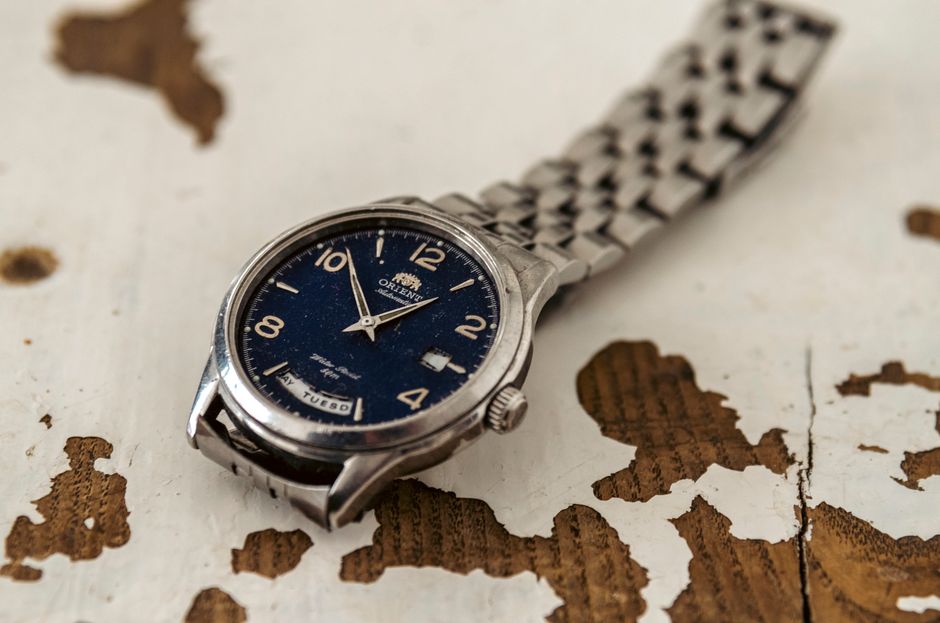
A steel bracelet is the strongest general-purpose choice when you want one strap for work and weekends. It tolerates water and does not absorb odor, but it weighs more and costs more to resize. Rubber wins on maintenance. A $25 to $60 strap can be washed, replaced, and rotated without much financial pain. For a premium rubber option, the Delugs CTS Rubber Strap, commonly around $75, offers a more finished look than basic sports bands, but its higher price only makes sense if you care about appearance as much as easy cleaning.
For dry office wear, choose the Hirsch Duke. For one watch that must handle daily use, choose steel. For exercise, heat, or frequent travel, choose washable rubber or silicone. Those are concrete choices, not a vague “it depends” answer.
Bottom Line: the cheapest strap is not always the best value. Match the material to the abuse it will receive, then compare the replacement price with the service fee for your watch.
What is the simplest watch strap care routine?
Do I need to clean the strap every day?
No. Wipe sweat from any strap after heavy wear, then give it a deeper clean on a schedule that matches the material. Daily wiping is enough for many office days. A rubber strap used for training deserves a rinse after each session. Leather needs a dry cloth after wear and a longer rest between uses.
Can I shower with a water-resistant watch?
Water resistance belongs to the watch, not automatically to the strap. A watch may survive splashes while its leather strap absorbs soap and heat. Showering also exposes seals to temperature changes and detergents. Remove leather before water. For metal or rubber, rinse away soap afterward and dry the clasp, case back, and strap channels.
How often should I replace a strap?
Inspect it monthly. Replace leather when cracks or edge lifting appear, rubber when it develops stress marks or tears, and metal only when links, pins, or the clasp no longer hold securely. A calendar rule is less useful than a condition check. A daily leather strap may last one year, while a lightly worn metal bracelet can last for decades.
The best routine is short: wipe after sweat, wash the washable materials, dry every part, and rotate straps before they become weak. That prevents most avoidable failures without turning watch care into a hobby.