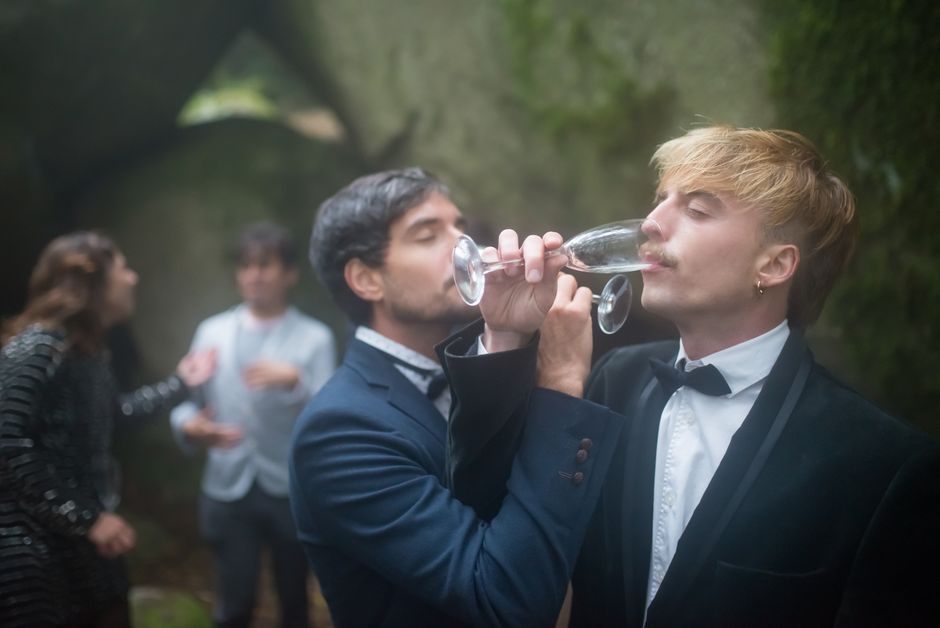
What should a man wear to a late-spring wedding when the afternoon is warm, the venue is formal, and the evening may turn cool? The reliable answer is a breathable tailored base, a restrained color palette, and shoes that can survive several hours of standing. You do not need a loud seasonal costume. You need clothes that match the invitation, fit cleanly, and still look deliberate after dinner.
What Late-Spring Wedding Dress Codes Actually Mean
Read the invitation before choosing fabric
The dress code controls the outfit more than the weather does. If the invitation says black tie, wear a tuxedo, even if the wedding takes place outdoors. If it says formal or black-tie optional, a dark navy or charcoal suit with a white shirt is the safe choice. Cocktail attire gives you more room: a medium-blue, olive, tan, or textured navy suit can work, provided the tailoring stays sharp. Semi-formal usually means a suit or a tailored jacket with dress trousers, not jeans, knit sneakers, or a loose camp shirt.
Late spring creates a small trap. Men see a garden venue and assume the event is casual. The ceremony may happen under a tent, but the reception can still use polished table settings, a strict seating plan, and professional photographs. The venue does not cancel the dress code. Treat the dress code as the floor, then adjust the fabric and color for the temperature.
Build for two temperatures
A late-spring wedding outfit has to work through a warm ceremony, a cooler sunset, and a crowded dance floor. Start with a jacket that has enough structure to hold its shape but does not trap heat. Half-lined or unlined tailoring helps, while a full synthetic lining can feel sticky after one hour outside. Wear a cotton, linen, or cotton-linen shirt rather than a heavy broadcloth shirt. Keep the jacket on during the ceremony, then remove it only after the setting becomes clearly relaxed.
For most guests, the best visual formula is one dark anchor, one light seasonal element, and one polished leather accessory. A navy suit with a pale blue shirt and dark brown loafers looks appropriate at a hotel, vineyard, or city restaurant. A tan suit with a white shirt can work at a daytime garden wedding, but it needs dark shoes and a clean belt to avoid looking like resort wear. My verdict is simple: dress one level more formal than the location appears to require. You can remove a tie. You cannot add formality after arriving underdressed.
The Best Late-Spring Base Is a Lightweight Navy Suit
Compare the real options
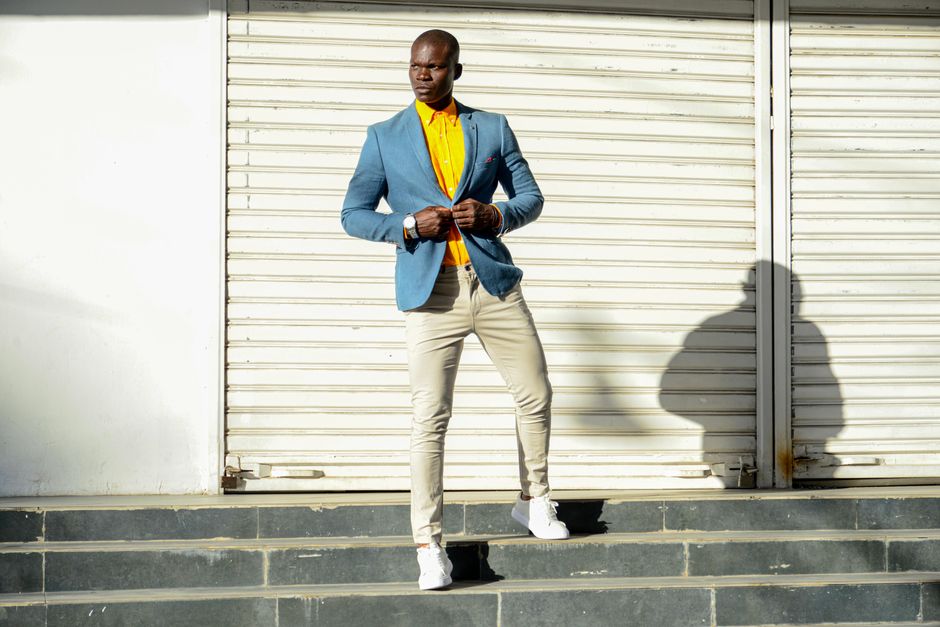
Navy wins because it works across dress codes, photographs well, and separates easily after the wedding. The table below shows the kind of price spread a buyer should expect in 2026. Prices can change with sales, size, and color, so treat them as current reference points rather than permanent quotes.
| Option | Fabric or construction | Listed price | Best use |
|---|---|---|---|
| Bonobos Jetsetter Italian Linen Suit | Lightly constructed Italian linen | $598 | Warm outdoor ceremony |
| J.Crew Ludlow Irish cotton-linen jacket and pants | Cotton-linen blend; separate pieces | $328 jacket plus $198 pants | Flexible cocktail attire |
| Bonobos Jetsetter Italian Wool Suit | Italian wool with stretch | About $650 | Formal venue or cool evening |
| Allen Edmonds Randolph 2.0 Penny Loafer | Leather penny loafer | $450 | Long-term dress shoe upgrade |
Pick the fabric before the color
Linen is the coolest option, but it wrinkles. That is not a flaw; it is part of the fabric. The problem is buying a very soft, unstructured linen suit for a formal evening wedding and expecting it to look crisp in photographs. The Bonobos Jetsetter Italian Linen Suit is the strongest pick for a hot daytime event because its lightweight construction matches the weather, but I would not choose it for a formal ballroom reception.
The J.Crew Ludlow Irish cotton-linen blend is more forgiving. The cotton reduces some of linen’s rumpled look, and the separate jacket and pants create more future outfits. At $526 for the listed jacket and pants before alterations, it costs less than the Bonobos suit and offers better wardrobe value. The Bonobos Jetsetter Italian Wool Suit is the better choice for a formal venue or a wedding that runs from a cool afternoon into a cold evening.
Shoes deserve the same scrutiny. The Allen Edmonds Randolph 2.0 Penny Loafer costs $450, which is a serious purchase for one wedding, but it can support years of office, dinner, and event wear. A less expensive leather loafer is reasonable if this is your first dress shoe; the important details are a leather upper, a clean sole, and a shape that does not look like a driving moccasin.
Bottom Line: For one late-spring suit that can cover the most situations, buy navy wool or a cotton-linen blend. Choose pure linen only when heat matters more than crease resistance.
How to Make a Spring Suit Look Intentional
My opinion: fit matters more than fabric branding. A $300 cotton-linen suit with sleeves ending at the wrist bone, trousers touching the top of the shoe, and a clean jacket shoulder will look more expensive than a $900 suit worn two sizes too large, because the eye reads proportion before it reads the mill name. Start with the jacket: the shoulder seam should sit at the edge of your shoulder, the collar should touch your shirt collar, and the lapels should lie flat when you button the jacket. The chest should close without pulling into an X, but you should still be able to slide a flat hand between your shirt and the jacket.
Next, check the trousers while standing and sitting. A small break is enough for a modern late-spring look; a stack of fabric at the ankle makes lightweight cloth appear messy. Have the hem adjusted after trying on the shoes you will actually wear. Keep the shirt collar firm enough to support a tie, even if you plan to remove the tie later. A white pocket square in a simple fold adds polish without competing with the wedding party.
Color needs restraint. Pale blue, cream, sage, and muted lavender can work as shirt or accessory colors, but do not place every spring shade in one outfit. Use one visible seasonal cue. A textured tie, a linen pocket square, or a lighter trouser can do the job. The verdict is direct: spend money on alterations before upgrading from a good cotton-linen suit to a luxury fabric. A $35 to $80 alteration budget often changes the result more than a $300 jump in retail price.
For a clean default, wear a navy jacket, matching trousers, white or pale-blue shirt, dark-brown leather loafers, and a muted tie. That combination survives most late-spring dress codes without looking generic.
What to Spend and What to Skip
What is a sensible wedding budget?
Set the full outfit budget before browsing. A realistic lower-cost plan might include $250 to $400 for a suit, $40 to $90 for a shirt, $80 to $180 for leather shoes, and $35 to $80 for alterations. A stronger mid-range plan lands near $700 to $1,100 before tax. That can cover a cotton-linen suit, a good shirt, leather loafers, a belt, and tailoring. The event does not become more enjoyable because your jacket has a famous label.
Budget for the hidden costs. Dry cleaning can run about $15 to $30 for a suit, while trouser hemming often costs $15 to $35 and jacket sleeve work can reach $40 to $80. If you buy online, check return shipping, final-sale terms, and the cost of sending the garment back before ordering two sizes. A final-sale suit at a low price is not a bargain if the shoulders do not fit.
Final buying verdict
For most men, the winning late-spring outfit is a navy cotton-linen or lightweight wool suit, a white or pale-blue shirt, dark-brown leather loafers, and trousers hemmed to a slight break. Spend on fit, not decorative details. Buy pure linen for heat and relaxed venues, wool for formal evenings, and separates when you want the clothes to work beyond one wedding. As spring ceremonies become more relaxed while guest lists remain photograph-heavy, the strongest menswear will keep moving toward lighter fabrics with the structure of traditional tailoring.