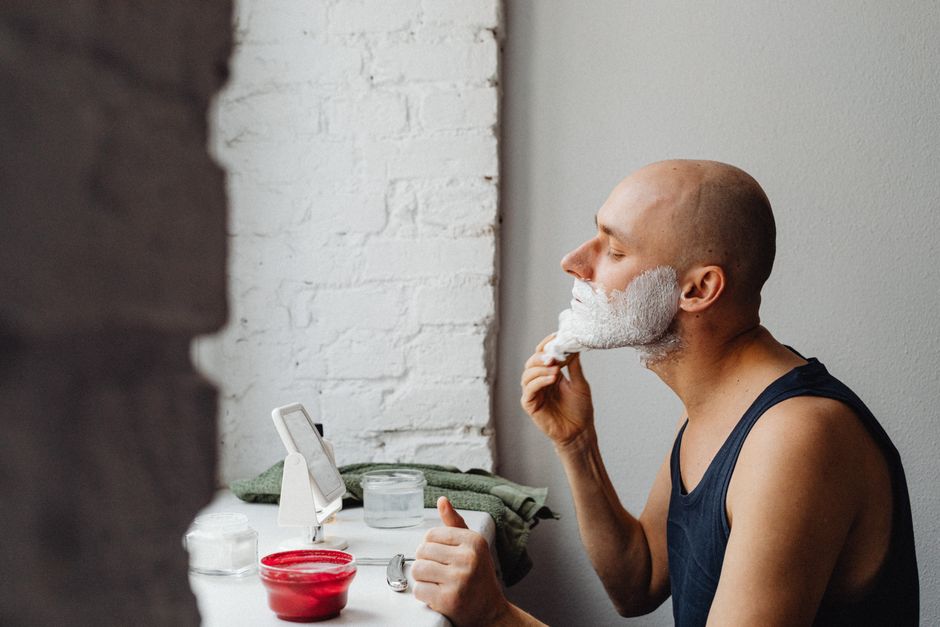
The fastest way to reduce ingrown hairs is to stop treating every bump as a shaving problem. A close shave can cut curly or coarse hair below the skin surface. As that hair grows, it may curl back into the follicle and cause a raised, itchy, or painful spot. Use less pressure, avoid repeated passes, and give the skin time to settle before shaving again. For frequent or severe bumps, a dermatologist can check for pseudofolliculitis barbae, folliculitis, infection, or another skin condition.
This guide focuses on practical grooming steps rather than miracle cures. The goal is simple: reduce skin trauma, keep hair from re-entering the skin, and recognize the point where home care has stopped being sensible.
Why do ingrown hairs happen after shaving?
Curly hair changes the risk
An ingrown hair forms when a shaved hair grows back toward the skin instead of away from it. Curly, tightly coiled, and coarse hair has a higher chance of bending back into the follicle because the shaft naturally follows a curved path. A very close shave makes this more likely. When the hair retracts below the surface, the sharp cut end can press against the follicle wall or pierce nearby skin.
That process can create a small red bump, itching, tenderness, or a visible hair trapped beneath the surface. It does not mean the skin is dirty. Scrubbing harder usually creates more irritation and can leave dark marks.
Shaving technique adds friction
Pressure, dull blades, dry skin, and repeated passes all increase irritation. Shaving against the direction of growth can produce a smoother result, but it also cuts hair closer to the skin and increases the chance of a trapped hair. Multiple passes over the same area can create tiny injuries around the follicle. These injuries may resemble ingrown hairs even when no hair has curled inward.
The strongest prevention strategy is a slightly less close shave. Leaving even a small amount of hair above the skin can reduce the chance that the cut end retracts beneath the surface.
How can you tell an ingrown hair from another shaving bump?
What does a typical ingrown hair look like?
A typical ingrown hair appears as a single or clustered red, brown, or skin-colored bump near a recently shaved area. You may see a dark line or curved hair under the surface. The spot can itch before it becomes painful. Some bumps develop a small amount of pus because the follicle has become inflamed.
Do not assume every bump contains a hair that should be removed. A deep lump, spreading redness, or severe pain may point to an abscess or infection instead.
Which symptoms need a different explanation?
Razor burn usually looks like a broad area of stinging redness that appears soon after shaving. Folliculitis can produce many small pus-filled bumps around hair follicles. Cold sores, contact dermatitis, cysts, and acne can also occur in the beard area. If bumps keep returning in exactly the same place, bleed easily, form thick crusts, or fail to improve after one to two weeks, arrange a clinical assessment.
That distinction matters because squeezing an infection or digging for a hair can spread inflammation. A visible superficial hair may be released gently, but a buried hair should not be hunted with a needle or tweezers.
What shaving method prevents ingrown hairs best?
A five-step routine for the next shave
- Wash the area with lukewarm water and a mild cleanser. Give the skin about 30 seconds to soften, but skip very hot water if it causes redness.
- Apply a generous layer of shaving cream or gel and let it sit for one to two minutes. The product should reduce drag rather than force the hair flat against the skin.
- Shave in the direction the hair grows. Use short strokes, light pressure, and one pass over each section whenever possible.
- Rinse the blade often. A clogged blade pulls at hair and encourages extra pressure.
- Rinse the skin with cool water, pat it dry, and apply a plain fragrance-free moisturizer. Do not immediately apply strong acids, alcohol-heavy aftershave, or perfume to freshly shaved skin.
This method may leave a little more stubble than an against-the-grain shave. That is the tradeoff, and for men who repeatedly develop ingrown hairs, the tradeoff is worthwhile. Smoothness lasting several extra hours does not justify weeks of inflamed bumps.
How often should you shave?
There is no universal schedule, but shaving every day can keep irritated follicles in a constant cycle. If possible, allow 24 to 48 hours between close shaves while an area heals. When work or personal preference requires daily grooming, reduce pressure and avoid chasing a perfectly smooth finish.
What should you do when an ingrown hair appears?
First response
Pause close shaving over the bump for several days. Clean the area once or twice daily with lukewarm water and a gentle cleanser. A warm, damp cloth held against the skin for 10 to 15 minutes may soften surface debris and reduce discomfort. Do not press, pinch, or scrape the bump.
If a hair loop becomes clearly visible at the surface, clean tweezers can lift the hair tip away from the skin without pulling the entire hair out. Stop if the hair is buried. The safest home action is to leave it alone and let the skin recover.
When can an exfoliant help?
A mild chemical exfoliant may help prevent dead skin from blocking the follicle, but more is not better. Use one active product at a time, follow its label, and wait until open cuts, burning, and marked redness have settled. Physical scrubs, stiff brushes, and rough towels can worsen inflammation.
Seek medical advice if pain increases, redness spreads, drainage becomes heavy, the area feels hot, or you develop fever. Those signs deserve evaluation instead of stronger home treatment.
Which shaving mistakes make ingrown hairs worse?
Stop chasing a closer shave
The biggest mistake is treating stubble as a defect that must be removed at any cost. Repeated passes, skin stretching, and shaving against growth may produce a smoother surface for a short time, but they also increase the chance of buried hairs and follicle irritation. For men with frequent bumps, a controlled short trim can be a better grooming choice than a close wet shave.
Another common error is shaving over a bump to make it look flatter. That action adds friction to already inflamed skin. Covering the area with heavy fragrance or alcohol can also cause burning without addressing the trapped hair.
Do not pick, dig, or share blades
- Do not use a pin to open a bump. This can introduce bacteria and leave a scar.
- Do not squeeze a pus-filled spot repeatedly. Pressure can drive inflammation deeper.
- Do not shave with a blade that tugs, skips, or has visible residue.
- Do not share razors, trimmers, towels, or face cloths.
- Do not apply several exfoliating acids at once in an attempt to speed up healing.
Replace aggressive grooming with a short recovery period. The skin usually needs less interference, not a more complicated routine.
Do different body areas need different ingrown-hair care?
Area-by-area comparison
| Area | Main risk | Best adjustment | Warning sign |
|---|---|---|---|
| Neck | Curved hair growth and repeated passes | Shave with growth and leave slight stubble | Clusters that return after every shave |
| Cheeks | Pressure and skin stretching | Use light strokes and avoid pulling the skin tight | Persistent dark marks or thickened bumps |
| Bikini line | Friction, sweat, and tight clothing | Wear breathable clothing and avoid shaving irritated skin | Rapidly enlarging or very painful lump |
| Chest | Dense hair and repeated passes | Trim first and use fewer razor passes | Widespread pus-filled follicles |
The neck deserves special attention because hair often grows in several directions across a small area. A single downward stroke may be appropriate on one section and wrong on the next. Map the growth pattern by running a clean finger lightly across the stubble before shaving.
Why friction changes the plan
Body areas covered by collars, straps, waistbands, or tight underwear can stay warm and damp after shaving. That friction can keep follicles irritated even when the shaving technique was careful. Keep clothing loose while the skin settles, change out of sweaty garments, and avoid applying thick occlusive products to freshly shaved areas if they trap heat.
For the neck, the best choice is usually a less close shave. For the bikini line, reducing friction may matter as much as changing the blade angle.
When should a man see a dermatologist?
Signs that home care is no longer enough
Arrange professional care when bumps last longer than two weeks, return after nearly every shave, leave scars, or spread beyond the shaved area. A dermatologist may identify pseudofolliculitis barbae and discuss prescription anti-inflammatory treatment, hair-removal changes, or longer-term options. A clinician can also check for bacterial folliculitis, cysts, or an abscess when the appearance is unclear.
Get prompt medical attention for rapidly spreading redness, severe swelling, intense pain, fever, red streaks, or drainage with a strong odor. Do not wait for a cosmetic problem to become a larger skin infection.
The specific recommendation
For men who develop ingrown hairs after shaving, the best first move is to stop shaving against the grain, reduce pressure and passes, and leave a small amount of stubble while the skin heals. Use gentle cleansing, limited exfoliation, and no picking. If the same bumps keep returning despite those changes, a dermatologist is the right next step.