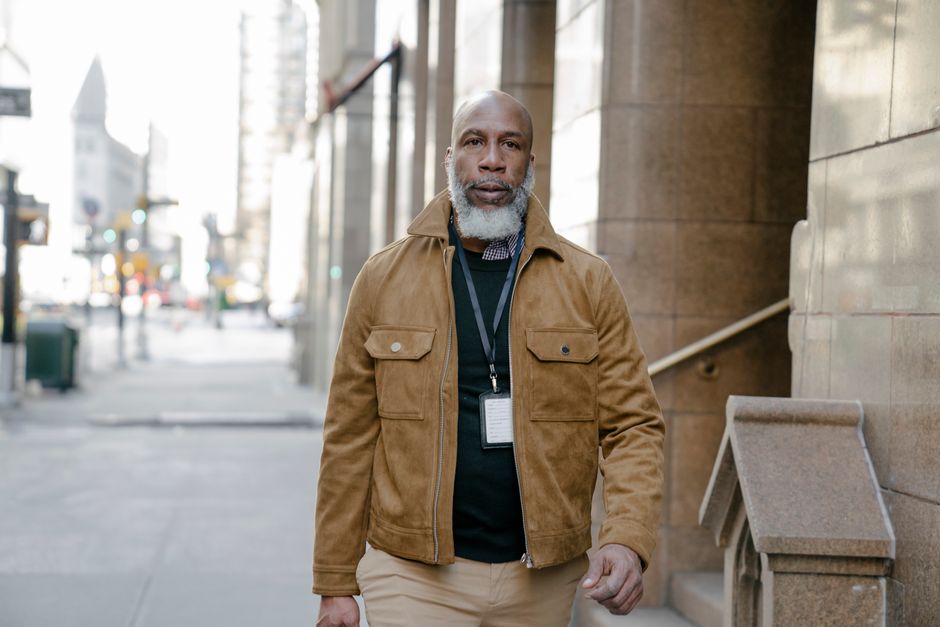
The best way to wear a men’s chore jacket is to treat it as a structured overshirt, not a heavy coat. Choose a clean fit through the shoulders, keep the layer underneath thin, and balance the jacket with straight or gently tapered trousers. That simple formula works for office-casual outfits, weekend clothes, and spring layering.
Why a Chore Jacket Works With Modern Clothes
What problem does a chore jacket solve?
A chore jacket sits between a shirt and a coat. It gives you more shape than a flannel but less bulk than a bomber or insulated parka. The original design had a practical job: protect a worker’s shirt, hold small tools, and allow easy movement. Modern versions keep the large patch pockets and simple front opening, but their clean shape makes them useful with everyday clothes.
The jacket looks best when the outfit keeps that balance. Pair a cotton or canvas chore jacket with a T-shirt, Oxford shirt, knit polo, or light sweater. Avoid stacking too many rugged pieces at once. A canvas jacket, denim shirt, heavy boots, and cargo trousers can turn into a costume. One workwear item needs softer or cleaner companions.
What should you wear underneath first?
Start with a plain white or heather-gray T-shirt, straight-leg dark jeans, and simple leather sneakers. The T-shirt keeps the jacket relaxed, while the jeans give the outfit enough structure for the jacket’s patch pockets. In cooler weather, replace the T-shirt with a fine-gauge merino sweater. Keep the sweater hem close to the jacket hem so the layers look intentional.
My verdict: a chore jacket earns its place when you need one layer that looks relaxed, carries useful pockets, and still works with clean city clothes. It is not a formal blazer and should not be forced into a formal outfit.
How to Get the Fit Right Before Styling
Step 1: Check the shoulder line
- Put on the jacket over the shirt or sweater you plan to wear most often.
- Stand naturally with your arms at your sides. The shoulder seam should sit at the end of your shoulder or fall only slightly past it.
- Raise both arms forward. If the back pulls tightly across your shoulder blades, size up or choose a roomier cut.
- Look for roughly 2 to 3 inches of space at the chest when the jacket is buttoned. You need movement, but you should not see a large air pocket.
Step 2: Set the sleeve and body length
The sleeve should finish around the wrist bone. A small amount of shirt cuff can show, but the sleeve should not cover most of your hand. The body should land between the top of your hip and the middle of your seat. A shorter jacket feels more modern with jeans; a longer jacket works better with wider trousers and heavier boots.
Step 3: Test the pocket and button placement
Put your phone and wallet in the jacket pockets, then sit down. If the pockets flare open or the hem rides sharply upward, the jacket is too slim or too short for daily use. Check the buttons too. You should be able to close the jacket without pulling at the placket, but you do not need a completely flat front. Chore jackets are meant to leave room for movement.
The clearest fit rule: buy the size that fits your shoulders with your real mid-layer underneath, then accept a little extra room at the waist. A tight chore jacket loses the relaxed workwear shape that makes it useful.
Which Men’s Chore Jacket Should You Buy?
Compare the fabric, warmth, and price first
| Jacket | Material and weight | Listed price | Best use |
|---|---|---|---|
| Carhartt WIP Michigan Chore Coat | 12 oz organic Dearborn cotton canvas, unlined | $218 | Best everyday spring and fall layer |
| Carhartt WIP Michigan Chore Coat Winter | 12 oz organic cotton canvas with blanket lining | $255 | Best for cold-weather layering |
| Patagonia Iron Forge Hooded Work Jacket | 12.9 oz hemp, recycled polyester, and organic cotton canvas | $249 | Best for hard outdoor wear |
| J.Crew Cotton-Linen Blend Chore Jacket | Cotton-linen blend, lighter and more breathable | $198 | Best for warm-weather city outfits |
My clear pick for most wardrobes
Choose the unlined Carhartt WIP Michigan Chore Coat if you want one dependable jacket for the widest range of outfits. Its 12 oz canvas has enough body to hold a clean shape, but it is easier to layer than the winter version. Pick the J.Crew cotton-linen version for hot weather, and choose the Patagonia Iron Forge model only when abrasion resistance and outdoor protection matter more than a lightweight silhouette.
Do not buy the heaviest jacket simply because it feels more durable. A lined chore coat can become too warm indoors and too bulky under a coat. For most people, an unlined jacket between 8 and 12 ounces gives the best mix of comfort, shape, and year-round use.
How to Style a Chore Jacket for Work and Weekends

Outfit 1: Clean office-casual
Wear a navy or olive chore jacket over a pale blue Oxford shirt. Add charcoal chinos and brown leather derby shoes. Leave the jacket open if the shirt fits close to the body; button the middle buttons if the room feels cold. This combination works because the Oxford shirt and chinos soften the jacket’s workwear roots. Keep the shirt collar inside the jacket rather than spreading it over the lapels.
Outfit 2: Easy weekend uniform
Use a faded canvas jacket, an off-white T-shirt, medium-wash straight-leg jeans, and white leather sneakers. This is the most reliable beginner outfit. Keep the T-shirt untucked if the jacket ends near the top of the hip. If the jacket is longer, tuck the shirt or choose a shorter T-shirt so the layers do not create three competing hems.
Outfit 3: Smart texture without formal tailoring
Try a dark brown or black chore jacket over a fine merino crewneck. Add pleated trousers in gray, tan, or dark olive and finish with suede loafers or plain-toe boots. The contrast between rough canvas and smooth knit fabric gives the outfit depth without making it look overly styled. Use this outfit for a casual dinner, gallery visit, or office with a relaxed dress code.
For a practical cold-weather version, place a thin thermal shirt under the sweater and wear the lined jacket as the outer layer. Avoid a thick hoodie unless the jacket has a deliberately oversized cut. A standard chore jacket usually lacks enough room in the upper back for a bulky hood, which creates bunching at the collar.
Best styling rule: match the jacket’s visual weight to the trousers and shoes. Heavy canvas needs denim, corduroy, wool trousers, or substantial cotton. A very light linen trouser and delicate sneaker can make a rugged jacket look disconnected from the rest of the outfit.
What Makes a Chore Jacket Look Awkward?
Should you size down to avoid a boxy shape?
No. Size down only when the shoulders, chest, and sleeves are all too loose. A chore jacket needs room across the back, and pulling it tight often creates more visible wrinkles than a relaxed fit. Control the boxy effect with cleaner trousers and a shorter shirt hem, not with a jacket that restricts your arms.
Can you wear a chore jacket with denim?
Yes, but avoid matching the exact color and wash. A dark navy jacket with medium-wash jeans creates useful contrast. A tan canvas jacket with dark indigo denim looks sharper still. If both pieces are blue and nearly identical, the outfit can look like a one-piece uniform.
When should you skip a chore jacket?
Skip it when you need serious rain protection, insulation below freezing, or a polished business outfit. Choose a waterproof shell for sustained rain, an insulated parka for long periods outdoors, and a tailored blazer when the dress code calls for formal structure. The chore jacket is strongest in the middle ground: dry-weather layering, light work, travel, and everyday city wear.
Once you get the fit right, the category opens up. New fabrics, softer linings, and cleaner cuts keep the original useful shape while making the jacket easier to wear far beyond the workshop.