
Cold air, indoor heating, hot showers, and trapped oil can leave the skin beneath a beard tight, itchy, and covered in flakes. The best fix is a steady routine that cleans the skin without stripping it, adds moisture below the beard, and treats warning signs before they spread.
How can you tell beard flakes from dandruff or a skin condition?
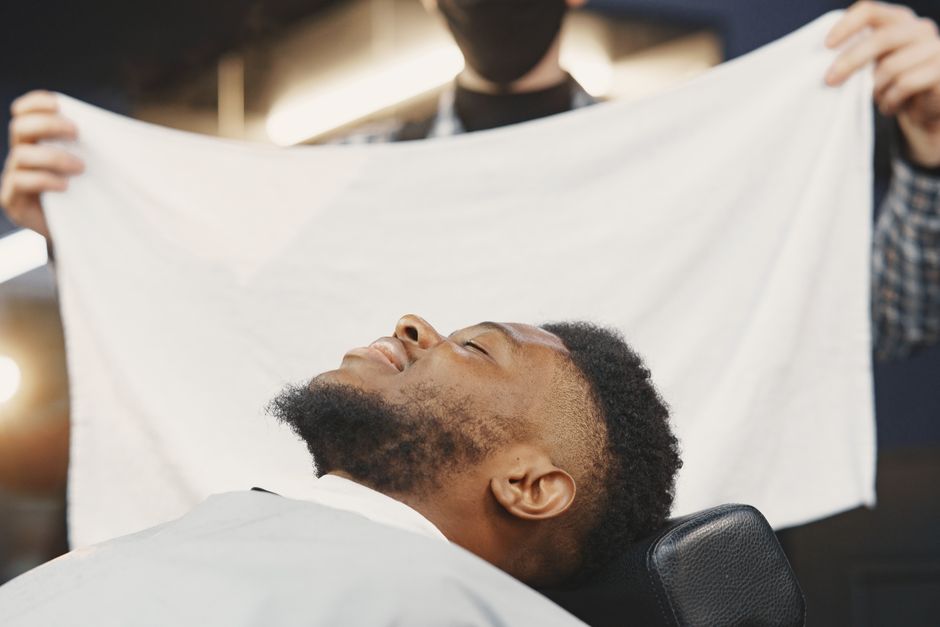
Flakes do not all have the same cause. Their color, size, texture, and location give useful clues, but they cannot replace a diagnosis from a qualified clinician. A careful reader should treat these signs as sorting tools, not proof.
Are the flakes small, white, and linked to tight skin?
Small white flakes with tightness after washing often point toward simple dryness or irritation. The skin may feel rough but show little redness. This pattern usually improves after one to two weeks of gentler cleansing, lukewarm water, and regular moisturizing. If the flakes stop when the routine changes, that supports irritation as the likely trigger. A beard brush may remove loose debris, but brushing does not repair the barrier underneath.
Are the flakes yellow, greasy, red, or itchy?
Yellowish or greasy scale, redness around the nose and eyebrows, and recurring itch can fit seborrheic dermatitis, a common inflammatory condition that can affect the beard area. Thick plaques, cracking, swelling, pus, pain, or bleeding need medical attention. Facial psoriasis, contact dermatitis, folliculitis, and fungal infections can also resemble ordinary flakes. The clearest recommendation is to stop experimenting with new scented products if the skin burns, spreads, or fails to improve after about two weeks.
When should a dermatologist examine the beard?
Arrange medical care for sudden hair loss, painful bumps, open skin, crusting, marked redness, or symptoms that involve the scalp, ears, eyebrows, or chest at the same time. A clinician may recommend a medicated cleanser or a short course of another treatment based on the cause. Do not borrow a steroid cream or strong antifungal product from another person. Facial skin can react badly to the wrong strength or prolonged use, and the beard can hide early changes.
A seven-step winter beard routine that protects the skin
The winning routine is boring by design. It reduces the number of variables, gives the skin time to recover, and makes it easier to identify the product or habit causing trouble.
- Rinse with lukewarm water. Keep the shower warm rather than hot. Aim for five to ten minutes of face washing, not a long blast of steam directly on the beard.
- Clean the skin beneath the beard. Work a gentle, fragrance-free cleanser down to the roots with the fingertips. A longer beard may need two passes, but aggressive scrubbing is not better cleaning.
- Rinse out all residue. Product left near the jaw can dry into visible flakes. Tilt the chin up and rinse below the beard line and around the neck.
- Pat instead of rubbing. Leave the face slightly damp. A rough towel can lift irritated skin and make itching worse.
- Moisturize the skin first. Use a plain, fragrance-free face moisturizer and press it through the beard to the skin. The skin is the target; the hair only receives the leftover product.
- Condition the hair only when needed. If the beard feels wiry, use a small amount of beard conditioner or oil on the lower half of the hair. Keep heavy fragrance away from cracked or burning skin.
- Wash tools weekly. Clean combs, brushes, pillowcases, and trimmer guards. A dirty tool can redistribute oil, skin debris, and styling residue across a freshly washed face.
Use this routine once daily if the beard is oily or exposed to sweat, and every other day if the skin is very dry. After outdoor exercise, rinse sweat from the skin rather than adding another layer of oil. For most people, the best verdict is a two-week reset with fewer products, cooler water, and consistent moisturizer. If symptoms worsen during that reset, stop the new product and seek clinical advice.
Which beard-care ingredients help, and which products are worth considering?

Products can support the routine, but no bottle fixes a damaged skin barrier by itself. Look for simple formulas, clear ingredient lists, and a role that matches the problem. Prices below are typical U.S. list prices and can change; they are included for comparison, not as purchase instructions.
| Product | Typical size and price | Best use | Main caution |
|---|---|---|---|
| Jack Black Beard Oil | 30 ml, about $26 | Softening beard hair after washing | Fragrance may bother reactive skin |
| Cremo Beard & Scruff Cream | 6 oz, about $15 | Light conditioning for short to medium beards | Do not apply over burning or broken skin |
| The Ordinary Squalane Cleanser | 50 ml, about $10 | Gentle face cleansing when skin feels stripped | May not remove heavy styling wax alone |
| NIVEA Men Sensitive Face Wash | 100 ml, about $9 | Basic cleansing for normal or combination skin | Stop if tightness or stinging increases |
Choose barrier support before scent
Glycerin, squalane, ceramides, and panthenol can support a dry-feeling face. A fragrance-free moisturizer often matters more than a premium beard oil. For hair softness, a few drops of oil can reduce roughness and catch less on collars, but oil does not replace water-based hydration beneath the beard. Jack Black Beard Oil is the strongest choice in the table for someone whose main issue is coarse, dry hair and whose skin tolerates fragrance. It is not the best pick for a red, burning face.
Match cleansing strength to the actual problem
People with tight, flaky skin should start with the mildest cleanser that removes sweat and styling residue. The Ordinary Squalane Cleanser is the best option listed for a dry-feeling face because its texture supports a low-friction wash. NIVEA Men Sensitive Face Wash makes more sense for someone who needs a simple daily cleanser and does not feel tight after washing. Cremo Beard & Scruff Cream wins for short beards that need softness without the heavier feel of an oil. Patch-test any new formula along the jaw for several days before covering the full beard.
When home care is not enough for beard flakes

A gentle routine should improve simple dryness, but persistent symptoms deserve a different response. If flaking continues after two weeks of consistent care, the best next step is a dermatologist or primary-care clinician, not a stronger stack of grooming products.
Warning signs that need medical attention
Seek prompt care for spreading redness, facial swelling, severe pain, pus, bleeding, thick plaques, or sudden bare patches in the beard. These signs can point to infection, inflammation, or another condition that needs targeted treatment. A clinician may ask about new detergents, hair dyes, fragrances, medications, allergies, and similar symptoms on the scalp or body.
Why self-treatment can backfire
Anti-dandruff ingredients may help some scalp and beard conditions, but the right active, strength, and schedule depend on the diagnosis. Strong products can irritate facial skin, especially around the lips and eyes. The clear verdict is that stubborn, painful, or spreading flakes should be assessed rather than covered with more oil. Home care suits mild dryness; recurring inflammation belongs with a medical professional.
Which winter beard routine fits your skin and beard type?
The right routine is determined by the skin beneath the beard, not by beard length alone. A short beard can hide irritation, and a full beard can still have dry skin even when the hair looks shiny. Use the comparison below as a starting point, then adjust based on tightness, redness, oiliness, and comfort.
| Situation | Best routine | What to avoid | Verdict |
|---|---|---|---|
| Short beard with tight, white flakes | Lukewarm wash, fragrance-free moisturizer, light conditioner | Hot water and daily scrubbing | Prioritize the skin barrier |
| Full beard with dry, wiry hair | Clean roots, moisturize skin, use 3–5 drops of oil on hair | Coating the skin with heavy balm | Condition hair after hydrating skin |
| Greasy yellow scale with redness | Pause new products and arrange clinical advice | Adding oil or borrowing medication | Treat the cause, not the flakes |
| Itch after a new scented product | Stop the product and return to a simple routine | Testing more fragrance | Assume irritation until assessed |
The simplest winning routine
For most winter dryness, wash gently, moisturize the skin, keep the beard hair conditioned in small amounts, and clean the tools that touch your face. That combination addresses the main causes without turning grooming into a chemistry project. For dry sensitive skin, a fragrance-free moisturizer is the best first purchase; for coarse hair with comfortable skin, a small amount of beard oil is the better add-on; for red or recurring scale, professional assessment is the correct choice.
Final comparison
Dry white flakes usually call for less heat and more barrier support. Greasy yellow scale calls for caution because a skin condition may be involved. Redness, pain, crusting, or hair loss changes the question from grooming to medical care. The most reliable winter beard plan is therefore simple: cleanse the roots, protect the skin, use less product, and escalate when the pattern does not improve.