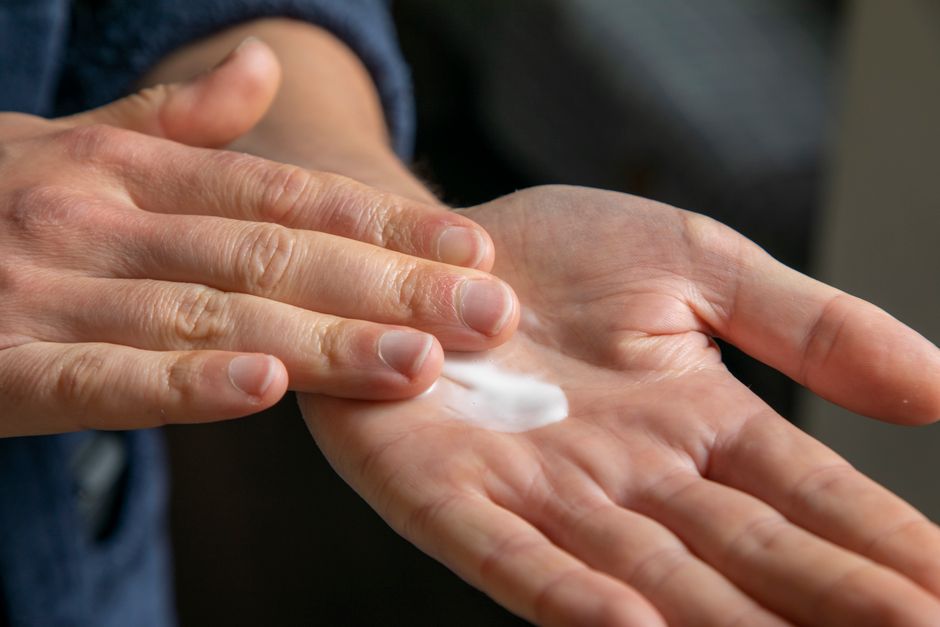
Clean hands and neat nails affect how polished you look, especially when you shake hands, handle a phone, or wear a watch. The good news is that men’s hand and nail care does not need a crowded bathroom shelf or a salon appointment.
How often should men trim nails and moisturize their hands?
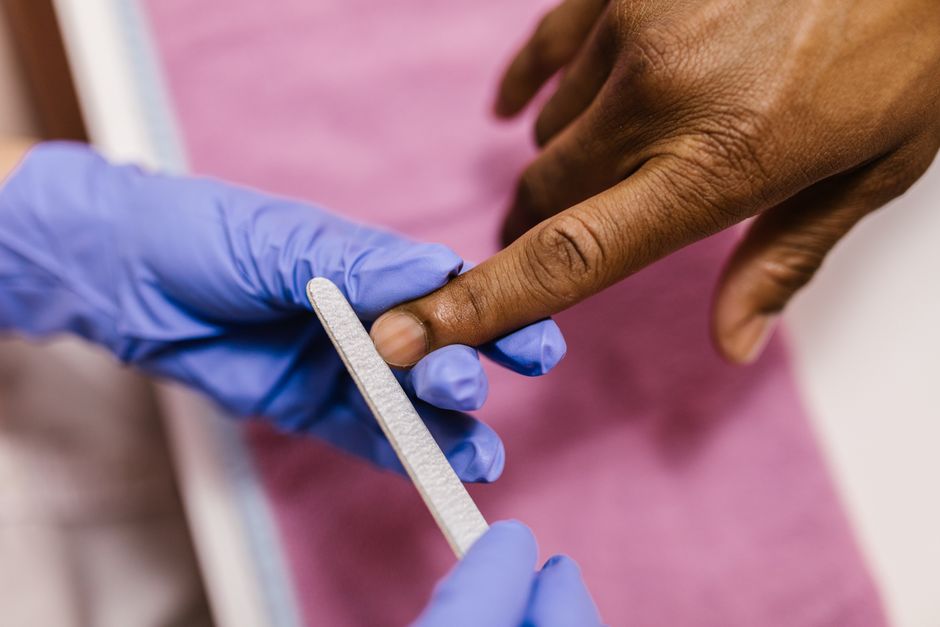
Once a week is the best default for most men. It is frequent enough to prevent long, dirty edges and infrequent enough to avoid over-trimming. Choose one fixed day, such as Sunday evening, and keep the tools in the same drawer. The routine should feel like checking your wallet before leaving the house: short, predictable, and hard to forget.
Why weekly beats random maintenance
Random trimming usually happens after a nail catches on clothing or breaks. That means you cut too much, file too aggressively, or ignore the other nails. Weekly care gives you a controlled length and lets you spot changes early. If your nails grow quickly, trim twice a week but make each session smaller. Do not wait until every nail becomes uncomfortable.
A simple seven-day schedule
- Daily: Rinse soap from the backs of your hands, dry between the fingers, and apply cream after a shower or hand wash if the skin feels tight.
- Wednesday: Check for snags, peeling corners, or cracked cuticles. File one rough edge instead of cutting the whole nail shorter.
- Sunday: Trim, file, apply cuticle oil, then use hand cream. The complete session should take 10 minutes.
- After manual work: Wash off grit, pat dry, and use cream. Gloves help more than adding a stronger product later.
There is no need to moisturize every hour. A thin application after washing is enough for many people, while dry hands may need a thicker layer before bed. Fragrance is not proof of performance. If a scented product stings or leaves the skin red, stop using it.
Verdict: weekly trimming plus brief daily moisture wins over a long grooming session once a month. Consistency fixes more than a premium label does.
Why do nails split and cuticles crack?
Splitting and cracking usually come from repeated wet-dry cycles, friction, and cutting errors. The nail plate absorbs water, expands slightly, then contracts as it dries. Repeating that cycle does not guarantee damage, but it makes brittle edges easier to catch. Cold weather, harsh cleaners, and alcohol-heavy products can make the surrounding skin feel worse.
Fix the cause before buying a stronger cream
Start with behavior. Wear nitrile or rubber gloves when washing dishes or using household cleaners. Do not pull hangnails; clip the loose piece with clean nippers. Dry your hands fully, including around the nail folds. Apply cream while the skin still has a little moisture. That traps water more effectively than rubbing cream onto completely dry, dusty skin.
Use the file in one direction
A rough sawing motion can create tiny tears at the nail edge. Hold a fine file at a slight angle and move from the outside corner toward the center. Use light pressure and stop when the snag disappears. A glass file works well because it leaves a smooth edge and can be washed with soap and water. Never share a file or clipper when there is a cut, infection, or blood.
Know when home care is the wrong answer
Home maintenance is not a cure for every nail problem. Persistent yellowing, thickening, severe pain, swelling, pus, a dark streak that does not grow out, or a nail separating from the skin deserves medical attention. Cutting deeper will not solve those problems. People with diabetes, poor circulation, or reduced sensation should ask a clinician about safe nail trimming because a small cut can become a serious wound.
The skeptical view is useful here: a hand cream cannot correct a fungal infection, and cuticle oil cannot repair damage caused by an aggressive solvent. Product claims often blur that line. Treat moisturizer as support for the skin barrier, not as medical treatment.
Bottom line: change the wet-dry and cutting habits first. Buy a stronger product only when the basic routine is already correct and the skin still needs more protection.
What is the correct 10-minute weekly nail-care sequence?
The order matters because each step prepares the next one. Trim before filing, apply oil before cream, and do the routine after a shower or after soaking your hands briefly in warm water. Do not soak for 20 minutes; swollen nails are easier to cut too short.
The step-by-step routine
- Wash for 20 seconds. Use warm water and soap, then dry the hands and tools. Clean tools reduce the chance of moving dirt into small cuts.
- Inspect before cutting. Check each nail for cracks, rough corners, discoloration, or tenderness. Skip a painful area rather than forcing the clipper through it.
- Trim straight across. Leave roughly 1 millimeter of white edge. Shorter is not automatically cleaner. Cutting into the side corners raises the chance of an ingrown nail.
- Round only the sharp corners. Use a fine glass file with light, one-direction strokes. Do not carve deep curves into the sides.
- Leave the cuticle attached. Push it back gently only if it is loose after washing. Cut loose hangnails close to the skin with sanitized nippers, but do not cut living skin.
- Apply one drop of oil per hand. Massage it into the nail plate and the skin around each nail for about 30 seconds.
- Seal with cream. Cover the backs of the hands, knuckles, thumbs, and finger joints. These spots take the most friction.
- Clean the tools. Wipe metal tools with 70% isopropyl alcohol and let them dry before storage. Do not put wet tools into a closed case.
Use smaller clippers for narrow nails and avoid trying to cut a thick nail in one forceful squeeze. Two controlled cuts create less pressure than one violent cut. If the clipper bends or crushes the edge, replace it; sharpening a cheap clipper usually costs more trouble than buying a new one.
The winning technique is boring and controlled. That is exactly why it works: fewer cuts, fewer snags, and less skin damage.
Men’s hand and nail care questions, answered
Should men cut their cuticles?
No. The cuticle helps seal the gap between the nail plate and surrounding skin. Cutting healthy cuticles can create small openings and make irritation more likely. Push back only loose skin after washing, and clip a hangnail instead of pulling it.
How short should men’s fingernails be?
Leave about 1 millimeter of white edge. That length looks tidy without exposing the sensitive skin under the nail. If you work with your hands, keep the corners smooth and avoid cutting into the side walls. Extremely short nails can hurt more than slightly longer ones when pressure reaches the fingertip.
Is hand cream enough for dry nails?
Hand cream helps the surrounding skin but may not reach every dry nail edge. Add one small drop of cuticle oil when the nail folds crack or feel tight. If the nail remains brittle for weeks despite gentle care, look for repeated chemical exposure or ask a clinician about the cause.
Can men use a manicure service?
Yes, but the service is optional. A basic manicure can clean rough edges, yet it should not involve painful cutting, aggressive buffing, or shared unclean tools. For most men, a weekly home routine delivers the same visible improvement at a lower cost.
What is the best low-cost routine?
Use any clean clipper that cuts without crushing, a $5 to $10 glass file, plain fragrance-free cream, and a small amount of oil or petroleum jelly around the nail folds. The total can stay under $25. Price does not replace technique.
| Goal | Best choice | Expected spend |
|---|---|---|
| Lowest-cost tidy hands | Basic clipper, glass file, plain cream | $15-$25 |
| Rough working hands | O’Keeffe’s Working Hands plus weekly filing | $20-$35 |
| Dry cuticles | CND SolarOil plus regular hand cream | $25-$40 |
| Premium tool upgrade | Seki Edge SS-106 with a basic cream | $30-$45 |