
Linen’s breathable, moisture-friendly fibres explain its cool summer feel and its habit of showing every fold. The goal is not to make linen look like polyester. A little texture is the point. The goal is to control the large wrinkles that make a shirt look slept in.
Why Linen Looks Creased—and What Actually Fixes It
My clear verdict: fit and moisture control matter more than ironing. A well-sized linen shirt with soft, even texture looks relaxed and intentional; a badly sized shirt gathers at the chest, underarms, and lower back, then turns those folds into deep creases. Start with the shape before reaching for a hot tool.
Linen wrinkles because its fibers relax
Linen comes from the flax plant, and its fibers are firm but less elastic than many cotton or synthetic fibers. When you sit, bend your arms, or carry a bag, the fabric folds. Heat, body moisture, and pressure help those folds stay in place. That is why a shirt can look smooth on a hanger and sharply creased after a 30-minute commute.
This is also why an aggressively pressed linen shirt can look strange. A perfectly flat front with deep wrinkles around the elbows does not read as polished; it reads as fabric fighting its natural behavior. Aim for a smooth collar, clean placket, tidy cuffs, and an even surface across the torso. Leave faint vertical texture alone.
Separate acceptable texture from poor care
Good linen texture looks fine-grained and spread across the whole shirt. Bad creasing creates hard horizontal lines at the waist, a crushed collar, twisted sleeves, or a ridge beside the buttons. Those marks usually come from three mistakes: washing the shirt in a crowded drum, drying it in a heap, or wearing a shirt that is too tight across the shoulders.
Use a simple test before leaving home. Hold the shirt by the shoulder seams and let it hang for ten seconds. If the lower front drops into broad folds, mist it and smooth it by hand. If the collar points curl or the button placket twists, use steam or a low-temperature iron. Do not chase every small ripple. Linen earns its visual character from controlled imperfection.
Set the right standard for a linen outfit
A linen shirt looks sharpest when the rest of the outfit supplies structure. Wear straight-leg trousers, clean leather sneakers, loafers, or an unstructured jacket with a firm shoulder line. Avoid pairing a deeply rumpled shirt with wrinkled shorts and soft, collapsed shoes unless you want a deliberately beachy look. One relaxed element feels modern; four relaxed elements can look unfinished.
For most men, the best daily target is this: no collar collapse, no hard chest creases, no twisted button line, and no wet-looking patches around the underarms. That standard takes less than five minutes to maintain.
How to Choose a Linen Shirt That Holds Its Shape
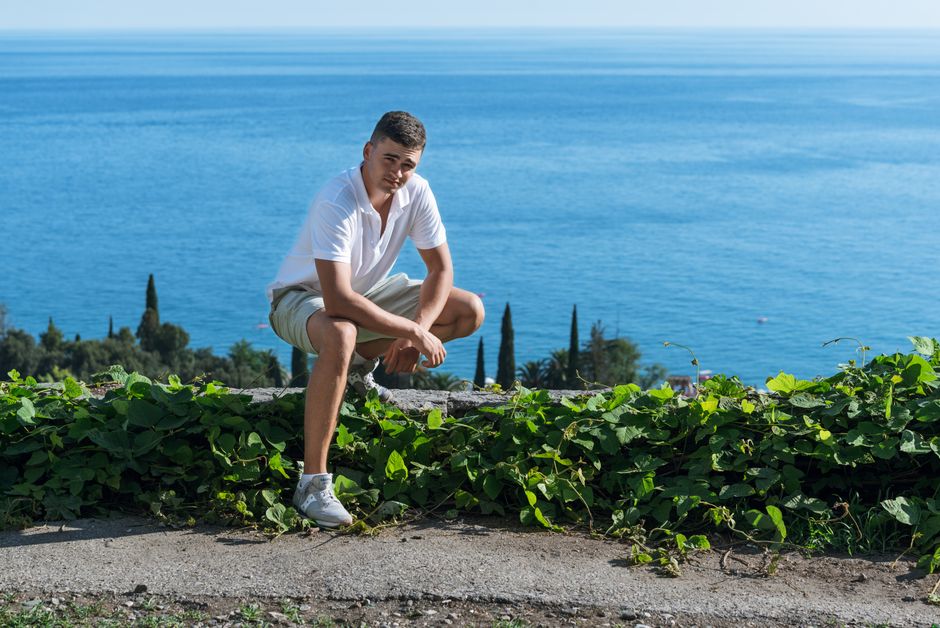
The best shirt for a crease-resistant outfit is not always the thinnest or most expensive one. Look for enough room through the chest to let the cloth fall, a collar that keeps its shape, and a hem that works untucked without ballooning. Use the table below as a buying filter rather than choosing by brand name alone.
| Shirt | Material and useful detail | Typical price | Best use |
|---|---|---|---|
| Uniqlo Premium Linen Shirt | 100% linen, button-front design, several seasonal colors | $39.90 | Best first linen shirt for casual outfits |
| J.Crew Baird McNutt Irish Linen Shirt | 100% linen, firmer woven feel, more structured collar | About $118 | Best for smart-casual dinners and office travel |
| Banana Republic Linen-Blend Shirt | Linen blend with a smoother hand and easier drape | About $90 | Best for men who dislike strong linen texture |
| Muji Linen Open Collar Shirt | Washed linen feel, relaxed open collar, casual cut | About $69.90 | Best for hot-weather weekend outfits |
Choose fit before fabric percentage
Measure a shirt that already fits well from armpit to armpit, across the shoulders, and from the back collar to the hem. Compare those measurements with the brand chart. For a traditional untucked fit, the hem should usually end around the middle of the fly, not below the seat. The shoulder seam should sit near the edge of your shoulder bone. If it falls far down your upper arm, the shirt will form diagonal folds that no steamer can fully fix.
For a clean silhouette, choose the J.Crew Baird McNutt Irish Linen Shirt when the higher price fits your budget; its firmer cloth and collar make it the strongest option for dinners and travel days. Choose the Uniqlo Premium Linen Shirt when you want a low-risk first purchase at $39.90. Its price makes it easier to buy two colors and rotate them while one shirt rests.
Pick color and weave with the crease problem in mind
White and pale blue show hard shadows, so they need better morning care. Oatmeal, olive, navy, and washed black hide small ripples more effectively. A linen blend usually looks smoother after sitting because the added fiber improves recovery, but it may feel warmer and less airy than pure linen. The Banana Republic Linen-Blend Shirt is the better choice for a long indoor day with air conditioning; the Muji Linen Open Collar Shirt wins for heat, movement, and relaxed weekends.
Do not buy a very thin, transparent shirt simply because it feels cool in the store. Thin cloth creases faster and can cling to damp skin. A medium-weight weave with a little body gives a cleaner fall and makes the shirt easier to wear after commuting.
How to Steam, Press, and Pack Linen Without Flattening It

Use a steamer for speed and an iron only for hard, visible lines. A steamer is the best daily tool because it relaxes the cloth while preserving some texture. An iron gives a sharper result, but too much heat can create a glossy patch, especially on dark linen or linen blends.
- Hang the shirt correctly. Use a wide hanger that supports the shoulders. Button the top button and one middle button so the placket stays straight. Pull the hem gently downward.
- Fill the steamer with clean water. Do not add fragrance, starch, or essential oils. Residue can mark pale fabric and clog the water system.
- Steam from collar to hem. Hold the fabric slightly taut with one hand and move the steam head downward with the other. Keep the head moving instead of parking it on one spot.
- Finish the high-visibility zones. Spend extra time on the collar, button placket, cuffs, and upper back. Leave the elbows and lower sleeves lightly textured if the rest of the shirt is smooth.
- Let it dry before wearing. Give the shirt five to ten minutes on the hanger. Putting it on while hot and damp immediately creates new body creases.
Pick a tool that matches your routine
The Steamery Cirrus 3 Iron Steamer costs about $180 and works well for someone who travels often or wants a compact two-in-one tool. It combines steaming with a pressing surface, so it can handle a stubborn collar better than a basic travel steamer. The Philips 3000 Series STH3000/20 is a better budget pick at roughly $50; its compact 1000-watt design suits quick morning touch-ups, although it has less power for a heavily crushed shirt.
For a larger wardrobe, the Rowenta Access Steam Care DR8150, often priced around $80, is the strongest practical choice of the three. Its larger water capacity and higher steam output make it faster when you need to prepare several shirts. My recommendation is simple: choose the Philips for one or two linen shirts, the Rowenta for a weekly wardrobe routine, and the Steamery when travel space and pressing flexibility matter more than price.
Avoid the mistakes that create permanent-looking creases
- Do not dry linen on a thin wire hanger. The shoulder points can leave bumps that show through jackets.
- Do not twist the shirt into a ball after washing. Press out excess water with a towel, shake the shirt, and hang it while the seams are straight.
- Do not use the hottest iron setting automatically. Check the care label and start on a medium setting with the shirt slightly damp.
- Do not iron over stains. Heat can set food, oil, and deodorant marks into the fibers.
- Do not pack linen at the bottom of a full suitcase. Fold it near the top, place tissue paper between large folds, and unpack it as soon as you arrive.
When you must pack a linen shirt, button it, fold the sleeves across the back, and fold the body once from the hem toward the collar. A single broad fold is easier to release than several narrow folds. For a business trip, pack the shirt last and use a garment folder if your suitcase has one.