
You are five days into growing a beard. Your cheeks look uneven, your neck itches after lunch, and you are standing over the sink wondering if washing it every day will make things worse. Then you search for beard oil, apply too much, and end up with a shiny face and a pillowcase that smells like cedar.
A beginner beard does not need a shelf full of products. It needs a repeatable schedule. Wash the skin often enough to control sweat, condition the hair without coating it, trim stray growth once a week, and keep the neckline deliberate. The routine below takes about five minutes on most mornings and fifteen minutes on one weekly grooming day.
How often should a beginner wash a beard?
Wash the skin, not just the hair
For most beginners, wash the beard area two or three times per week with a mild beard or facial cleanser. Rinse it with lukewarm water on the other days. Daily shampooing can leave short beard hair rough because facial skin produces less oil than the scalp. That does not mean dirt gets a free pass. Sweat, food, sunscreen, and skin flakes still collect close to the roots.
Use your fingertips to work cleanser through the skin beneath the beard. A quick pass over the outer hair is not enough. Spend about thirty seconds at the jaw, under the chin, and around the mouth, then rinse until the water runs clear. Pat dry with a clean towel instead of rubbing hard. Rough drying pulls at short hairs and can make the beard look more uneven.
Change the schedule when conditions change
Wash after heavy exercise, outdoor work, swimming, or a long day in hot weather. If your skin feels tight and flaky, reduce cleanser to twice weekly and rinse with water on other mornings. If the beard smells stale or feels greasy by evening, add one wash day before adding more scented products. The correct schedule is the one that leaves the skin comfortable and the hair clean, not squeaky.
What is a simple weekly beard care schedule?

The seven-day routine
| Day | Morning | Evening or weekly task |
|---|---|---|
| Monday | Rinse, dry, brush downward | Check itch, flakes, and stray hairs |
| Tuesday | Cleanse and condition beard area | Rinse thoroughly after exercise |
| Wednesday | Rinse, then apply a small amount of oil if dry | Inspect neckline in a mirror |
| Thursday | Rinse and comb after drying | Wash pillowcase if oil transfers |
| Friday | Cleanse after work or training | Leave the beard alone overnight |
| Saturday | Rinse and let hair dry fully | Complete the fifteen-minute trim |
| Sunday | Light rinse if needed | Clean and store tools |
This schedule is a starting point, not a rule carved into stone. The weekly trim matters because short hairs grow at different speeds. The wash days control buildup. The quiet days give the skin a break from repeated scrubbing and friction. You should not add a new step just because a bottle promises faster growth; grooming can make hair look neater, but it cannot change your genetics.
The five-minute daily check
Each morning, look at three things: skin comfort, hair direction, and visible buildup. If the skin is calm and the hair is clean, rinse and shape it. If the skin feels oily, wash that day. If it feels tight, skip cleanser and apply less product after the beard dries. This small check prevents the most common beginner mistake: following a fixed routine after the conditions have changed.
How do you stop itch during early beard growth?
Find the actual cause
Early beard itch often comes from sharp new hairs brushing the skin, trapped flakes, sweat, or dryness after harsh washing. It does not automatically mean the beard is dirty or that you need a strong treatment. Short hairs can feel especially prickly because their cut ends are stiff. The sensation often peaks during the first few weeks, then becomes easier as the hair gains length and bends away from the skin.
Start with a gentle wash and a full rinse. After drying, press a small amount of plain moisturizer into the skin beneath the beard. Do not scratch with fingernails. Scratching creates tiny breaks that make redness and stinging worse. A soft beard brush can move loose flakes, but pressing harder will not speed growth and may irritate the follicles.
Know when grooming is not enough
Stop experimenting if the itch comes with spreading redness, painful bumps, pus, thick scaling, or sharply defined bald patches. Those signs can point to irritation, follicle inflammation, or a skin condition that needs medical advice. New products can also cause contact irritation, especially heavily scented oils. Test one new product on a small area first and wait a full day before applying it across the beard.
The clear verdict: for normal early-growth itch, the best first move is less friction, a mild wash schedule, and better drying. Adding five new products at once makes the cause harder to identify.
How do you trim the neckline and cheek line?
Set the neckline first
- Wash or rinse the beard, then let it dry completely. Wet hair hangs longer and can make you remove more than planned.
- Find the natural point where your neck meets the underside of the jaw. Place two fingers above the Adam’s apple and imagine a shallow curve running from one side of the jaw to the other.
- Trim below that curve with a guard. Remove the lowest neck hairs first, then check both sides before taking more.
- Keep the line rounded. A sharp horizontal line across the throat looks unnatural and moves lower as the beard grows.
- Comb the beard down and remove only hairs that sit clearly below the chosen boundary.
Keep the cheek line believable
Follow the strongest natural line from the sideburn toward the mustache. Do not chase a perfectly straight diagonal if your growth pattern is naturally irregular. Remove isolated hairs above the main line, then stop. Over-cleaning the cheek line is the mistake that makes a new beard look thinner. A clear boundary with natural variation looks fuller than a low artificial line.
Use a shorter guard near the upper neck only if you want a fade. Otherwise, keep one length for the first month so you can judge growth. Trim no more than 1 to 2 millimeters during the weekly session. The purpose of an early trim is control, not dramatic reshaping. For a beginner, a slightly imperfect natural line is easier to repair than a missing section created by one ambitious pass.
When should you use beard oil?
Apply oil after washing and drying
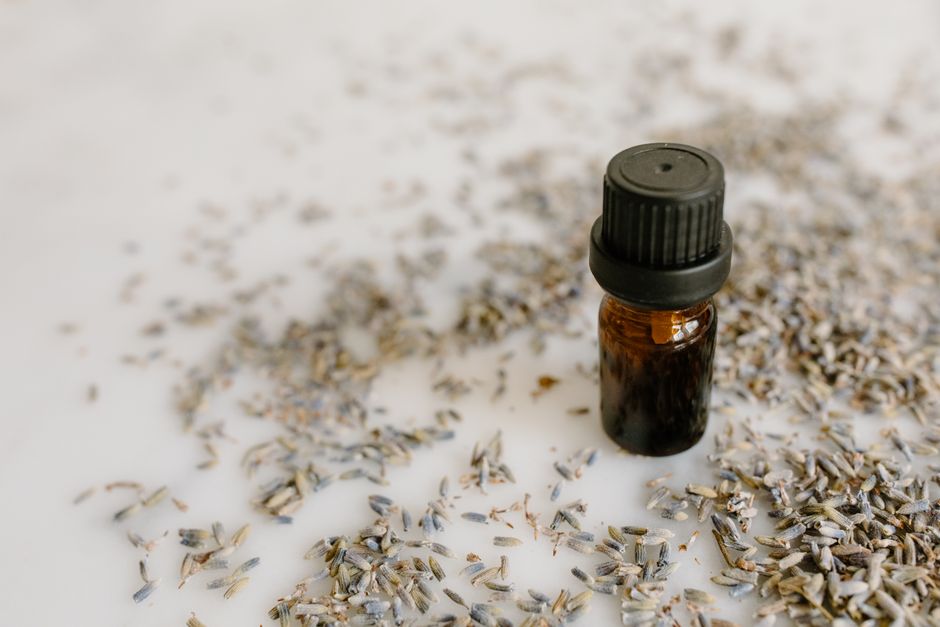
Beard oil works best after a wash or rinse, once the beard is towel-damp rather than wet. Start with one or two drops for short growth and three to five drops for a fuller beard. Rub the oil between your palms, press it into the skin under the beard, then smooth the remaining amount over the hair. If your face still looks shiny ten minutes later, you used too much.
The point of oil is comfort and surface softness. It can reduce the rough feel of short hair and limit the dry, tight sensation that leads to scratching. It does not create new follicles, fill a naturally sparse cheek, or replace washing. Cremo Beard & Scruff Cream, sold in a 3.5-ounce tube, is an alternative for people who dislike liquid oil and want a lighter styling feel. Pick one format, use a small amount, and judge the result after several days.
Know when to skip it
Skip oil on a greasy beard, after heavy sweating, or when it causes bumps and redness. Fragrance is the main reason many people reject a product after the first use, so unscented formulas are the safer choice for sensitive skin. Oil also transfers to pillowcases and shirt collars. Apply it at least thirty minutes before bed or use it only in the morning.
My verdict is simple: use oil when the skin feels dry or the hair feels rough, not because a label promises accelerated growth. A small dose applied to clean skin beats a large dose applied every day.
How should you clean and store beard tools?
Clean after every trim
Brush loose hair from the trimmer immediately after use. If the device is washable, follow its cleaning instructions and let the blade dry fully before storage. Wipe scissors and comb teeth with a clean cloth. Do not put damp tools into a closed toiletry bag; trapped moisture creates odor and can dull metal. Once a month, inspect the trimmer blade for tugging, rust, or uneven cutting. A blade that pulls hair is a reason to replace or service it, not press harder.
Use a dry, separate storage spot
Store the trimmer, scissors, and comb in a ventilated drawer or small open container away from the shower. Keep the blade guard on the trimmer and close scissors before putting them away. Do not share facial-hair tools without cleaning them first. Replace a comb if its teeth become sharp or cracked. Keep oils and creams upright, capped, and away from direct heat so the formula does not leak or change smell.
Return to the opening scenario: after five days of growth, you do not need a larger kit or a dramatic redesign. Rinse or wash on schedule, use one or two drops of oil only when the skin feels dry, trim the neckline on Saturday, and store the tools dry. That routine turns the itchy, uneven first week into a manageable grooming habit.